addiction

Addiction is defined as not having control over doing, taking or using something to the point where it could be harmful to you.

Addiction is most commonly associated with gambling, drugs, alcohol and smoking, but it’s possible to be addicted to just about anything, including work, the internet, shopping, solvents and sex.


Our addiction Blogs

Survey of teenage alcohol consumption: levels, patterns and influences

iStock_000002906685XSmall alcopop

The Joseph Rowntree Foundation have commissioned Ipsos MORI to conduct a survey which provides robust data on the levels and patterns of alcohol consumption and influences on drinking behaviour in 13-16 year olds.  The survey involved 5,700 teenagers from schools in England and data was statistically modelled using binary logistic regression to highlight the strongest influences [read the full story…]

Reducing alcohol related hospital admissions and improving quality of care (QIPP)

Spilled glass of red wine

The British Society of Gastroenterology and the Royal Bolton Hospital NHS Foundation Trust have published a quality and productivity (QIPP) case study, which looks at how to reduce alcohol related hospital admissions and improve the quality of care. Very few hospitals have dedicated alcohol services, and a 2009 survey showed that only 42% of acute [read the full story…]

Prescriptions for the treatment of alcohol dependency increase by 56% in 8 years

Comorbidities such as alcohol

The Health and Social Care Information Centre have published Statistics on Alcohol for England 2011.  The yearly report includes data on drinking behaviour among adults and children, knowledge and attitudes to alcohol, drinking-related costs, ill health and mortality. The widely reported headline from the data is that the number of alcohol-related hospital admissions in England [read the full story…]

Naltrexone no better than other treatments for relapse prevention in opioid addicts

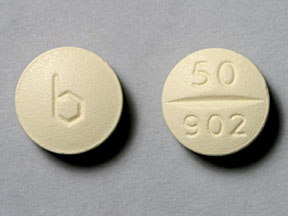
naltrexone

There’s an updated Cochrane review which evaluates the effects of naltrexone maintenance treatment versus placebo or other treatments in preventing relapse in opioid addicts after detoxification. The Cochrane reviewers concluded: Oral naltrexone as maintenance treatment to prevent relapse in opioid addicts who have undergone detoxification Opioid dependence is considered to be a lifelong, chronic relapsing [read the full story…]

Psychosocial and developmental alcohol misuse prevention in schools can be effective

cochrane logo

School prevention programs aimed at reducing alcohol misuse are good enough to consider widespread use, according to a new systematic review from the Cochrane Library. The review found 53 studies that explored a range of interventions.  Some studies concluded that the prevention program had no effect, but others showed more positive results.  The authors could [read the full story…]

Long term dependence on benzodiazepines is addressed by two new reports

prescription-drugs

A Department of Health press release published today highlights two new reports on addiction to prescription and over-the-counter drugs. People can become dependent on tranquilisers, sleeping pills and opiate based painkillers, such as codeine, particularly if taken at high doses for prolonged periods. Long-term dependence on substances such as benzodiazepines has been identified as a particular [read the full story…]

NICE launch interactive pathways on a range of mental health topics

nhs evidence eye

NICE guidance has sometimes suffered from poor accessibility and usability, and as a result, it has not always been implemented at the coalface as well as it could have been. NICE have responded to this criticism by creating a set of interactive online pathways that bring together all of their content around a specific topic. [read the full story…]

Children with ADHD are more likely to experiment with drugs and alcohol

teenage_drug_use

A new Californian meta-analysis shows that childhood ADHD increases the risk of smoking in adolescence and alcohol use in young adulthood. The review examined the association of childhood ADHD with substance use (nicotine, alcohol, marijuana) and abuse/dependence outcomes (nicotine, alcohol, marijuana, cocaine) by conducting a meta-analysis of longitudinal studies that prospectively followed children with and without [read the full story…]