Derek Richards

Profile photo of Derek Richards
Derek Richards is a specialist in dental public health, Director of the Centre for Evidence-Based Dentistry and Specialist Advisor to the Scottish Dental Clinical Effectiveness Programme (SDCEP) Development Team. A former editor of the Evidence-Based Dentistry Journal and chief blogger for the Dental Elf website until December 2023. Derek has been involved with a wide range of evidence-based initiatives both nationally and internationally since 1994. Derek retired from the NHS in 2019 remaining as a part-time senior lecturer at Dundee Dental School until the end of 2023.
Website

Follow me here –

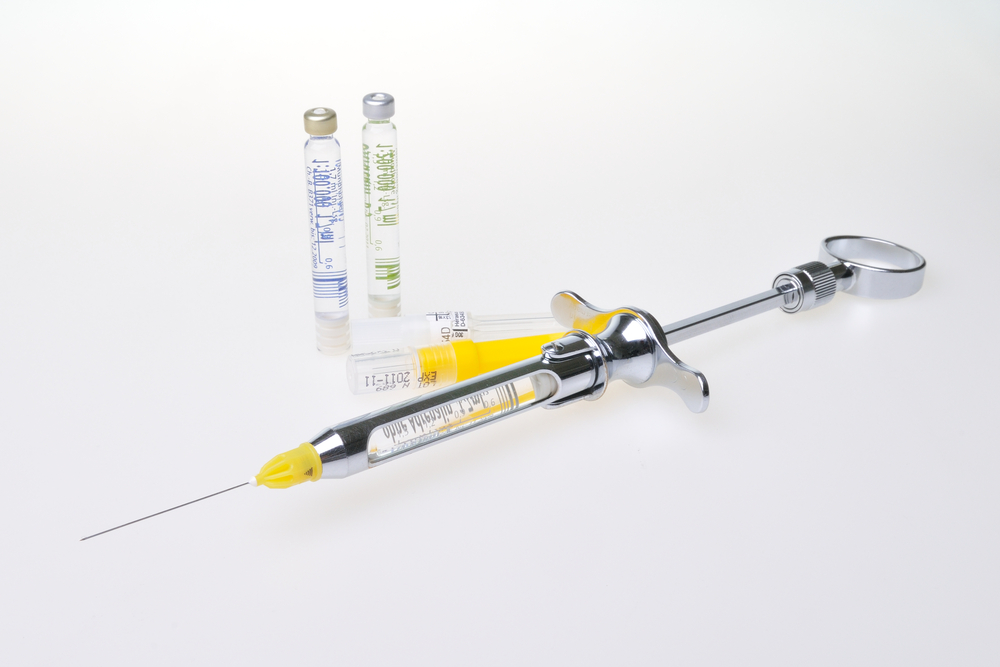
Evidence suggests that 4% articaine provides superior pulpal anaesthesia to 2% lidocaine

shutterstock_17571817- injection

The ability to provide pain- free dentistry is important  and the American Dental Association Center for Evidence-Based Dentistry (ADA-EBD)has just published this critical summary of  a 2011 systematic review by Brandt et al . The review compares the efffecacy  of  two local anaesthetics ( 4% articaine and 2% lidocaine)   in providing successful pulpal anaesthesia. The [read the full story…]

No difference between irrigating and non-irrigating drains in the management of severe odontogenic infection

shutterstock_36617959

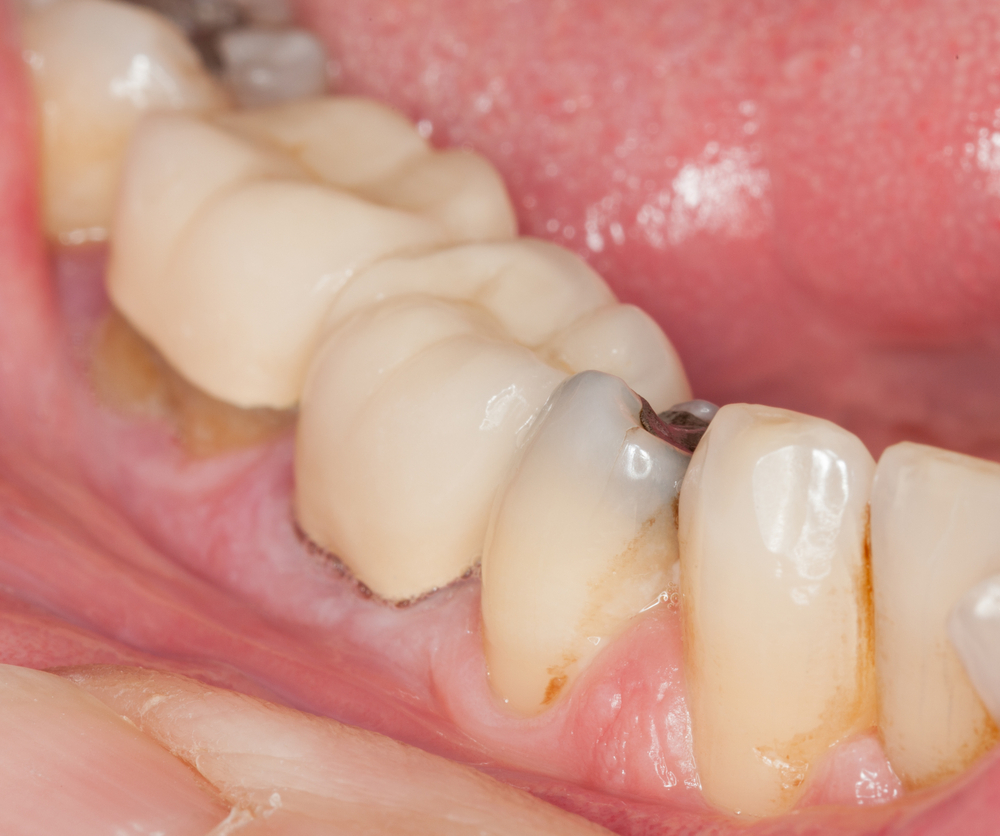
Dental infections all too frequently result in cellulitis or abscess formation. Treatment often requires incision and draining allow with extraction of the tooth. Simple non-irrigating gravity drains have been in use for more than a century while catheter type drains which allow the possibility of daily irrigation are increasingly popular.   The aim of this trial [read the full story…]

Poor evidence regarding whether to use resin-modified glass ionomer or calcium hydroxide cements in deep cavities

anatomy of teeth

This new critical summary from the ADA-Center for Evidence Based Dentistry looks at a 2010 review from Mickenautsch et al. The aim of that review was to compare the pulpal responses to resin-modified glass ionomer cement (RM-GIC) and calcium hydroxide when placed in deep cavities. The review only included six trials (one randomized and five [read the full story…]

Small study suggests that low-level laser therapy may have some benefit in treatment oral lichen planus

oral_lichen

Oral Lichen Planus (OLP) is a common chronic immunological disease the treatment of which remains a challenge for clinicians.  Two Cochrane reviews  have recently been published regarding the treatment of OLP (Chang et al 2012 and Thongorasom et al 2011 ). The quality of evidence for treatments for OLP is weak, but topical steroids are [read the full story…]

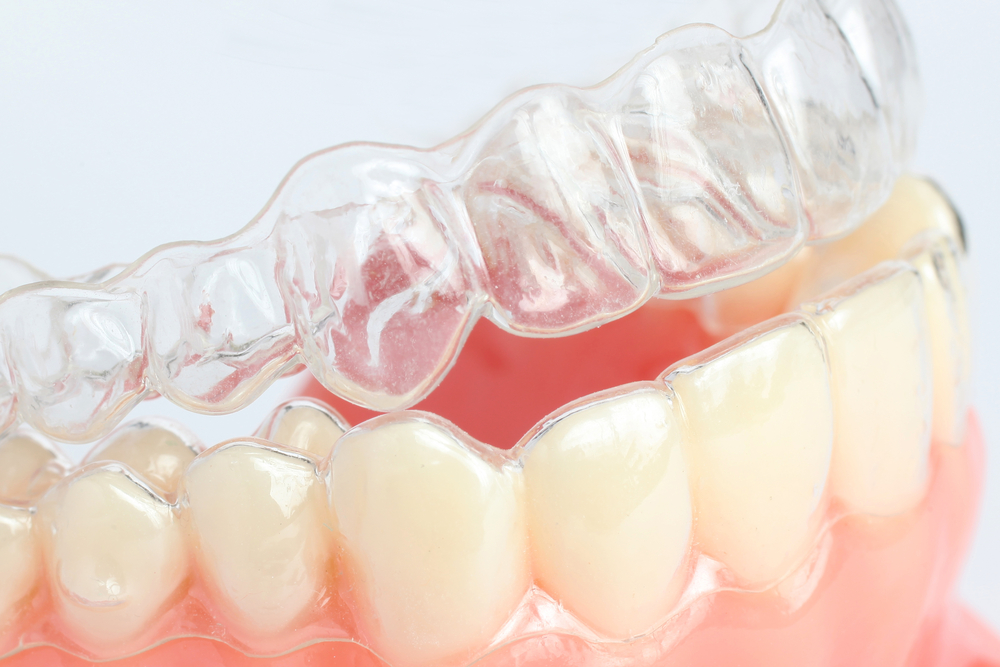
What motivates patients to seek orthognathic treatment?

shutterstock_75384373

Satisfaction with orthognathic treatment for dentofacial deformity is generally high. However, an important minority of patients are dissatisfied with the outcome, often despite technically good results.  The aims of this study were to qualitatively explore and analyse the full range of impacts of dentofacial deformity, and to understand patients’ motivations for seeking orthognathic treatment. The [read the full story…]

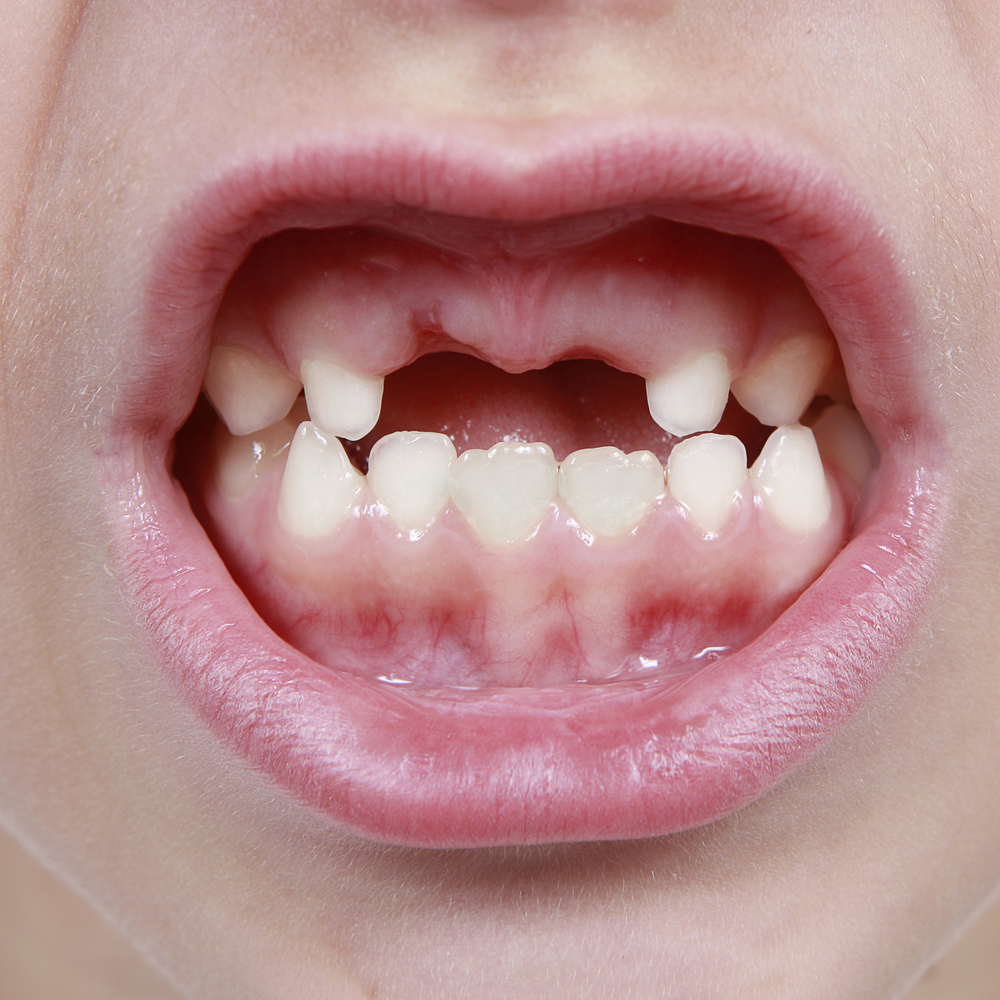
Daily use of chlorhexidine gel in addition to regular brushing with low fluoride toothpaste did not provide additional reductions in early childhood caries

shutterstock_1238303

Early childhood caries (ECC) remains a challenge for many communities. Chlorhexidine (CHX) is a common oral antiseptic with effective bactericidal activity against mutans streptococci (MS) and early colonisation of the oral cavity by MS has been identified as a risk factor for ECC. The aim of this study was to test whether the daily application [read the full story…]

Limited evidence supports some clinical benefit of alveolar ridge preservation procedures

shutterstock_42218782

Alveolar bone remodelling follows tooth extraction and traumatic extraction is associated with additional bone loss. Prior to extraction periodontal disease, periapical pathology and mechanical trauma can also lead to loss of bone. In order to maintain a good alveolar ridge a range for preservation procedures have been investigated. The aim of this review was to [read the full story…]

In pre-school children addition of casein phosphopeptide-amorphous calcium phosphate paste to regular brushing with fluoridated toothpaste did not have added decay prevention effect

shutterstock_93474835

Early childhood caries (ECC) remains a significant public health problem and evidence (Yengopal 2009) and  has suggested that casein phosphopeptide-amorphous calcium phosphate (CPP-ACP) may improve the effectiveness of fluoridated toothpaste. The aim of this study was to see if adding the daily application of a CPP-ACP-containing paste for 1 yr is superior to regular fluoride [read the full story…]

Study suggests there may be no difference between char-free and continuous-wave carbon dioxide lasers for oral mucosal biopsy

shutterstock_85773553

Animal studies have suggested that there is less thermal damage when excisional biopsies are performed using a carbon dioxide (CO2) laser in a char-free (CF) mode than in a continuous-wave (CW) mode. The aim of this study was to and compare the clinical and histopathologic characteristics of excisional biopsies performed with CW or CF CO2 [read the full story…]

Scant evidence available about epidemiology, aetiology and management of occlusal dysaesthesia

Depression

Occlusal dysaesthesia (phantom bite, occlusal neurosis, positive occlusal awareness and occlusal hyperawareness) has been defined as a persistent (more than 6 months) uncomfortable bite sensation, which does not relate to any physical alteration related to occlusion, pulp, periodontium, muscle or temporomandibular joint (TMJ) and causes significant functional impairment. Patients who complain  of occlusal dysaesthesia (OD) [read the full story…]