Derek Richards

Profile photo of Derek Richards
Derek Richards is a specialist in dental public health, Director of the Centre for Evidence-Based Dentistry and Specialist Advisor to the Scottish Dental Clinical Effectiveness Programme (SDCEP) Development Team. A former editor of the Evidence-Based Dentistry Journal and chief blogger for the Dental Elf website until December 2023. Derek has been involved with a wide range of evidence-based initiatives both nationally and internationally since 1994. Derek retired from the NHS in 2019 remaining as a part-time senior lecturer at Dundee Dental School until the end of 2023.
Website

Follow me here –

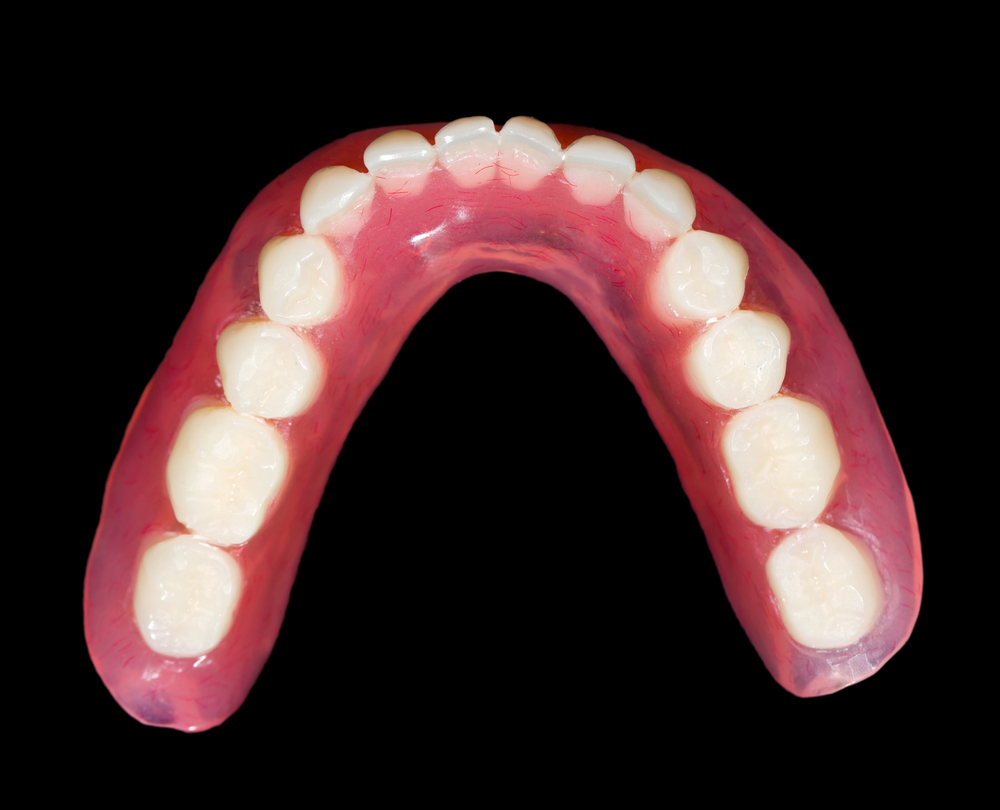
For patients with temporomandibular disorders stablisation splint did not provide additional pain relief over counselling and muscle exercises alone in short term

splint

The 2003 Cochrane review by Al-Ani et al found no evidence for or against the use of stablisation splints for the treatment of temporomandibular disorders (TMD). While a subsequent review by Fricton et al in 2010 found modest evidence for effectiveness of hard stabilization splints.  The implications from both reviews are that more robust randomised [read the full story…]

New Cochrane Protocol for August 2012

Logo of The Cochrane Collaboration

The August issue of the Cochrane library has one new protocol from the Oral Health Group.  Kozel JA, Macedo CR, Atallah ÁN. Laceback ligatures for controlling anchorage in patients undergoing fixed orthodontic treatment (Protocol). Cochrane Database of Systematic Reviews 2012, Issue 8. Art. No.: CD010014. DOI: 10.1002/14651858.CD010014.  The aims of this review are to determine [read the full story…]

Parental influences on early childhood caries

shutterstock_90529192

The broad aim of this review was to look at the literature that has assessed the role of parental influences in early childhood caries (ECC).  The authors had 4 questions they were hoping to address. What parental variables have been studied within the context of dental caries development in young children aged 0–6 years? What [read the full story…]

Intravenous bisphosphonates and osteonecrosis of the jaw

shutterstock_2418735

Bisphosphonates (BPs) are used for the treatment of a range of bone problems, e.g., osteoporosis, or bone metastases of malignant cancer. In 2003 the condition of bisphosphonate related osteonecrosis of the jaw (BONJ) was reported.  The aim of this retrospective cohort study was to estimate the cumulative incidence and risk ratio for ONJ (osteonecrosis of [read the full story…]

Review supports effectiveness of fluoride toothpastes in reducing caries in pre-school children

shutterstock_93474835

Despite improvements dental caries remains a significant oral health problem. In some areas increases in caries prevalence has been reported in pre-school children in contracts with other age group. The resultant pain, sepsis and the need for extraction have significant impact on quality of life.  Cochrane and other systematic reviews have shown that use of [read the full story…]

Evidence for the efficacy of clinical methods to assess dry mouth is sparse

shutterstock_44704711

Salivary is a complex substance than contains electrolytes, mucus, glycoproteins, enzymes, lysosomes and immunoglobulin. Its normal production is considered important for oral health.  The aim of this review was to evaluate the quality of the evidence for the efficacy of diagnostic methods used to identify oral dryness. The authors searched the PubMed, Cochrane Library and [read the full story…]

Limited evidence for changes of maxillary alveolar width after surgically assisted rapid maxillary expansion

shutterstock_71153206

Transverse discrepancies in the maxilla can be treated by rapid maxillary expansion (RME). This is ideally carried out during the pubertal growth spurt, usually before 15 years of age. In older patients surgically assisted rapid maxillary expansion (SARME) has been used.  The aim of this review was to assess the long-term dental and skeletal changes [read the full story…]

American Dental Association, advisory statement on use of computed tomography in dentistry

shutterstock_95774107

The use of cone-beam computed tomography (CBCT) has expanded the field of oral and maxillofacial radiology and with commercially available machines appearing in dental practices The American Dental Association (ADA) has just published an advisory statement in the Journal of the American Dental Association. The key element of the statement is captured in the practical [read the full story…]

Which bonding system for the placing of zircona ceramic resin-bonded fixed partial dentures?

shutterstock_97741598

The efficacy of modern adhesive dental materials relies to a great extent on the quality of the bonding systems. Questions have been raised about the efficacy of bonding agents when used with zircona. The aim of this trial was to compare two different bonding systems for the placing of zircona ceramic resin-bonded fixed partial dentures [read the full story…]

Study suggests better outcomes for later treatment of deep bite

iStock_000002259334XSmall braces on teeth

The aim of this trial was to assess the outcomes of early vs late treatment of deep bite patients by means of anterior biteplane appliances followed by fixed appliance therapy. Patients with a deep overbite (> 4.5mm) and fully erupted maxillary and mandibular incisors were allocated to either early or late treatment. Treatment for the [read the full story…]