Derek Richards

Profile photo of Derek Richards
Derek Richards is a specialist in dental public health, Director of the Centre for Evidence-Based Dentistry and Specialist Advisor to the Scottish Dental Clinical Effectiveness Programme (SDCEP) Development Team. A former editor of the Evidence-Based Dentistry Journal and chief blogger for the Dental Elf website until December 2023. Derek has been involved with a wide range of evidence-based initiatives both nationally and internationally since 1994. Derek retired from the NHS in 2019 remaining as a part-time senior lecturer at Dundee Dental School until the end of 2023.

Website

Follow me here –

Lack of quality evidence underlying the methods applied for diagnosis and treatment in endodontics

shutterstock_70416955-root canal treatment

The  Swedish Council on Health Technology Assessment (SBU) systematic review of the Methods of Diagnosis and Treatment in Endodontics is now available in English, the original report in Swedish being published in 2010.  The review aimed to address a number of specific questions:-  How well can different diagnostic methods determine the condition of the pulp [read the full story…]

Chewing ability and oral condition were the determinants of denture satisfaction best associated with oral health-related quality of life

shutterstock_17409700

The need to use patient reported outcome measures (PROMs) is increasingly recognised.  Patients satisfaction and oral health-related quality of life are two such measure . The main aim of this study was to evaluate  the level of association between patients’ denture satisfaction and oral health-related quality of life (OHRQoL) in edentate patients, and to identify [read the full story…]

Articaine had slightly better local anaesthesia success than lignocaine when used as buccal infiltration for posterior mandibular teeth in children

shutterstock_68251909

The aim of this study was to compare the efficacy of articaine 4% with 1:100 000 adrenaline and lignocaine 2% with 1:80 000 adrenaline, delivered either as an inferior alveolar nerve block (IANB) or buccal infiltration (BI) for routine restorative procedures in mandibular posterior teeth among children. What did they do Children in need of  [read the full story…]

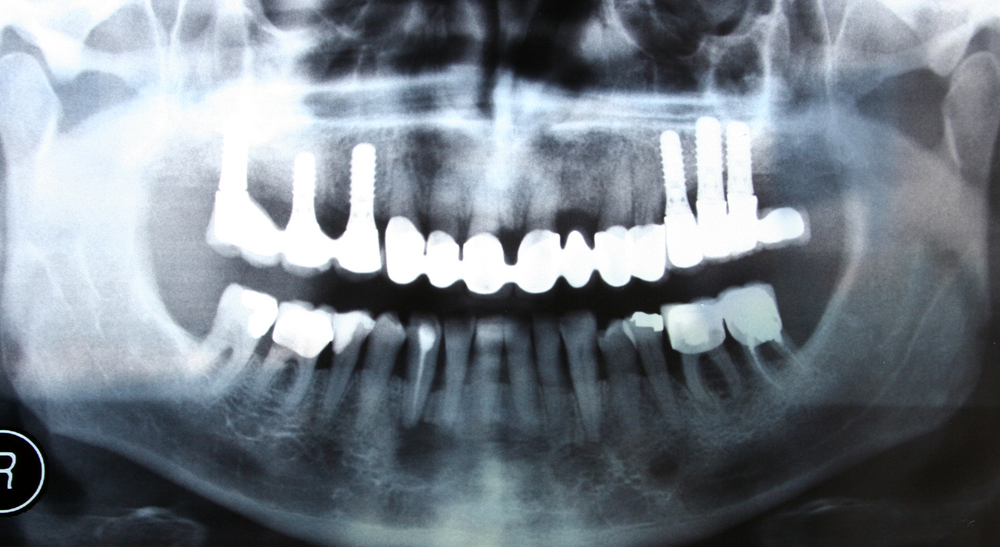
Evidence of small benefit in peri-implant bone loss seen in first 5 years with platform switching

Cross section of a dental implant

This critical summary from the American Dental Association – Evidence-based Center (ADA-EBD) looks at a 2010 systematic review from Atieh et al. The aim of the review was to assess whether platform switching  (the placement of a smaller diameter prosthetic component on a larger diameter implant fixture) improved survival rate and bone loss. The commentator [read the full story…]

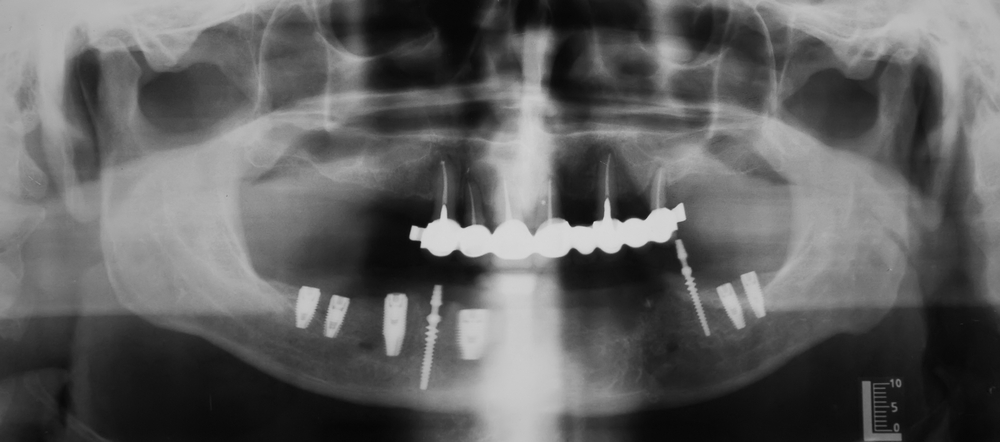
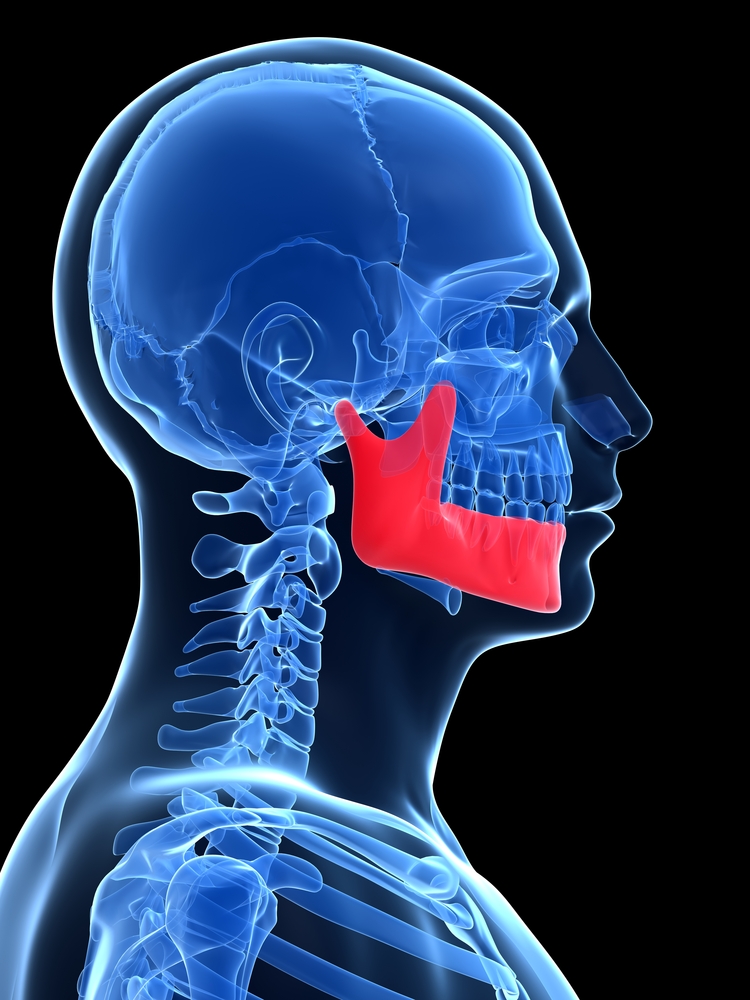
Some weak evidence that hyperbaric oxygen treatment may improve outcomes for bisphosphonate-related osteonecrosis of the jaw

shutterstock_11346505

Bisphosphonate-related osteonecrosis of the jaw (BONJ) is a recently recognised condition with reports  surfacing in  2003.  BONJ defined as exposed, necrotic bone in the maxilla or mandible that has persisted for more than eight weeks in patients taking bisphosphonates and where there has been no history of radiation therapy to the jaw.   It has been [read the full story…]

No well-designed studies of topical agents for treatment of HIV-related oral ulcers

shutterstock_62994325

Oral Ulcers occur more frequently, last longer and produce more painful symptoms in HIV-infected adults. Aphthous ulcers are generally classified as major, minor or herpetiform. Major ulcers can exceed 3cm in diameter and can develop into large necrotic lesions. Major ulcers are seen more commonly in HIV-infected than non-infected adults.  The aim of this Cochrane [read the full story…]

New Cochrane Protocols for July 2012

Logo of The Cochrane Collaboration

Protocols for two new systematic reviews from the Oral Health Group have been published on the Cochrane Library for July. Eberhard J, Sandmann T, Marinho VCC, Dommisch H, Jepsen S, Stiesch M, Geurtsen W. Chlorhexidine versus topical fluoride treatment for the prevention and management of dental caries in children and adolescents (Protocol). Cochrane Database of [read the full story…]

No strong evidence for any topical treatments for relieving the symptoms of dry mouth

shutterstock_82790428

The subjective sensation of dry mouth or xerostomia is a common symptom and estimates of the prevalence vary from 10-50%.  The Cochrane Collaboration published systematic  of topical treatments for reducing the effects of dry mouth in 2011(Furness et al). Recently the American Dental Association’s Evidence-based Dentistry Center have published a critical summary of this review [read the full story…]

Type of manual toothbrush and duration of brushing may influence the amount of plaque removed

shutterstock_49682539

In Europe the first mass produced bristle toothbrushes came into use in the 18th Century. Although hog bristle brushes were reported in China during the Tang Dynasty (619-907). Today nylon toothbrushes are in widespread use and manual brushes come in a wide range of brush head sizes with  multiple tufts often angled in different directions. [read the full story…]

Weak evidence shows small effect of sugar-free chewing gum on plaque

shutterstock_88805044

Chewing gum is a activity enjoyed my consumers (particularly teenagers) around the world and is a now multi-billion dollar industry. Historically gums were flavoured with sugar but increasingly sugar substitutes are used, the most common of these being the polyols, sorbitol and xylitol. Chewing stimulates salivary flow and using gum has been recommended when it [read the full story…]