

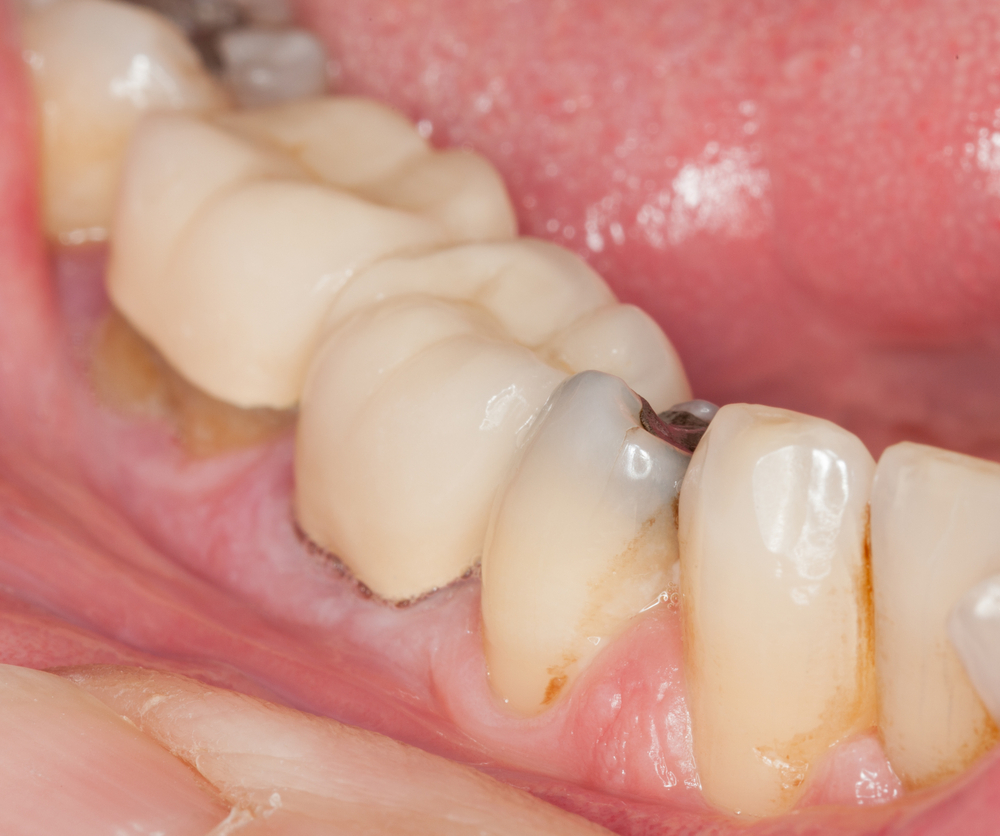

With an ageing population that is benefiting from improved oral care and retaining more teeth the potential risk from root caries grows. The aim of this review was to evaluate clinical studies investigating chemical agents to reduce initiation of root caries lesions (RCLs) or inactivate existing ones.
Methods
Searches were conducted in PubMed, Embase and Cochrane Central Register of Controlled Trials. Randomised and non-randomised, controlled, and prospective studies published in English were considered. Two reviewers independently selected, data was abstracted and risk of bias assessment was undertaken following Cochrane collaboration guidelines. GRADE was used to assess the evidence.
Results
- 30 trials (involving 10,126 patients) reported in 34 articles were included
- 29 were RCTs, 1 a controlled trial
- Rick of bias was low for 5 studies
- 28 chemical agents were tested (11 studies assessed dentifrices; 10 rinses; 8 varnishes; 3 fluoride solutions; 3 gels; 2 ozone applications; 1 preventive dental regimen)
- Meta-analyses revealed that dentifrices containing 5,000 ppm F– (RR = 0.49; 95% CI= 0.42, 0.57; high level of evidence) or 1.5% arginine plus 1,450 ppm F– (RR = 0.79; 95% CI = 0.64, 0.98; very low level) are more effective in inactivating RCLs than dentifrices containing 1,100 to 1,450 ppm F–
- Self-applied AmF/SnF2-containing dentifrice and rinse decreased the initiation of RCLs when compared with NaF products (standardized MD = 0.15; 95% CI = -0.22, 0.52; low level)
- Patients rinsing with a mouth rinse containing 225 to 900 ppm F– revealed a significantly reduced DMFRS/DFRS (MD = -0.18; 95% CI = -0.35, -0.01; low level) when compared with a placebo rinse
- Significantly reduced RCI was found for Chlorhexidine [CHX] (MD = -0.67; 95% CI = -1.01, -0.32; very low level) as well as SDF (MD = -0.33; 95% CI = -0.39, -0.28; very low level) when compared with placebo varnish
Conclusions
The authors concluded
Based on meta-analysis, dentifrice containing 5,000 ppm F- and professionally applied CHX or SDF (silver diamine fluoride) varnish may inactivate existing and/or reduce the initiation of RCLs. However, results should be interpreted with caution, due to the low numbers of clinical trials for each agent, the high risk of bias within studies, and the limiting grade of evidence.
Commentary
As the authors note that fact that such a wide range of agents have been tested for the management of RCLs suggests that there is as yet no gold standard treatment. While a number of meta-analysis have been carried out for this review all involve only a few studies. The variation in criteria to detect and or assess RCLs also possess challenges when attempting to combine the data as does the variation in follow up periods. Consequently the authors recommendation to interpret the results of this review with caution should be taken into account
Links
Wierichs RJ, Meyer-Lueckel H. Systematic Review on Noninvasive Treatment of Root Caries Lesions. J Dent Res. 2014 Nov 14. pii: 0022034514557330. [Epub ahead of print] Review. PubMed PMID: 25398366.
Dental Elf -17th Oct 2011 – Weak evidence for the effectiveness of chlorhexidine varnish on root caries




Paula King
10 years agoTina Gorman
10 years agoLaura Moss
10 years agoMarcos Santana
10 years agoChristine Park
10 years agoMoya Nelson
10 years agoMark Sutherland
10 years agoRoot caries: little evidence on best restorations
11 years agoMark Sutherland
11 years agoMoya Nelson
11 years agoMurphyJasmine99
11 years agoMarcos Santana
11 years agoChristine Park
11 years agoSEPAperiodoncia
11 years agomarcoslmsantana
11 years agoIdna Ireland
11 years agoTina Gorman
11 years agoLaura Moss
11 years agoPeriodoncia20
11 years agodentina9
11 years agoPaula King
11 years ago