Derek Richards

Profile photo of Derek Richards
Derek Richards is a specialist in dental public health, Director of the Centre for Evidence-Based Dentistry and Specialist Advisor to the Scottish Dental Clinical Effectiveness Programme (SDCEP) Development Team. A former editor of the Evidence-Based Dentistry Journal and chief blogger for the Dental Elf website until December 2023. Derek has been involved with a wide range of evidence-based initiatives both nationally and internationally since 1994. Derek retired from the NHS in 2019 remaining as a part-time senior lecturer at Dundee Dental School until the end of 2023.
Website

Follow me here –

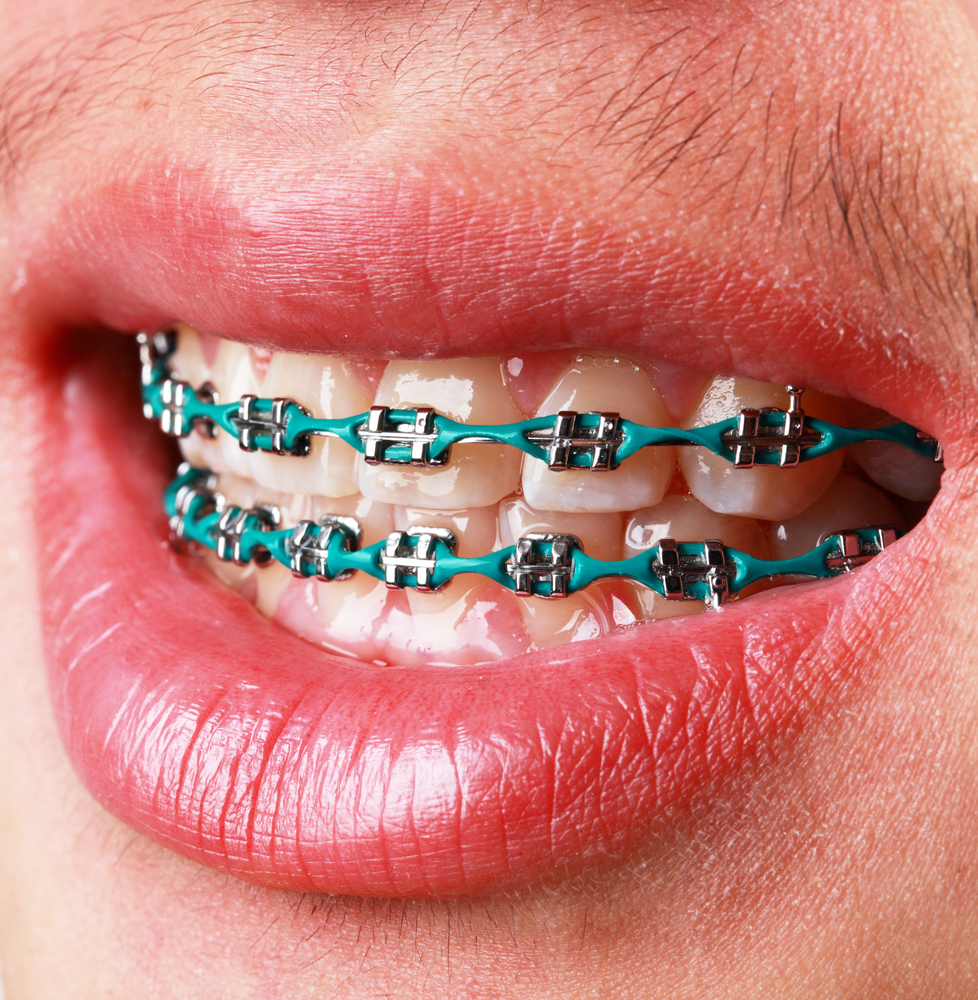
Probably a benefit in prescribing preoperative analgesics prior to orthodontic separator placement

Logo of The Cochrane Collaboration

Pain is not uncommon after dental procedures. This can be linked with an increase in fear of dental procedures and the possible avoidance of treatment. This is of particular importance in children and adolescents and the use of pre-operative analgesics had been suggested as a way of reducing peri-operative pain. The aim of this Cochrane [read the full story…]

No single systemic treatment was found to be effective for treatment of mouth ulcers

Logo of The Cochrane Collaboration

The prevalence of mouth ulcers (recurrent aphthous stomatitis , RAS) has been estimated at between 5 – 60%. They can be painful and slow to heal.  There are three recognized forms; minor, major and herpetiform.  The peak age at onset is between 10 and 19 years of age but they can persist through adulthood. The [read the full story…]

Insufficient reliable evidence showing the superiority of any one individual irrigant agent for use during root canal treatment

Logo of The Cochrane Collaboration

Earlier this week (11th Sept ) we reported on a trial that compared the use of two different irrigant solutions during root canal treatment (RoCT). Now a review that aims to assess the effects of irrigants used in the non-surgical of mature permanent teeth has been published on the Cochrane Library. The usual sound Cochrane [read the full story…]

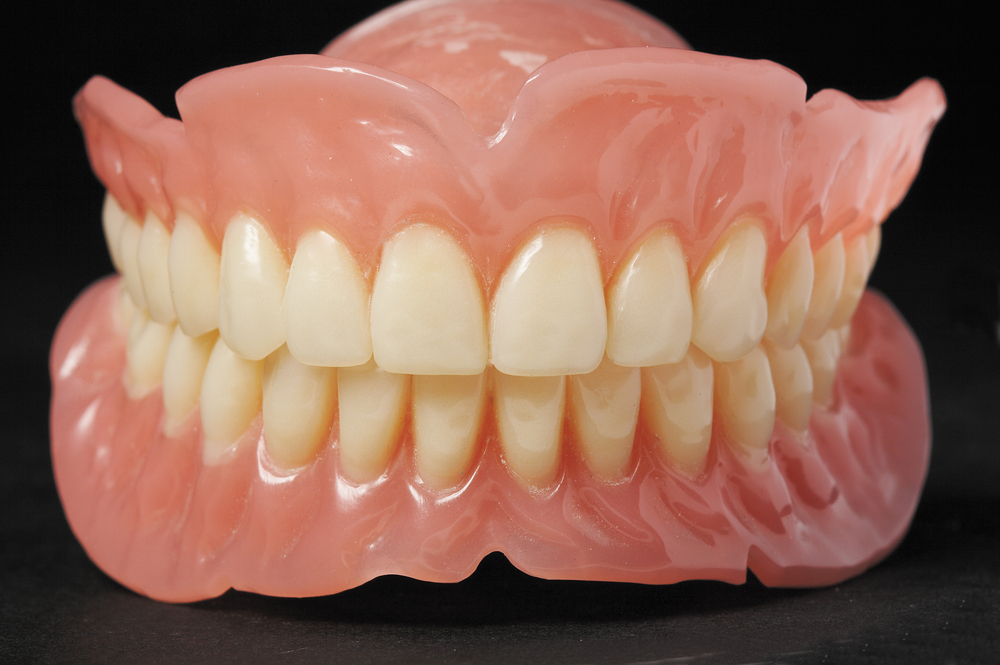
Double crown tooth abutments and dentures demonstrated a wide range of survival rates

shutterstock_52918195

Double crown reconstructions provide the possibility of restoring a dentition using a few remaining teeth located in unfavorable positions for other prosthetic approaches Although they require high precision from both the dental technician and clinician. The aim of this review was to systematically screen the literature for data related to the survival and complication rates [read the full story…]

Sodium hypochlorite and chlorhexidine used as root canal irrigants had similar low postoperative pain rates

shutterstock_2296216-root canal xray

Clean, shape and fill is a well-known mantra for root canal treatment (RoCT) and the use of irrigating solutions is an important element of the process. The aim of this study was to compare the degree of postoperative pain after single-visit RoCT when using two separate irrigation solutions. Patients with a diagnosis of chronic apical [read the full story…]

Weak evidence finds no support for ‘Ante’s Law’

shutterstock_85691464

This critical summary of a review published by Lulic et al in 2007  has just been published under the auspicies of the American Dental Association Center for Evidence-Based Dentistry. For 80 years Ante’ law has influenced standard textbooks of prosthodontics.  It stated:- the total periodontal membrane area of the abutment teeth must equal or exceed [read the full story…]

Increasing smoking cessation implementation in dental primary care

shutterstock_71105002

In addition to its well-known harmful effects on the lungs and heart Smoking tobacco has serious adverse effects on oral health. Dental health professionals have an excellent opportunity to help reduce smoking and tobacco use.  The aim of this study was to evaluate two interventions intended to increase the implementation of tobacco use prevention and [read the full story…]

Significant association between several risk factors and Inferior alveolar nerve problems after third molar extraction

shutterstock_37849495 -impacted wisdom teeth

The incidence reported in the literature ranges from 0.4-8.4%third molars and in some instances the damage can be permanent. The aim of this case-control study was to investigate the specific risk factors for neurosensory deficits of inferior alveolar nerve (IAN) after third molar extraction. The cases consisted of patients showing neurosensory deficits of the lower [read the full story…]

New review suggests that most dentine hypersensitivity treatments provide some benefit

shutterstock_44187316

Dentine hypersensitivity  – is a short sharp pain that arises from exposed dentine typically in response to thermal stimuli.  The aim of this review and network meta-analysis was to compare the effectiveness of different in-surgery treatments for dentine hypersensitivity. The databases Medline, Science Direct, ISI web of science, Ovid, and Cochrane Central Register of Controlled [read the full story…]

Perioperative corticosteroid use reduces the degree of trismus and inflammation after third molar removal

shutterstock_46327315

The surgical removal of third molars is a common procedure that results in varying degrees of inflammation, pain and limited mouth opening.  Non-steroidal anti-inflammatories, steroids and opiates are often prescribed to alleviate these problems.  This review aims to assess the impact of steroids on outcomes following third molars removal. Searches of the PubMed, Scopus, Med- [read the full story…]