

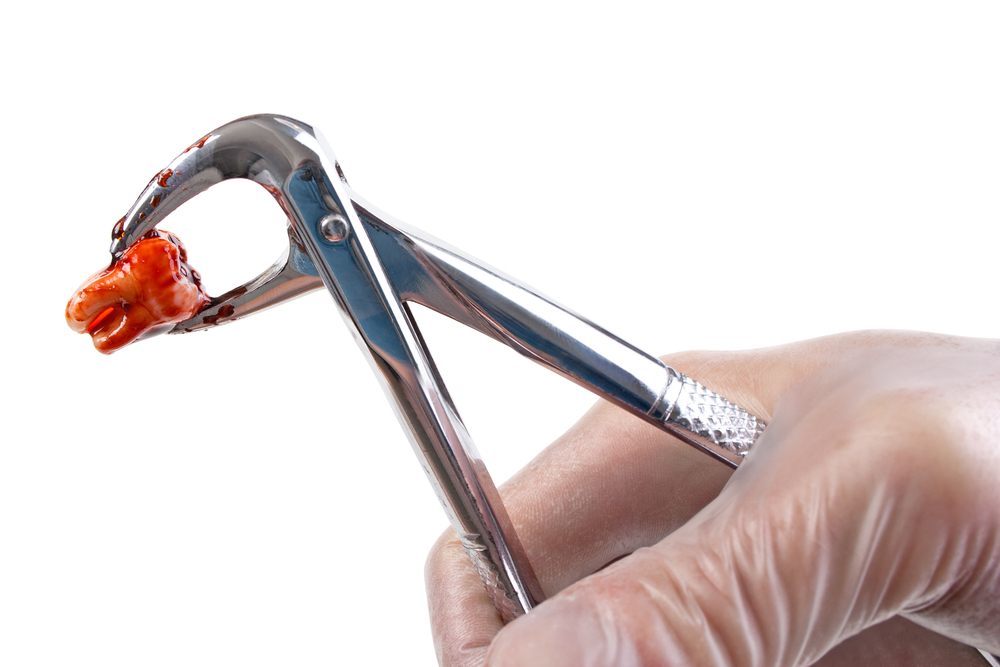

Aspirin inhibits platelet aggregation and is now widely used in patients with cardiovascular disease for prevention. There is debate over whether aspirin should be stopped prior to tooth extraction because of concern over excess bleeding. However, stoppage may lead to thromboembolic events. The aim of this review was to assess whether patients on long-term aspirin should stop aspirin prior to tooth extraction
Methods
Searches were conducted in the PubMed, Science Direct, and EBSCOhost databases. Randomised controlled trials (RCTs), or controlled clinical trials (CCTs) in English or Chinese were considered. Two reviewers independently carried out study selection and data abstraction. The main outcomes were rates of haemorrhage and bleeding time (BT). Standardized mean difference (SMD) or relative risk (RR) with 95% confidence interval (CI) was used to evaluate each outcome. The GRADE approach as used to assess the overall quality of the evidence.
Results
- 10 studies (3 RCTs and 7 CCTs) involving a total of 1752 patients were included.
- Aspirin dosages ranged from 75 mg/day to 325 mg/day.
- Length of suspension of long-term aspirin therapy ranged from 1 to 10 days before tooth extraction.
- 6 studies (1555 patients) considered haemorrhage; patients on aspirin therapy experienced a significantly elevated risk of haemorrhage RR = 2.46; (95% CI; 1.45-4.81).
- 5 studies (236 patients) considered BT with patients on aspirin therapy showing a no significant difference SMD = 0.64; (95% CI; -0.04-1.31).
Conclusions
The authors concluded: –
We cannot conclude that BT or the extent of haemorrhage in dental extraction are prolonged when patients are on long-term aspirin therapy. We recommend that long-term aspirin therapy not be stopped before tooth extraction and that the haemostasis method be enhanced (e.g., by haemostatic gauze, antifibrolytic agents, gelatin sponge), as needed.
Comments
The authors have graded the overall evidence for both outcomes moderate, although no individual study quality assessment is presented for the reader to consider. In their discussion the authors indicate that there was great variation in the quality of the individual studies and the interventions in the studies were diverse, with difference doses and stoppage periods and different measurement techniques.
The Scottish Dental Clinical Effectiveness Programme (SDCEP) is currently developing a guideline on, ‘Management of Patients who are taking Anticoagulants or Antiplatelet Drugs and require Dental Treatment,’ which has just completed its consultation period and is expected to be published in the summer.





Humberto Velásquez Mansilla
10 years agoTiago Marques
10 years agoFaye Lazo Fernandez
10 years agoChristine Park
10 years agoClaudio Fuentealba Arias
10 years agoAlonso Carrasco
10 years agoEvelyn Beiza
10 years agoAdriana Pozo
10 years agoLeaderdmd
11 years agoDominic_Hurst
11 years agoAdriana Pozo
11 years agoTheDentalElf
11 years agoClaudio Fuentealba Arias
11 years agoAlonso Carrasco
11 years agoEvelyn Beiza
11 years agoFaye Lazo Fernandez
11 years agoChristine Park
11 years agocartesvelasquez
11 years agoTiago Marques
11 years agoHumberto Velásquez Mansilla
11 years agoedelarriva
11 years agotherealtraceyP
11 years ago