
The Mental Elf

Insufficient evidence for sexual health promotion interventions in people with severe mental illness

People with serious mental illness (SMI) such as schizophrenia and bipolar disorder have higher morbidity and mortality rates due to physical illness. It’s estimated that people with SMI die 10-15 years earlier than the general population (DeHert et al, 2011).

Increasingly attention is being paid to ways to improve the physical health of people with SMI, for example looking at reducing smoking or increasing exercise. This new review (Kaltenthaler et al, 2014) was commissioned to examine a particularly sensitive and neglected physical health issue, namely sexual health.

People with SMI are more likely to engage in sexually risky behaviours and there is a higher HIV infection rate amongst people with SMI compared to the general population. However, the sexual health needs of people with SMI have tended to be ignored.

The team from Sheffield health research group ScHARR aimed to review the available evidence on the effectiveness of sexual health promotion in this population, to identify where further research is needed.

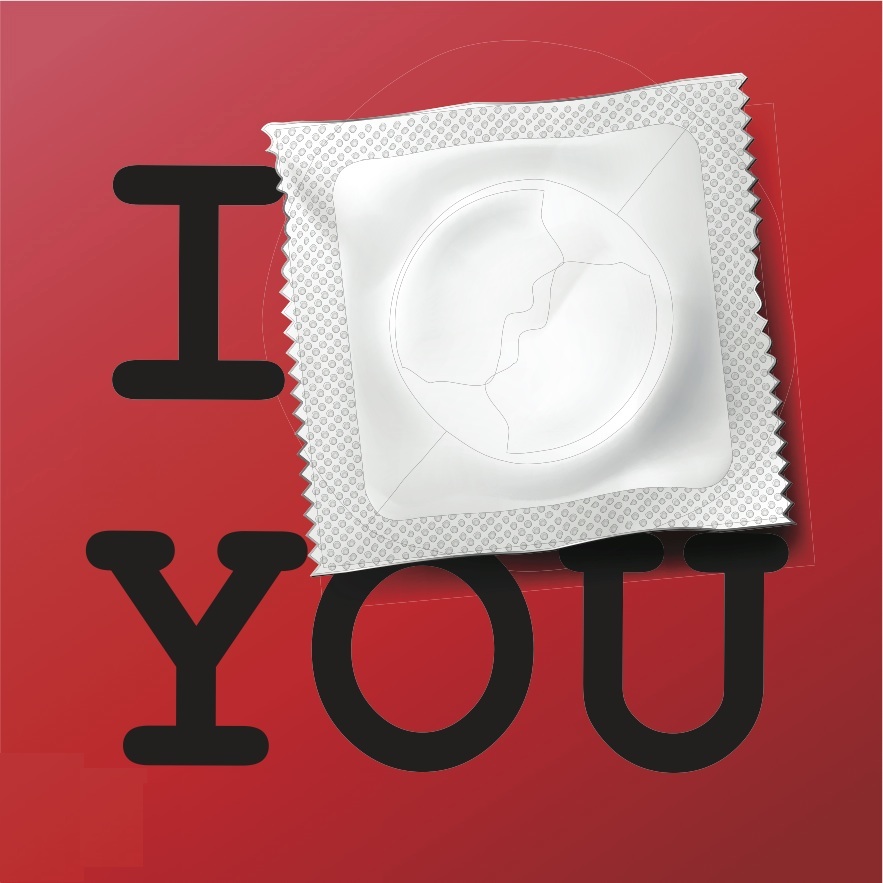
People with severe mental illness are more likely to engage in sexually risky behaviours

Methods

  • The authors systematically searched for any controlled trials (both randomised and non-randomised) of sexual health promotion interventions. They included all types of interventions – educational, behavioural, psychological and so on, delivered at any level (group, individual or community.)
  • They included studies looking at adults (over 18) with a diagnosis of schizophrenia or bipolar disorder. They excluded populations with dementia, personality or intellectual disability.
  • They conducted a narrative review as the differences in study design and type of outcomes measured meant they couldn’t pool the statistical outcomes to perform a meta-analysis.

Results

  • 13 randomised controlled trials were found to meet the inclusion criteria
  • The trials varied widely in terms of duration of the intervention, length of follow up and what type of comparator groups were used (for example whether the sexual health promotion intervention was compared to a waiting list or to educational sessions)
  • The participants included also varied widely, in terms of demographics (for example ethnicity, whether only males or females were included) and where they were recruited from, ranging across a substance abuse treatment programme, drop-in centres, outpatient clinics and homeless shelters.

There was similarly a mixed bag in terms of effectiveness:

  • 4 of the studies reported improvements across all outcomes
  • 4 reported improvements on some outcomes
  • 2 reported improvements for certain subgroups only (based on gender and ethnicity)
  • 2 reported no differences between the intervention and comparison groups
  • Only 2 of the studies were considered to have ‘very few’ methodological limitations

Notably, all of the trials were from the USA, so the authors note that it’s uncertain whether the findings generalise to the UK and beyond.

Little detail was provided in the studies regarding the content of interventions, how they were delivered and by whom, making replication or generalisability difficult
Little detail was provided in the studies regarding the content of interventions, how they
were delivered and by whom, making replication or generalisability difficult

Conclusions

The authors state:

There is insufficient evidence to fully support or reject the identified sexual health interventions for people with SMI.

The authors reported that there was a lack of detail about what happened in the interventions, which makes it hard to judge whether the intervention would be applicable in different settings. This has implications for assessing how feasible it would be to provide such interventions, for example whether they can be provided in routine care. The authors comment that:

There needs to be an assessment of whether or not sexual health interventions could be integrated into the current care provision provided for people with SMI on the NHS.

The authors recommend that robust and well-designed trials are now run here in the UK. The cost of delivering sexual promotion interventions and the acceptability of the intervention to patients also need to be researched.  Acceptability and feasibility are crucial questions for any complex intervention, and likely to be particularly important in this context given the sensitivity of the issue and the uncertainties around how best to improve physical health care for this group.

Limitations

  • The broad inclusion criteria, for example not differentiating based on type of intervention, make it difficult to compare across the studies.
  • Most of the studies included participants with a range of disorders. For example, several of the included studies included people with major depressive disorder, and the authors’ state it wasn’t possible to pull out the findings only for people with SMI.
    • The included studies tended to report self-reported outcomes which may be open to bias. None of the studies provided data on objective behavioural outcomes such as unintended pregnancy or uptake of screening.
    • The fact that people with SMI have higher risk of poor sexual health may be related to other vulnerabilities such as substance abuse, homelessness and childhood abuse which we know are also more prevalent amongst people with SMI and are linked to sexually risky behaviours. Addressing these complex combinations of risk is likely to be especially challenging, so future studies may need to specifically explore whether interventions are effective for these particularly vulnerable subgroups.

Future research needs to focus on specific populations and interventions, if it’s going to be applicable to real life clinical practice

Links

Kaltenthaler E, Pandor A, Wong R. The effectiveness of sexual health interventions for people with severe mental illness: a systematic review (PDF). Health Technol Assess 2014;18(1).

De Hert M, Correll CU, Bobes J, Cetkovich-Bakmas M, Cohen D, Asai I, Detraux J, Gautam S, Möller HJ, Ndetei DM, Newcomer JW, Uwakwe R, Leucht S. Physical illness in patients with severe mental disorders. I. Prevalence, impact of medications and disparities in health care. World Psychiatry. 2011 Feb;10(1):52-77.

Add a comment
  • suziemosson_org

    suziemosson_org

    12 years ago
    Insufficient evidence for sexual health promotion interventions in people with severe mental illness http://t.co/CuJnyr5N2H
  • SysnetCardiff

    SysnetCardiff

    12 years ago
    RT @dr_know: My latest blog @Mental_Elf on sexual health interventions for people with severe mental illness http://t.co/8DfK3QrkMe #smi #s…
  • 121Therapy

    121Therapy

    12 years ago
    RT @dr_know: My latest blog @Mental_Elf on sexual health interventions for people with severe mental illness http://t.co/8DfK3QrkMe #smi #s…
  • 121Therapy

    121Therapy

    12 years ago
    RT @Mental_Elf: All RCTs of sexual health intervention for SMI have been conducted in the US and may not generalise to UK http://t.co/QRqZX…
  • 121Therapy

    121Therapy

    12 years ago
    RT @Mental_Elf: People with severe mental illness have a higher rate of HIV infection that the rest of the population http://t.co/QRqZXjDeCI
  • 121Therapy

    121Therapy

    12 years ago
    RT @Mental_Elf: Don't miss: Insufficient evidence for sexual health promotion interventions in people with severe mental illness http://t.c…
  • TheSandlings

    TheSandlings

    12 years ago
    RT @Mental_Elf: People with severe mental illness are more likely to engage in sexually risky behaviours http://t.co/QRqZXjDeCI (1/2)
  • TheSandlings

    TheSandlings

    12 years ago
    RT @Mental_Elf: Don't miss: Insufficient evidence for sexual health promotion interventions in people with severe mental illness http://t.c…
  • BrisUniPsychSoc

    BrisUniPsychSoc

    12 years ago
    RT @Mental_Elf: People with severe mental illness have a higher rate of HIV infection that the rest of the population http://t.co/QRqZXjDeCI
  • stevescullion

    stevescullion

    12 years ago
    RT @Mental_Elf: Don't miss: Insufficient evidence for sexual health promotion interventions in people with severe mental illness http://t.c…
  • mcostaenf

    mcostaenf

    12 years ago
    RT @Mental_Elf: Don't miss: Insufficient evidence for sexual health promotion interventions in people with severe mental illness http://t.c…
  • Mental_Elf

    Mental_Elf

    12 years ago
    Don't miss: Insufficient evidence for sexual health promotion interventions in people with severe mental illness http://t.co/QRqZXjDeCI
  • Mental_Elf

    Mental_Elf

    12 years ago
    People with severe mental illness have a higher rate of HIV infection that the rest of the population http://t.co/QRqZXjDeCI
  • CollegeInMind

    CollegeInMind

    12 years ago
    RT @Mental_Elf: All RCTs of sexual health intervention for SMI have been conducted in the US and may not generalise to UK http://t.co/QRqZX…
  • kaycey55

    kaycey55

    12 years ago
    RT @Mental_Elf: All RCTs of sexual health intervention for SMI have been conducted in the US and may not generalise to UK http://t.co/QRqZX…
  • Mental_Elf

    Mental_Elf

    12 years ago
    All RCTs of sexual health intervention for SMI have been conducted in the US and may not generalise to UK http://t.co/QRqZXjDeCI
  • Ultimate_U

    Ultimate_U

    12 years ago
    RT @dr_know: My latest blog @Mental_Elf on sexual health interventions for people with severe mental illness http://t.co/8DfK3QrkMe #smi #s…
  • XLuu90

    XLuu90

    12 years ago
    RT @BwoodHighland: RT @Mental_Elf: HTA review of sexual health promotion interventions for people with severe mental illness http://t.co/DO…
  • nursewhitebeard

    nursewhitebeard

    12 years ago
    RT @BwoodHighland: RT @Mental_Elf: HTA review of sexual health promotion interventions for people with severe mental illness http://t.co/DO…
  • nursewhitebeard

    nursewhitebeard

    12 years ago
    RT @dr_know: My latest blog @Mental_Elf on sexual health interventions for people with severe mental illness http://t.co/8DfK3QrkMe #smi #s…
  • oopenspace

    oopenspace

    12 years ago
    RT @dr_know: My latest blog @Mental_Elf on sexual health interventions for people with severe mental illness http://t.co/8DfK3QrkMe #smi #s…
  • BwoodHighland

    BwoodHighland

    12 years ago
    RT @Mental_Elf: HTA review of sexual health promotion interventions for people with severe mental illness http://t.co/DOdyt99La9
  • Mental_Elf

    Mental_Elf

    12 years ago
    RT @dr_know: My latest blog @Mental_Elf on sexual health interventions for people with severe mental illness http://t.co/8DfK3QrkMe #smi #s…
  • care4freedom

    care4freedom

    12 years ago
    RT @Mental_Elf: HTA review of sexual health promotion interventions for people with severe mental illness @OfficialNIHR http://t.co/QRqZXjD…
  • care4freedom

    care4freedom

    12 years ago
    RT @Mental_Elf: Insufficient evidence for sexual health promotion interventions in people with severe mental illness http://t.co/OVCLiSCmxz
  • dr_know

    dr_know

    12 years ago
    My latest blog @Mental_Elf on sexual health interventions for people with severe mental illness http://t.co/8DfK3QrkMe #smi #sexualhealth
  • Mental_Elf

    Mental_Elf

    12 years ago
    @dr_know blogs about the effectiveness of sexual health interventions for people with severe mental illness http://t.co/QRqZXjDeCI
  • QLDMH

    QLDMH

    12 years ago
    RT @Mental_Elf: But, the sexual health needs of people with severe mental illness tend to be ignored http://t.co/hS3vZmDvvx (2/2)
  • MilSpouseCnslr

    MilSpouseCnslr

    12 years ago
    RT @Mental_Elf: Evidence for sexual health interventions for people with severe mental illness is methodologically poor http://t.co/QRqZXjD…
  • Mental_Elf

    Mental_Elf

    12 years ago
    Evidence for sexual health interventions for people with severe mental illness is methodologically poor http://t.co/QRqZXjDeCI
  • suzypuss

    suzypuss

    12 years ago
    RT @Mental_Elf: HTA review of sexual health promotion interventions for people with severe mental illness @OfficialNIHR http://t.co/QRqZXjD…
  • KCLifeCoach

    KCLifeCoach

    12 years ago
    RT @Mental_Elf: HTA review of sexual health promotion interventions for people with severe mental illness @OfficialNIHR http://t.co/QRqZXjD…
  • Mental_Elf

    Mental_Elf

    12 years ago
    HTA review of sexual health promotion interventions for people with severe mental illness @OfficialNIHR http://t.co/QRqZXjDeCI
  • Jorjo87

    Jorjo87

    12 years ago
    RT @Mental_Elf: People with severe mental illness are more likely to engage in sexually risky behaviours http://t.co/QRqZXjDeCI (1/2)
  • 121Therapy

    121Therapy

    12 years ago
    RT @Mental_Elf: But, the sexual health needs of people with severe mental illness tend to be ignored http://t.co/QRqZXjDeCI (2/2)
  • Mental_Elf

    Mental_Elf

    12 years ago
    @ScHARRTAG Interested in yr thoughts on our blog today: sexual health interventions for ppl w/ severe mental illness http://t.co/QRqZXjDeCI
  • hermitsholiday

    hermitsholiday

    12 years ago
    RT @Mental_Elf: But, the sexual health needs of people with severe mental illness tend to be ignored http://t.co/QRqZXjDeCI (2/2)
  • hermitsholiday

    hermitsholiday

    12 years ago
    RT @Mental_Elf: People with severe mental illness are more likely to engage in sexually risky behaviours http://t.co/QRqZXjDeCI (1/2)
  • lypftlib

    lypftlib

    12 years ago
    RT @Mental_Elf: But, the sexual health needs of people with severe mental illness tend to be ignored http://t.co/QRqZXjDeCI (2/2)
  • lypftlib

    lypftlib

    12 years ago
    RT @Mental_Elf: People with severe mental illness are more likely to engage in sexually risky behaviours http://t.co/QRqZXjDeCI (1/2)
  • 121Therapy

    121Therapy

    12 years ago
    RT @Mental_Elf: People with severe mental illness are more likely to engage in sexually risky behaviours http://t.co/QRqZXjDeCI (1/2)
  • Mireille_OK

    Mireille_OK

    12 years ago
    @Mental_Elf Have you ever once been warned about sexual side effects of SSRIs before receiving prescription? I haven't.
  • Mental_Elf

    Mental_Elf

    12 years ago
    But, the sexual health needs of people with severe mental illness tend to be ignored http://t.co/QRqZXjDeCI (2/2)
  • Mental_Elf

    Mental_Elf

    12 years ago
    People with severe mental illness are more likely to engage in sexually risky behaviours http://t.co/QRqZXjDeCI (1/2)
  • CaraClinton93

    CaraClinton93

    12 years ago
    RT @Mental_Elf: Insufficient evidence for sexual health promotion interventions in people with severe mental illness http://t.co/OVCLiSCmxz
  • aghoury79

    aghoury79

    12 years ago
    Mental Elf: Insufficient evidence for sexual health promotion interventions in people with severe mental illness http://t.co/5tVhN7w0F9
  • The Mental Elf

    The Mental Elf

    12 years ago
    The Mental Elf liked this on Facebook.
  • nesli_han8

    nesli_han8

    12 years ago
    RT @Mental_Elf: Insufficient evidence for sexual health promotion interventions in people with severe mental illness http://t.co/OVCLiSCmxz
  • WLLiaisonPsych

    WLLiaisonPsych

    12 years ago
    RT @Mental_Elf: Insufficient evidence for sexual health promotion interventions in people with severe mental illness http://t.co/OVCLiSCmxz
  • aghoury79

    aghoury79

    12 years ago
    Insufficient evidence for sexual health promotion interventions in people with severe mental illness: People w... http://t.co/CYln824Mh6
  • KobiFixers

    KobiFixers

    12 years ago
    RT @Mental_Elf: Insufficient evidence for sexual health promotion interventions in people with severe mental illness http://t.co/OVCLiSCmxz
  • paulamreid

    paulamreid

    12 years ago
    RT @Mental_Elf: Insufficient evidence for sexual health promotion interventions in people with severe mental illness http://t.co/OVCLiSCmxz
  • BPSFacCHP

    BPSFacCHP

    12 years ago
    RT @Mental_Elf: Insufficient evidence for sexual health promotion interventions in people with severe mental illness http://t.co/OVCLiSCmxz