later life

People aged 55 and over. The elderly men and women in the population. Old people who may be retired and suffering from chronic disease


Our later life Blogs

“Decision-makers need to think differently about how to commission long-term condition services” says study

shutterstock_123055360

The aim of this paper, written for commissioners, managers, and health decision-makers, was to look at how commissioning works for people with long-term conditions such as dementia. The authors carried out a multisite mixed methods case study research, involving three ‘commissioning communities’ and using interviews, documents, and meeting observations to reach their conclusions. A commissioning [read the full story…]

Limited evidence on the benefit of providing oral healthcare education to care home nurses on their attitude and their oral hygiene care skills

shutterstock_106616348

Oral care is an important element of care for older people in care homes as oral health is often poor and can deteriorate rapidly causing pain discomfort and impacting on nutrition and quality of life.  With growing numbers of older people this is an area of increasing demand. This aim of the review was to [read the full story…]

Moderators of outcome in late-life depression: should we be prescribing antidepressants to older people?

shutterstock_95774764

Meta-analyses are an incredibly useful tool for synthesising evidence. However, such analyses typically use aggregate data, meaning the average scores or outcomes for treatment groups, which can cause problems if we’re trying to dig a little deeper into the question of ‘what works’ to answer ‘what works, and for whom?’ The ‘for whom?’ question is [read the full story…]

More evidence needed on additional interventions to reduce mortality in older people with depression

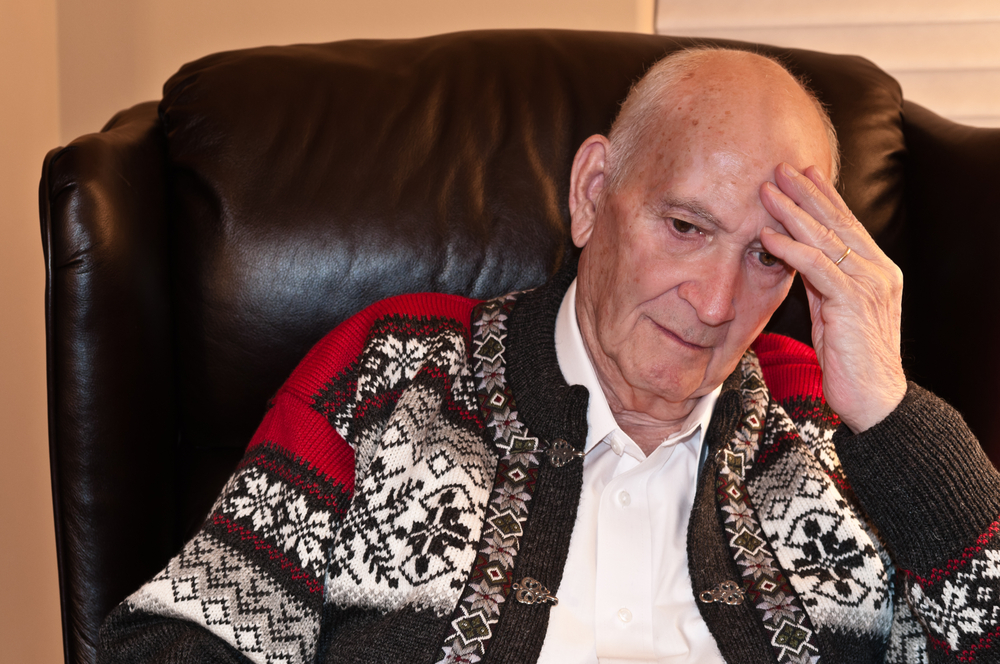
Older man

It has consistently been shown that a link exists between older adults who have depression and mortality (Cuijpers & Smit, 2002, Schulz et al., 2002). RCTs have demonstrated that treating depression during later life in primary care settings can result in the remission of depression and its associated symptoms as well as improve quality of [read the full story…]

Little attention paid to menopausal transition experiences or wellbeing of women with learning disabilities

Middle-aged woman

In the mid 1990s, a questionnaire study carried out by Carr and Hollins in Wandsworth suggested that menopause may occur earlier in women with learning disabilities and that for women with Down syndrome, it may occur earlier still. These findings were strengthened by work a couple of years later in a U.S. study by Schupf [read the full story…]

Helping patients and carers deal with a diagnosis of dementia: one size doesn’t fit all

Senior couple taking medication

Early diagnosis and intervention for people with dementia is increasingly considered a priority.  But there are still considerable barriers to achieving this, and nervousness from practitioners on the possible negative effect of earlier diagnosis of a condition widely perceived as untreatable and life-changing. A recent systematic review by Bunn et al analysed the qualitative evidence [read the full story…]

The number, location and distribution of 
the teeth affect chewing ability in older adults

shutterstock_73696819

Tooth loss tends to increase with age as a result of caries and periodontal disease.  In 1992 the World Health Organisation indicated that the treatment goal for oral health should be the maintenance of a functional, aesthetic dentition of at least 20 teeth.   The aim of this review was to assess the relationship dentition status [read the full story…]

Effective support from health and social services could improve carer well-being, study suggests

Pile of stones balanced

This paper is particularly pertinent to commissioners of both health and social care, as it addresses the needs of informal carers of people suffering from long-term neurological conditions (LTNCs), such as Parkinson’s disease (PD), Motor Neuron Disease (MND), and Multiple Sclerosis (MS). Implications of long-term neurological conditions LTNCs get progressively worse, with sufferers becoming more and [read the full story…]

Moderate intensity exercise programmes do not improve depressive symptoms in elderly care home residents: results from the OPERA trial

Elderly patients exercising

Depression is a common problem in older adults with some data suggesting significant symptoms are present in over 40% of nursing home residents (Teresi, 2001). Clearly physical exercise has a number of benefits particularly with regards to cardiovascular health. Some of you may remember the Mental Elf blog back in September 2012 with positive results from [read the full story…]

New mental health commissioning guides from JCPMH

Some doctors are reluctant to talk to patients about reducing their use of prescription drugs, even if they know there is no longer a medical reason for continued use.

Those lovely people at the Joint Commissioning Panel for Mental Health (JCP-MH) have published four new guides to help those of you involved in commissioning community specialist services, older people’s services, inpatient and crisis home treatment and services for people with learning disabilities. These guides are short (around 20 pages), readable and nicely summarised with ten [read the full story…]