dementia

shutterstock_189857270

Introduction

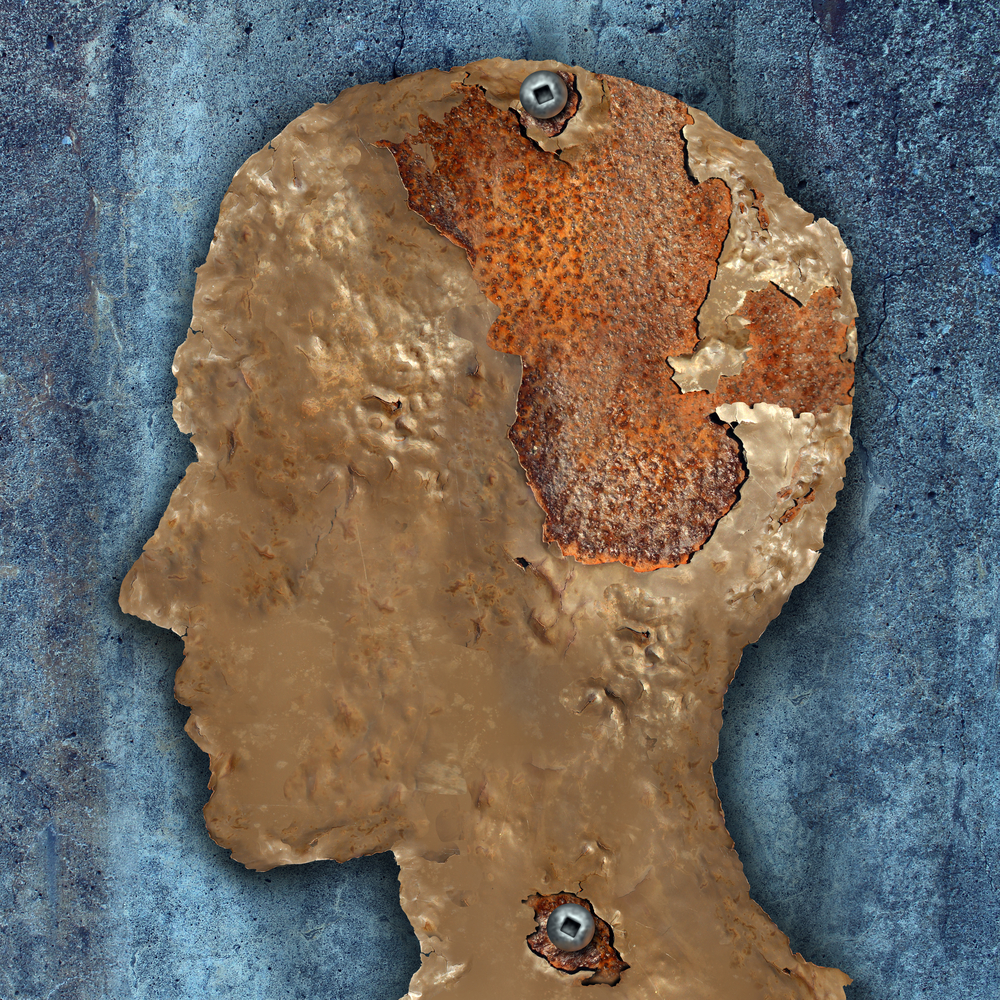
Dementia is a syndrome resulting from brain disease, characterised by a global cognitive decline, which may include disturbances of thinking, memory, comprehension and orientation.

Symptoms can vary, depending on the cause, but memory difficulties are often the first problem to be noticed. There is sometimes a change in personality with alterations in behaviour, termed ‘BPSD’ (behavioural and psychological symptoms of dementia).

There are several types of dementia. We could talk about each in much greater detail, but in summary the most prevalent types are:

  • Alzheimer’s disease (most common form of dementia)
  • Lewy body dementia
  • Vascular dementia
  • Frontotemporal dementia
  • Rarer causes e.g. HIV, vitamin B12 deficiency, etc

What we already know

Screening and diagnosis of dementia has much improved over the last few years, with many areas of the country having a specific ‘memory clinic’ service, although controversy remains about which instrument to use to diagnose dementia.

The management of dementia includes both pharmacological treatment and non-pharmacological considerations (e.g. ensuring the environment is appropriate, providing activity and stimulation and addressing communication needs).

The use of acetylcholinesterase inhibitors has become much more widespread over recent years and, although it is no wonder drug or cure, for some people with Alzheimer’s, it can slow the progression of the disease. NICE guidelines recommend the use of Donepezil, Galantamine or Rivastigmine for mild-moderate Alzheimer’s disease. Mematine is recommended as an option for those with moderate Alzheimer’s disease who cannot tolerate acetylcholinesterase inhibitors, or for those with severe Alzheimer’s disease.

Areas of uncertainty

What actually causes dementia? We know lots of factors and even some genetic changes that are associated with dementia but we know little about the actual direct causes of dementia.

There is also uncertainty about the reason that some people progress from Mild Cognitive Impairment (memory impairment that does not meet diagnostic threshold of dementia) to dementia and how to predict who this will happen to.

What’s in the pipeline

Media reports often hint at a progression towards finding a cure for dementia. In practice we may not be that close, but there are several areas that researchers are working on:

  • Gene therapy
  • A vaccine for dementia
  • The use of stem cells to develop replacement cells lost in dementia

References

Giebel, C. M., Sutcliffe, C., Stolt, M., Karlsson, S., Renom-Guiteras, A., Soto, M., … Challis, D. (2014). Deterioration of basic activities of daily living and their impact on quality of life across different cognitive stages of dementia: a European study. International Psychogeriatrics / IPA, 26(8), 1283–93. doi:10.1017/S1041610214000775 [Abstract]

NICE guidelines CG42 (2015) “Dementia: Supporting people with dementia and their carers in health and social care” [PDF]

Semple, D. and Smyth, R. (eds.) (2013) Oxford Handbook of Psychiatry. 3rd ed. Oxford: Oxford University Press. [Publisher]

Acknowledgement

Written by: Josephine Neale
Reviewed by:
Last updated: Sep 2015
Review due: Sep 2016
Our dementia Blogs

Intensive cognitive training may help to prevent cognitive decline

Brain exercising with weights

Cognitive decline describes increasing problems with memory, comprehension, language and mental agility. Mild cognitive impairment means that a person has cognitive decline beyond that which might be expected for their age, but generally do not experience problems with everyday living (Alzheimer’s Society, 2012). Dementia has similar symptoms, but these are more severe and people with [read the full story…]

Inappropriate use of antipsychotics to treat behavioural and psychological symptoms of dementia is likely to be more prevalent in care homes and low-income households

Older man

Antipsychotics were discovered as an effective treatment for schizophrenia in the 1950s, but their use was expanded despite lack of supporting evidence, to treat other patient groups.  This included treating aggression, agitation and other behavioural and psychological symptoms of dementia (BPSD). There is evidence that these distressing symptoms can often be prevented or managed without [read the full story…]

The cardiovascular safety of dementia medications: a cross national study

Dice with broken heart

Two of the most widely available medicines for dementia in the UK are cholinesterase inhibitors and a N-methyl-D-aspartate (NMDA) receptor antagonists (NHS, 2013).  Both drugs are popular because they have been found to lead to improvements in dementia symptoms (Raina 2008). However, some have raised concerns about the safety for patients. These concerns are partly [read the full story…]

Short-term recovery from mild cognitive impairment is possible, but an increased risk of further cognitive decline remains

Dementia

The symptoms of mild cognitive impairment (MCI) include problems with cognitive functioning such as day-to-day memory. In some individuals it is the first sign of dementia, whereas in others it may be due to resolvable factors such as being the side-effect of medication (Alzheimer’s Society, 2012). At present it is unclear how many people with [read the full story…]

Depression and bipolar disorder linked to an increased risk of developing dementia, says systematic review

Dementia

Dementia and affective disorders (such as depression and bipolar disorder) are usually considered to be completely unrelated afflictions. Yet a number of recent studies have suggested that the risk of developing dementia in later life may be increased for those who have had an affective disorder. A number of systematic reviews have been undertaken to [read the full story…]

NICE publish dementia commissioning guide: practical advice for commissioners

Senior couple

NICE have published a new guide to help commissioners provide evidence-based care for people with dementia. Providing care for our ageing population seems not to have been out of the news in recent years and rightly so, especially as the headline stories are frequently not positive. A recent Care Quality Commission report found that people [read the full story…]

New RCT says antidepressants should not be used when treating depression in dementia

Senior woman taking pill

Dementia is one of the most common and serious disorders in later life. It places a considerable burden on the health care system, individuals and especially unpaid carers. Depression is common among people with dementia and causes additional distress to affected individuals and their social circle. Research into the treatment of depression in dementia is [read the full story…]

Non-drug treatments delivered by family carers can improve neuropsychiatric symptoms in people with dementia

This quali

About three-quarters of people with dementia are affected by neuropsychiatric symptoms (NPS). This is a broad group of symptoms including depression, sleep problems, apathy, psychosis and aggression. Of course, many people with dementia still live at home and are cared for by their spouse or other primary carer. These neuropsychiatric symptoms can have a major impact [read the full story…]

Cerebrolysin is a promising treatment for vascular dementia, but more research is needed, according to new Cochrane review

Pig

Vascular dementia is the second most common type of dementia after Alzheimer’s disease. It’s caused by damage to the network of blood vessels supplying the brain. Some symptoms are similar to those associated with Alzheimer’s and stroke, but in particular people with vascular dementia often experience difficulty thinking quickly, concentrating and communicating, as well as [read the full story…]

The links between passive smoking and dementia: findings from a new cross-sectional study

shutterstock_73224697

Over 1 billion people on Earth smoke tobacco. WHO figures tell us that 80% of the smoking population live in low-middle income countries, most of which are not protected by any kind of smoke-free public health legislation. China is a particular black-spot in this regard. It has the largest tobacco smoking population in the world [read the full story…]