Derek Richards

Profile photo of Derek Richards
Derek Richards is a specialist in dental public health, Director of the Centre for Evidence-Based Dentistry and Specialist Advisor to the Scottish Dental Clinical Effectiveness Programme (SDCEP) Development Team. A former editor of the Evidence-Based Dentistry Journal and chief blogger for the Dental Elf website until December 2023. Derek has been involved with a wide range of evidence-based initiatives both nationally and internationally since 1994. Derek retired from the NHS in 2019 remaining as a part-time senior lecturer at Dundee Dental School until the end of 2023.
Website

Follow me here –

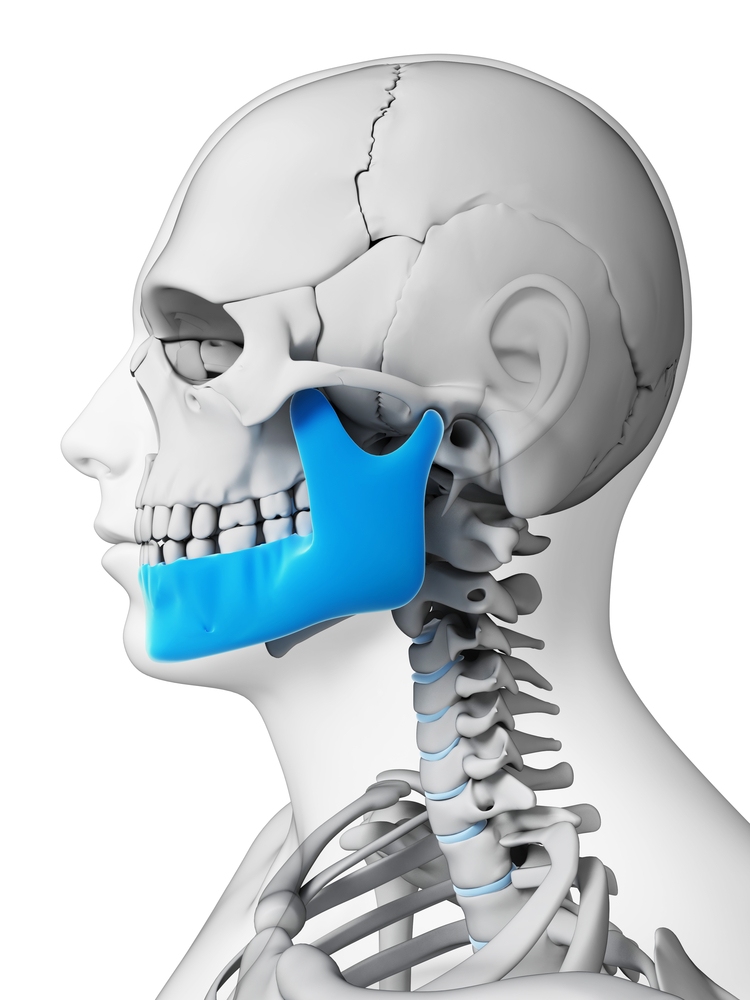
No evidence to support the effectiveness of low-level laser therapy for treatment of temporomandibular disorders

shutterstock_7431811

The aim of this review was  to  assess the scientific evidence on the efficacy of low-level laser therapy (LLLT) in the treatment of temporomandibular disorders (TMD). The authors searched  the  PubMed, Science Direct, Cochrane Clinical Trials Register, and PEDro databases.  Papers were screened, extracted, and quality assessed  independently by two  reviewers. A meta-analysis- was performed [read the full story…]

More long-term studies needed to assess success of implant treatment provided immediately after tooth extraction

shutterstock_43147957-dental implants

The main aim  of this systematic review was  to quantitatively estimate the survival and success rates of immediate implants and the implant-supported prosthesis, the prevalence of biological, technical and aesthetic complications, and the magnitude of soft and hard tissue changes following implant placement in fresh extraction sockets. The MEDLINE (PubMed) and the Cochrane library databases [read the full story…]

Bisphosphonate osteonecrosis (BON)

shutterstock_5410882 dentist x-ray

The American Dental Association Center for Evidence-Based Dentistry has  just completed a critical review of a  paper by Migliorati et al published in 2012 which aimed to examine the prevalence of bisphosphonate osteonecrosis (BON) in the cancer population, prevention and treatment protocols, and quality of life issues. This is a growing area of interest but, [read the full story…]

Trial suggests no difference at 3 years in failure rates between implants that were loaded immediately or early

Cross section of a dental implant

The traditional approach to placing dental implants was to submerge them and keep them load-free for 3–8 months to minimize the risk of implant failures.  During the healing phase temporary prosthesis are often used and patients can find these uncomfortable. Consequently shorter healing periods without jeopardizing implant success would be beneficial.   Nowadays immediate and early [read the full story…]

Custom-made mouthguards had no detrimental effect on athletic strength and performance

shutterstock_69850990- vacuum splint

The use of mouthguards are important for the prevention of dental and maxillofacial injuries when participating in contact support. Mouthguards buffer the impacts or blows that might otherwise cause moderate to severe dental and maxillofacial injuries. Mouthguards were recommended by the American Dental Association in 1950. However, while they have been shown to reduce injury [read the full story…]

Implant overdentures do not have a more positive effect on the nutritional state of elderly at 12 months

shutterstock_13679275

As teeth are lost masticatory efficiency declines and this may have a negative impact on diet which may be of particular relevance in older people.  The aim of this trial  was to assess the effects of mandibular  implant overdentures (IODs) on the nutritional status of an edentate elderly population. Participants were randomized to  receive  either  [read the full story…]

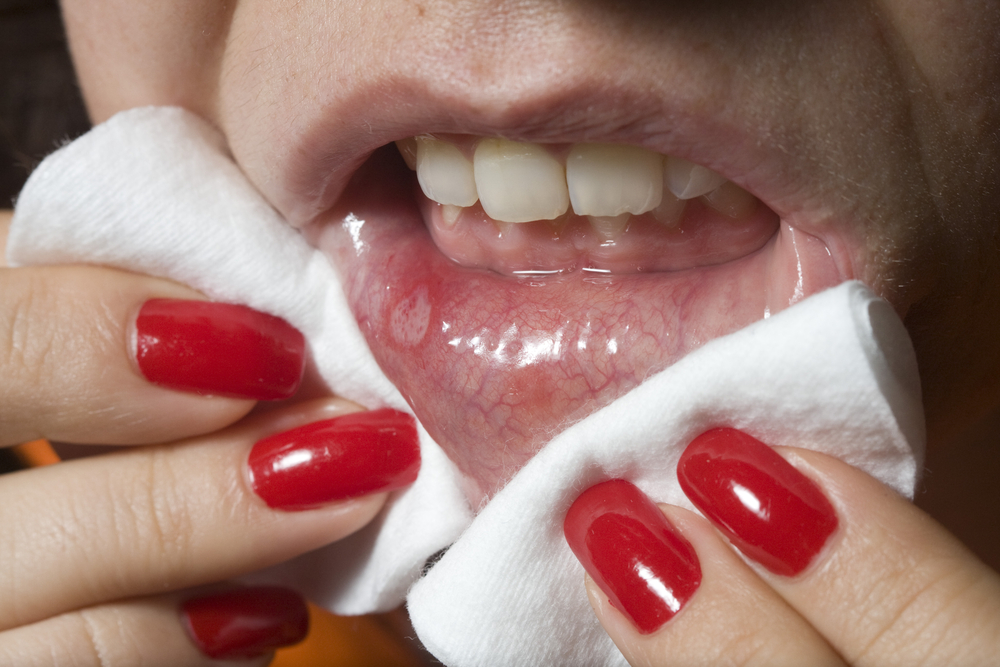
Stress associated with onset of recurrent mouth ulcers

shutterstock_73929085 dental pain bearded man

Recurrent aphthous stomatitis (RAS) is a common and painful oral disease. It is characterised by recurring mucosal ulceration in an otherwise healthy individual.  Its prevalence is commonly estimated to be between 5% and 25%  with a peak age of onset between 10 and 19 years although they may continue throughout the patient’s life span.  An [read the full story…]

Cost-effectiveness of molar endodontic retreatment compared with fixed partial dentures and single-tooth implant alternatives

shutterstock_18525676- root canal instruments

This study by Kim et al from March 2011  has had a summary prepared by the  Centre for Reviews and Dissemination (CRD)  at the University of York. The CRD summary of the paper states:- This study examined the cost-effectiveness of strategies for the management of a tooth after failed root canal treatment, including non-surgical or [read the full story…]

No evidence to recommend or discourage any type of orthodontic treatment to correct Class II division 2 malocclusion in children

shutterstock_59108206- orthodontic headgear

One of important differences about Cochrane reviews is their commitment of their authors to regularly review and update the content of their reviews.  This is an update of a Cochrane review published in 2006.  The aim of the review being to establish whether orthodontic treatment, carried out without the removal of permanent teeth, in children [read the full story…]

No reliable evidence to suggest which is the most effective treatment for peri-implantitis

Logo of The Cochrane Collaboration

With the increasing numbers of dental implants being placed there is growing interest in the  problem of peri-implantitis,  as studieshave  shown that it could occur it around 16% of those placed.  Various approaches to treatment have been used and this latest update of a Cochrane review aimed  to identify the most effective interventions for treating [read the full story…]