

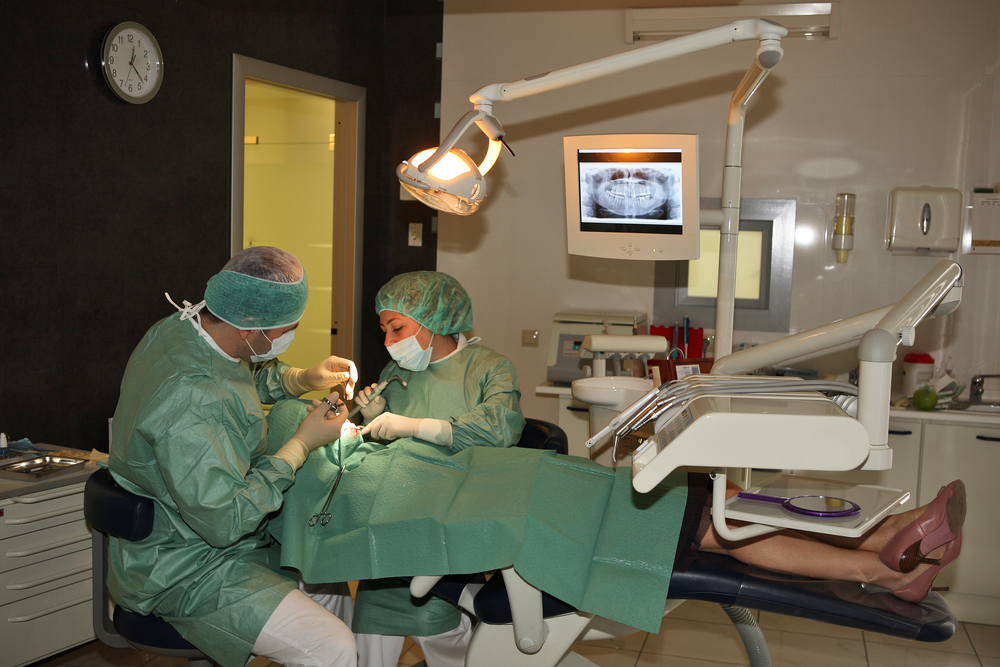

Autotransplantation of teeth has been carried out for many years and the 1990s saw clarification of the prognosis and risk factors together with proposed standard surgical procedures. The aim of this review was to assess the outcomes of autotransplanted teeth with complete root formation and the effects of various influencing factors.
Searches were conducted in Pubmed, Scopus, and Google scholar databases together with hand searches of the Journal of Dental Science. Studies conducted in humans involving at least 10 permanent transplanted teeth with complete root formation and a closed apical foramen a minimum of 1 year follow up were included. Two reviewers selected studies and extracted data independently. Quality assessment was undertaken using the Newcastle-Ottawa (NOS) scale. The primary outcomes were failure rate (FR), 1-year and 5-year survival rates (SRs), root resorption rate (RR) and ankylosis rate (AR).
- 26 studies (16 prospective and 10 retrospective cohorts) were included.
- Follow up periods varied from 12-120 months.
- 5 studies were considered to be of high quality
- The summary estimate of:-
- Annual FR was 2.0% (95% CI: 1.2–3.2%)
- 1-year SRs was 98.0% (95% CI: 96.8–98.8%)
- 5-year SRs was 90.5% (95% CI: 84.9–94.1%)
- First year RR was 2.1% (95% CI: 1.1–4.0%)
- First year AR was 1.2% (95% CI: 0.5–3.2%)
- The estimated FR was higher in the absence of systemic antibiotics, suture splinting, wire splinting ≤14 days and posterior donors.
- The estimated RR was higher in the absence of systemic antibiotics, endodontic treatment within post-operative 14 days and anterior/premolar donors.
- The estimated AR was higher with wire splinting and premolar donors.
The authors concluded
Tooth autotransplantation with complete root formation is a favourable treatment with rare FR, RR and AR. However, systemic antibiotics, endodontic and splinting modalities and tooth morphology seemed to influence the outcomes.
Comment
The authors highlight the lack of randomised controlled trials to include in this review and acknowledge the limitation of using observational studies. However, they did choose to include both pro- and retrospective cohorts in the analysis. As the retrospective studies have a greater potential for bias the decision to combine them is likely to overestimate the effects so this needs to be taken into consideration.
Links
Chung WC, Tu YK, Lin YH, Lu HK. Outcomes of autotransplanted teeth with complete root formation: a systematic review and meta-analysis. J Clin Periodontol. 2014 Apr;41(4):412-23. doi: 10.1111/jcpe.12228. Epub 2014 Feb 10. PubMed PMID: 24393101.




Autotransplantation of permanent teeth with an open apex - National Elf Service
9 years agoHumberto Velásquez Mansilla
10 years agoAlonso Carrasco
10 years agoTiago Marques
10 years agoMarcos Santana
10 years agoMarcos Santana
11 years agoCirugiasbucales
12 years agoTiago Marques
12 years agoAlonso Carrasco
12 years agoHumberto Velásquez Mansilla
12 years agoHumberto Velásquez Mansilla
12 years ago