Derek Richards

Profile photo of Derek Richards
Derek Richards is a specialist in dental public health, Director of the Centre for Evidence-Based Dentistry and Specialist Advisor to the Scottish Dental Clinical Effectiveness Programme (SDCEP) Development Team. A former editor of the Evidence-Based Dentistry Journal and chief blogger for the Dental Elf website until December 2023. Derek has been involved with a wide range of evidence-based initiatives both nationally and internationally since 1994. Derek retired from the NHS in 2019 remaining as a part-time senior lecturer at Dundee Dental School until the end of 2023.
Website

Follow me here –

Insufficient trial evidence that any surgical treatment for prominent lower front teeth is better or worse than another

Logo of The Cochrane Collaboration

Prominent  lower front teeth can  be associated with a large or prominent lower jaw and/or a small or retrusive upper jaw . The reasons why this occurs are not well understood.  Treatments to correct this range from orthodontic to surgical.  The aim of this Cochrane  review was to evaluate different treatments of Angle Class III [read the full story…]

Insufficient evidence to support or refute the effectiveness of conventional fillings over crowns for the restoration of root filled teeth

Logo of The Cochrane Collaboration

Root canal filling is a regular dental procedure. However root filled teeth can be weaker than healthy ones so restoration of these teeth can prove challenging. The aim of this Cochrane review was to assess whether restoring endodontically treated teeth (with or without post and core) using crowns or conventional filling materials was more effective. [read the full story…]

Limited benefit of slow release doxycycline gel as an adjunct to non-surgical periodontal maintenance treatment

shutterstock_2584741

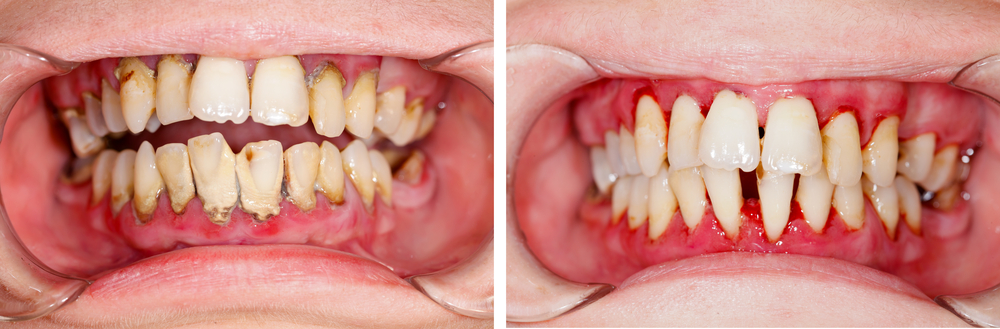
The aim of this study was to evaluate the efficacy of a slow release doxycycline gel (SRD) administered as an adjunct to non-surgical therapy in subjects with recurrent or persistent periodontitis but acceptable oral hygiene during supportive periodontal care. What did they do Patients suffering from persistent or recurrent moderate to severe periodontitis and undergoing [read the full story…]

Periodontal treatment can moderately improve quality of life

shutterstock_14465950 dentist and assistant

Traditionally the response of periodontal disease to treatment has most commonly been measured using the surrogate markers of; bleeding on probing (BOP); pocket probing depth (PPD) and clinical attachment loss (CAL).  This review aims to review whether a patient orientation measure (POEM) such as quality of life can measure the effect of treatment. What did [read the full story…]

No diagnostic benefit from routine screening with panoramic radiographs

shutterstock_75860806

More than 50% of dental practitioners are thought to use panoramic radiographs  to screen their new adult patients. While the UK Faculty of General Dental Practitioners recommend  the use of intra-oral radiographs  for the assessment of the adult dentate patient for the presence of caries, periodontal bone loss and apical pathology.  One of the aims [read the full story…]

Using liquid resin reduced lingual orthodontic retainer failure rate

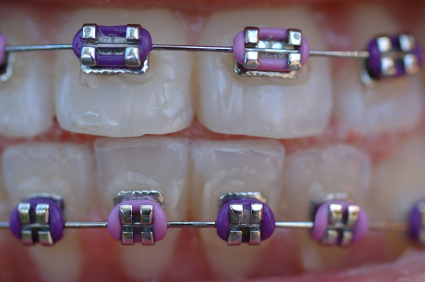
iStock_000002551343XSmall colourful braces on teeth

Long -term retention is necessary to avoid relapse following the completion of orthodontic treatment. The lingual retainer can be a useful method of retention. The aim of this study was to investigate the effect of liquid resin on the survival of fixed lingual retainers and to evaluate the incidence of calculus accumulation and discoloration adjacent [read the full story…]

Analgesics for pain experienced by patients having orthodontic treatment

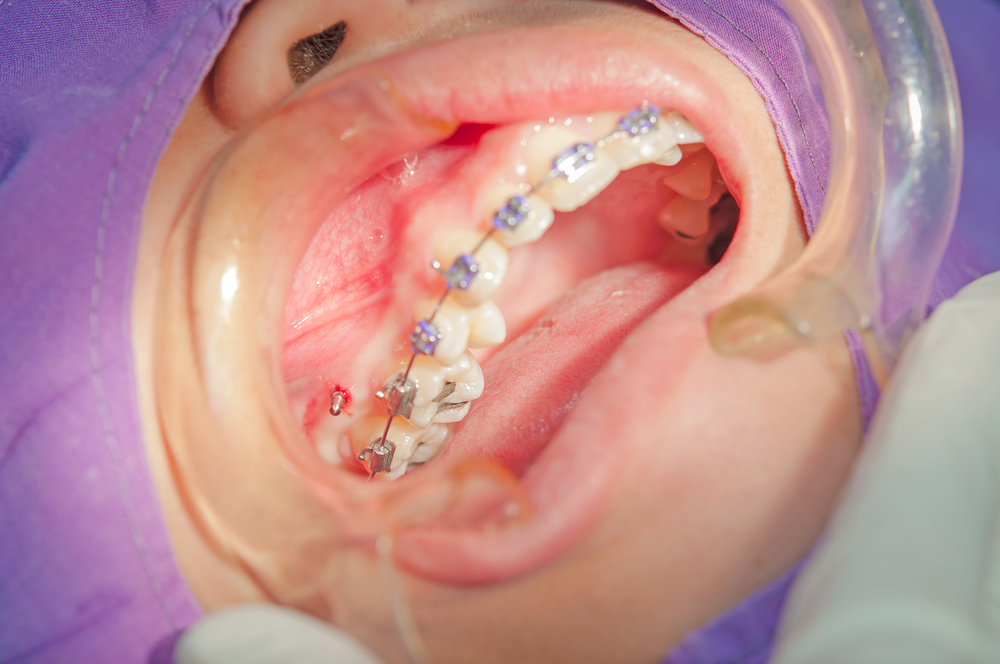
iStock_000002259334XSmall braces on teeth

One of the potential side effects of orthodontic treatment is pain and discomfort. This can lead to  reduced compliance  or discourage patients from treatment.   The aim of this study was to evaluate the effectiveness of pharmacological interventions on pain experienced by patients undergoing orthodontic treatment.  What did they do The Medline and Cochrane databases were [read the full story…]

Providing mothers with information on managing teething symptoms reduced medication use

shutterstock_1238303

The appearance of primary teeth ( teething) is a natural process  yet for many years it has been associated with a range of health problems in infants and young children. It also causes worry an anxiety for parents.   The authors aimed to assess the impact of providing  information on teething and its management  as part [read the full story…]

Study shows dexamethasone ointment had positive effect on recurrent aphthous ulceration

shutterstock_96140129

Yesterday we looked at a study that looked at multivitamins for the treatment of recurrent aphthous stomatitis (RAS). Today we have another study whose aim was to explore the efficacy and safety of dexamethasone ointment in the treatment of RAS.  What did they do This was a multi-centre trail conducted across 5 centres in China. [read the full story…]

Daily multivitamins did not reduce risk of mouth ulcers

shutterstock_96140129

Recurrent aphthous stomatitis (RAS), is one of the most common oral mucosal diseases. Minor RAS is the most common form of the disease.  The exact cause of RAS is still unknown and genetics, vitamin deficiencies, trauma, and immune dysfunction have been cited as possible causes.  The aim of this study was to see whether  a [read the full story…]