

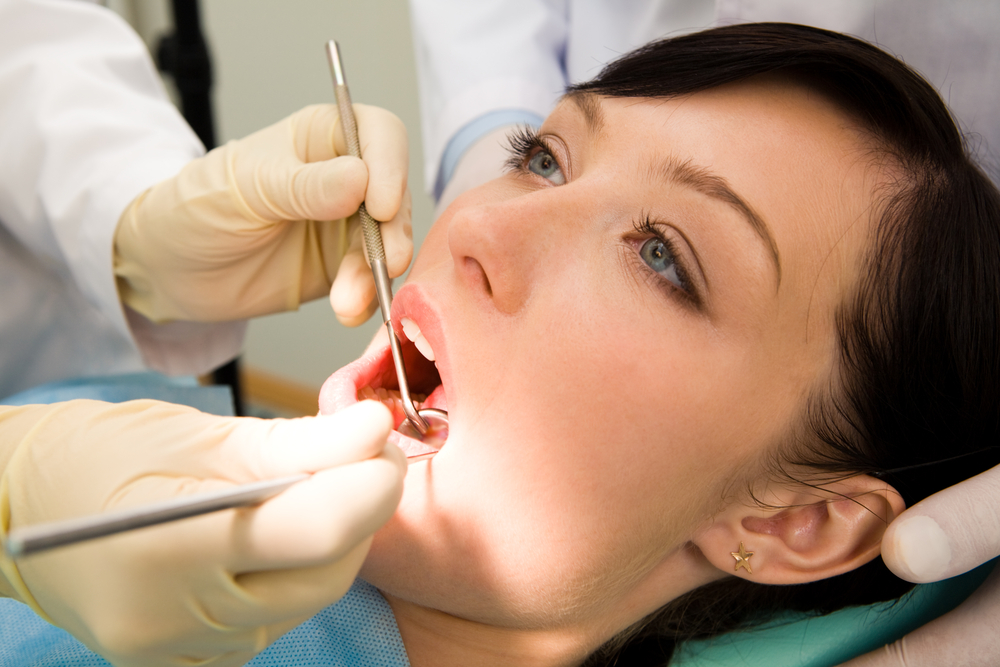

Access to dental care is limited in many parts of the world. The delegation of some clinical tasks to dental auxiliaries to improve access and reduce costs has been implemented in many countries including the UK. The aim of this review was to assess the effectiveness, costs and cost effectiveness of dental auxiliaries in providing care traditionally provided by dentists.
Methods
Searches were conducted in the Cochrane Effective Practice and Organisation of Care (EPOC) Group’s Specialised Register; Cochrane Oral Health Group’s Specialised Register; the Cochrane Central Register of Controlled Trials Medline; Embase; CINAHL; Cochrane Database of Systematic Reviews; Database of Abstracts of Reviews of Effectiveness; five other databases and World Health Organization (WHO) International Clinical Trials Registry Platform Search and Clinical-Trials.gov. Randomised controlled trials (RCTs), non-randomised controlled trials (NRCTs), controlled before and after studies (CBAs) if there were at least two intervention and two control sites and study groups were comparable, and interrupted time series (ITSs) when the point in time when the intervention occurred was clearly defined and there were at least three data points before and three after the intervention were considered. Study eligibility, data abstraction and risk of bias assessment were carried out independently by 3 reviewers. Cochrane methodological approaches were followed. The primary outcome measures considered were performance in 3 areas; history taking, diagnosis and treatment planning; technical procedures; oral health education and other health promotion measures.
Results
- 5 studies (one cluster RCT, three RCTs and one NRCT) were included. They evaluated placement of preventive resin fissure sealants and the atraumatic restorative technique (ART).
- All studies were at high risk of bias and the overall quality of the evidence was very low, as assessed using the GRADE approach.
- 4 of the 5 studies were more than 20 years old and assessed materials and techniques that were out of date.
- 4 studies evaluated sealant placement, 3 found no evidence of a difference in retention rates of those placed by dental auxiliaries and dentists over a range of follow-up periods (six to 24 months).
- 1 study found that sealants placed by a dental auxiliary had lower retention rates than ones placed by a dentist after 48 months (9.0% with auxiliary versus 29.1% with dentist). The same study reported that the net reduction after 48 months in the number teeth exhibiting caries (dental decay) was lower for teeth treated by the dental auxiliary than the dentist (3 with auxiliary versus 60 with dentist, P value < 0.001).
- 1 study showed no evidence of a difference in dental decay after treatment with fissure sealants between groups.
- 1 study comparing the effectiveness of dental auxiliaries and dentists in performing ART reported no difference in survival rates of the restorations (fillings) after 12 months.
Conclusions
The authors concluded
We only identified five studies for inclusion in this review, all of which were at high risk of bias and four were published more than 20 years ago, highlighting the paucity of high-quality evaluations of the relative effectiveness, cost-effectiveness and safety of dental auxiliaries compared with dentists in performing clinical tasks. No firm conclusions could be drawn from the present review about the relative effectiveness of dental auxiliaries and dentists.
Commentary
A number of previous reviews of this area have been undertaken (Dental Elf 21st Jan 2013). These reviews have included a broader range of study designs and generally concur with the current review. All the reviews comment that the quality of the available evidence was poor. As the authors note the limitations in the quality and extent of the data makes drawing substantive implications for practice difficult. This means that policy makers have little evidence to understand the potential impact of dental auxiliaries on the effectiveness and cost-effectiveness of dental services and further high quality studies are needed.

Links
Dyer TA, Brocklehurst P, Glenny AM, Davies L, Tickle M, Issac A, Robinson PG. Dental auxiliaries for dental care traditionally provided by dentists. Cochrane Database of Systematic Reviews 2014, Issue 8. Art. No.: CD010076. DOI: 10.1002/14651858.CD010076.pub2.



Alonso Carrasco
10 years agoAnna Lee Hunt
10 years agoTheDentalElf
11 years agoTheDentalElf
11 years agoTheDentalElf
11 years agoUKCochraneCentr
11 years agoTheDentalElf
11 years agoSysnetCardiff
11 years agonandinighai
11 years agomonalisa1n
11 years agoTheDentalElf
11 years agoAlonso Carrasco
11 years agoAnna Lee Hunt
11 years agoOBrienK57
11 years ago