Derek Richards

Profile photo of Derek Richards
Derek Richards is a specialist in dental public health, Director of the Centre for Evidence-Based Dentistry and Specialist Advisor to the Scottish Dental Clinical Effectiveness Programme (SDCEP) Development Team. A former editor of the Evidence-Based Dentistry Journal and chief blogger for the Dental Elf website until December 2023. Derek has been involved with a wide range of evidence-based initiatives both nationally and internationally since 1994. Derek retired from the NHS in 2019 remaining as a part-time senior lecturer at Dundee Dental School until the end of 2023.
Website

Follow me here –

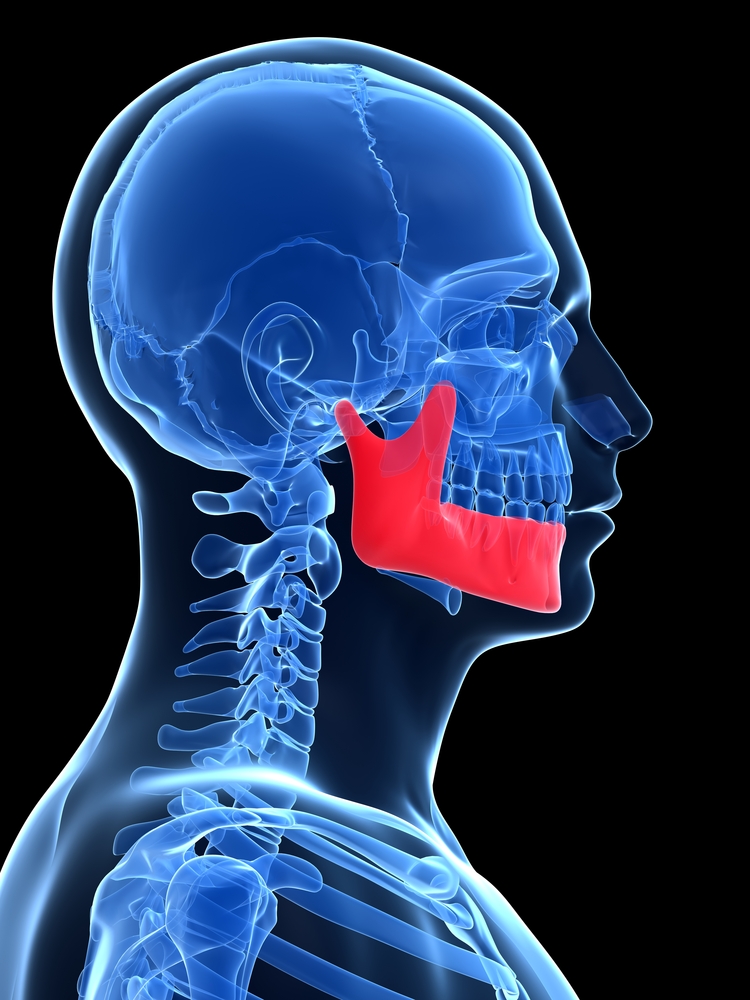
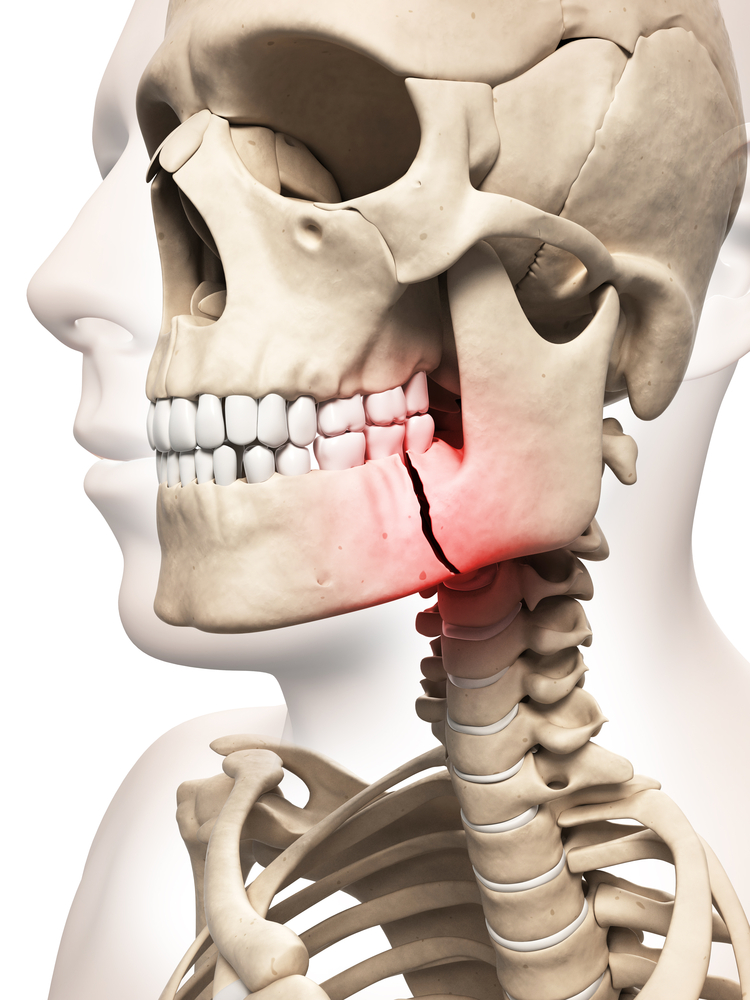
Plating fractures of the angle of the mandible via a transbuccal approach may result in lower infection rates

shutterstock_5410882 dentist x-ray

The aim of this study was to investigate whether fixation of fractures of  the mandibular angle  using miniplates placed through a transbuccal approach  resulted in lower infection rates that those placed on the mandibular external oblique ridge using an intra-oral approach. What did they do Patients were randomised (by year of birth) to having their [read the full story…]

Powered toothbrushes are as safe to use as manual toothbrushes

shutterstock_77733628-powered toothbrush

Powered toothbrushes (PTB) have been available since the 1960s and Cochrane reviews have shown that powered toothbrushes with a rotation oscillation action reduce plaque and gingivitis more than manual toothbrushing (MTB). The main focus of these review has been their effectiveness rather than the safety of these brushes.  Van der Weijden et al undertook a [read the full story…]

Should we use antibiotics to prevent complications from the removal of third molars?

shutterstock_58613434

The use of antibiotics to prevent complications from the removal of third molars is a cause of debate. The aim of this review was to assess the efficacy of antibiotics in preventing infectious complications after third molar surgery What did they do The Medline Embase, ,and Cochrane databases were searched together with the references in [read the full story…]

Coronectomy or total removal of third molars which approach give better outcomes

shutterstock_80358547

One of the complications of the removal of lower third molars ( wisdom teeth) is inferior alveolar nerve injury (IANI) .  This has resulted in the use of a new extraction procedure coronectomy (partial odontectomy or root retention) a technique whereby the crown of a tooth is removed but parts of the roots are untouched.  [read the full story…]

Helping your patients give up smoking

shutterstock_71105002

Following on our story last week about nicotine replacement gum improving tooth staining my colleague  the Lifestyle Elf has highlighted the latest evidence from the Cochrane Collaboration on  interventions for tobacco cessation in dental settings. Tobacco use has signification negative effects on the oral environment and dentists have a unique opportunity to help their patients [read the full story…]

Still insufficient evidence to support or refute routine prophylactic removal of asymptomatic impacted wisdom teeth

Logo of The Cochrane Collaboration

Third molars (wisdom teeth) generally erupt between the ages of 17-24 years. Often they fail to erupt or only erupt partially. When they do not reach their normal functional position they are considered to be impacted, this can be due to lack of space, obstruction by another tooth, or development in an abnormal position.   An [read the full story…]

Nicotine replacement gum found to improve tooth staining caused by smoking

shutterstock_99430679

In addition  to being a risk factor for mouth cancer and periodontal disease, smoking is associated with staining of the teeth.  Nicotine replacement therapy (NRT) is widely used to assist patients quit smoking.  In vitro tests of NRT gum have suggested that they may have stain reduction effects.  A product which not only assists smokers [read the full story…]

Evidence updates from NHS Evidence

shutterstock_73917457

Two recent evidence updates from NHS evidence have been published.  These updates  higlight new evidence related to these topic areas and provide a commentary on this new evidence. The topics are Improving outcomes in head and neck cancer Sedation in children and young people    –   This focuses on a summary of selected new evidence [read the full story…]

Surgical advancement of the maxilla in cleft lip and palate patients appears to show a moderate relapse rate in the horizontal plane and a high relapse rate in the vertical plane

shutterstock_71153206

More than 25% of patients with cleft lip and palate (CLP) develop hyperplasia of the maxilla that requires surgical correction. This surgery is usual occurs in the final phase of their CLP treatment and is typically a Le Fort I osteotomy. The aim of this review was to assess the long term stability of this [read the full story…]

Limited evidence for the use of oxalates for treating dentine hypersensitivity

shutterstock_44187316

Dentine hypersensitivity is a troublesome  condition that results in sharp sudden burst of pain in response to thermal stimuli such as hot or cold foods, but may also arise from tactile stimuli such as use of  a toothbrush. Prevalence of the condition has been reported as high as 74% in some studies. This 2011 review [read the full story…]