Derek Richards

Profile photo of Derek Richards
Derek Richards is a specialist in dental public health, Director of the Centre for Evidence-Based Dentistry and Specialist Advisor to the Scottish Dental Clinical Effectiveness Programme (SDCEP) Development Team. A former editor of the Evidence-Based Dentistry Journal and chief blogger for the Dental Elf website until December 2023. Derek has been involved with a wide range of evidence-based initiatives both nationally and internationally since 1994. Derek retired from the NHS in 2019 remaining as a part-time senior lecturer at Dundee Dental School until the end of 2023.

Website

Follow me here –

No association between periodontal disease and pre-eclampsia found

shutterstock_64380988

Periodontal disease has been linked with a number of general health conditions and we recently covered the review which noted that the evidence does not support an association between periodontal disease and atherosclerotic vascular disease.  This multicentre case control study is the latest published study to look at the link between periodontal disease and pre-eclampsia. [read the full story…]

No evidence currently available to support the use of lacebacks for the control of incisors during initial orthodontic alignment

shutterstock_60699226

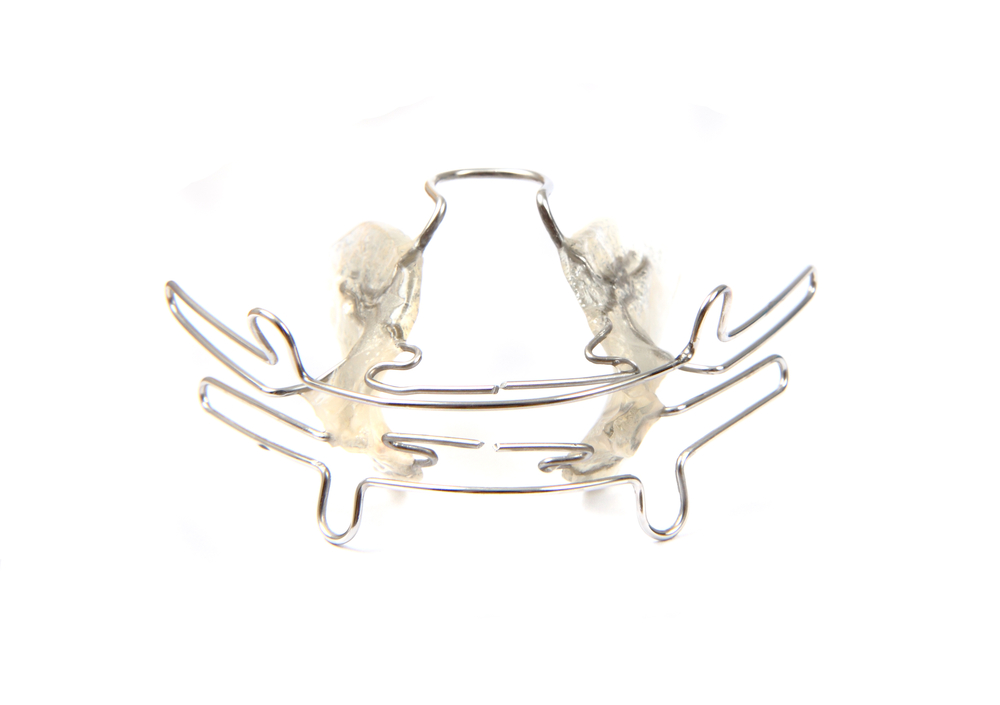
Many clinicians routinely use lacebacks to control incisor position during orthodontic alignment, they have not met with universal approval. The aim of this review was to evaluate  the effectiveness of laceback ligatures during the initial alignment phase of orthodontic treatment. What did they do? The Medline, Cochrane Central Register of Controlled Trials, LILACS, IBECS, national [read the full story…]

Pulps should be removed from replanted avulsed teeth within 14 days

shutterstock_70287046 - avulsed tooth

This 2009 review by Hinckfuss & Messer regarding the timing of pulp extirpation following the replantation of avulsed teeth has just been critically appraised under the auspicies of the American Dental Associations Centre for Evidence-based Dentistry. The commentator highlights some methodological issues with the conduct of the review and the heterogeneity of the available evidence [read the full story…]

Light activated tooth whitening increases the risk of tooth sensitivity and may not improve the bleaching effect

shutterstock_72878767

Tooth whitening is an increasingly popular cosmetic treatment. In surgery bleaching and dentist-prescribed, home-applied bleaching are the two most common procedures. Light activation using a range of light sources, halogen curing lights, xenon–halogen lights, plasma arcs, light emitting diodes (LEDs), LED plus lasers, and lasers have been used to reduce the bleaching time and decrease [read the full story…]

Evidence for the anti-plaque and anti-gingivitis effects of chlorhexidine

shutterstock_20760106 - mouthwash

The antiseptic agent Chlorhexidine (CHX) has been widely use to control plaque and gingivitis. The aim of this review  was to evaluate, the efficacy of a CHX mouthrinse against plaque growth, gingival inflammation and stain formation in gingivitis patients. What did they do The Medline-PubMed, Embase and the Cochrane Central Register of Controlled Trials databases [read the full story…]

Limited evidence finds modest benefit in favour of antivirals for the prevention of cold sores

shutterstock_53580727 - cold sore

Recurrent herpes labialis (cold sores) is a common infection of the lip. The usual cause is the herpes simplex virus type 1 (HSV-1) although HSV-2 is been increasingly implicated. It is estimated that 90% of the population have been exposed to HSV-1. 20-30% of those infected experience outbreaks of  small blisters or sores on or [read the full story…]

Ultrasonography has acceptable diagnostic efficacy for detection of temporomandibular joint disc displacement

shutterstock_67196470

Temporomandibular disorders (TMDs) result in craniofacial pain, limited mouth opening, temporomandibular joint (TMJ) clicks affecting the joint and related structures.  A prevalence of between 10% to 70% has been reported, and it particularly effects women aged 20 to 40 years. TMDs can be classified into muscular disorders, internal derangement (ID), inflammatory disease, and osteoarthritis. Internal [read the full story…]

New Cochrane Protocol for April 2012

Logo of The Cochrane Collaboration

Just one new dental protocol registered with the Cochrane Oral Health Group this month . Ban Z, Jia Y, Li C, Zhu Z, Ban Y, Shi Z. Gingival retraction for fixed prosthodontic treatment (Protocol). Cochrane Database of Systematic Reviews 2012, Issue 4. Art. No.: CD009797. DOI: 10.1002/14651858.CD009797. Crowns, bridges and other fixed dental prosthesis  are [read the full story…]

Gum disease does not cause heart disease

heart attack

Links between gum and heart disease have been noted for over 100 years, but  in recent years there has been a surge of interest in this topic as evidenced by the increasing numbers of papers published since the late 1990s. A selection of some of the reviews published since 2000 is listed below.  The aim [read the full story…]

Paucity of evidence for the effectiveness of treatments for temporomandibular joint osteoarthritis

Logo of The Cochrane Collaboration

The temporomandibular joint (TMJ) as with many of the other joints, can be affected by osteoarthritis (OA).  This is characterized by progressive destruction of the internal surfaces of the joint which can result in debilitating pain and joint noises.  Osteoarthritis (OA) is the most common form of arthritis affecting the TMJ.  The aim of this [read the full story…]