Derek Richards

Profile photo of Derek Richards
Derek Richards is a specialist in dental public health, Director of the Centre for Evidence-Based Dentistry and Specialist Advisor to the Scottish Dental Clinical Effectiveness Programme (SDCEP) Development Team. A former editor of the Evidence-Based Dentistry Journal and chief blogger for the Dental Elf website until December 2023. Derek has been involved with a wide range of evidence-based initiatives both nationally and internationally since 1994. Derek retired from the NHS in 2019 remaining as a part-time senior lecturer at Dundee Dental School until the end of 2023.

Website

Follow me here –

What is the role of occlusal adjustment in periodontal treatment?

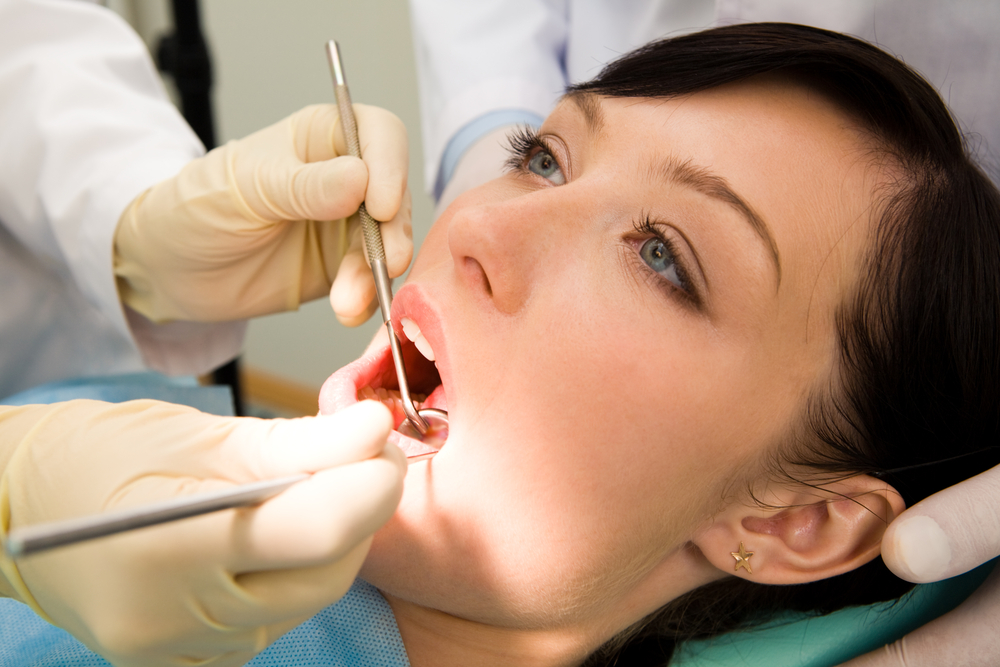
shutterstock_14465950 dentist and assistant

The relationship between trauma from occlusion and periodontal disease has long been a area of discussion. Occlusal adjustment has been conducted routinely by some as part of procedures to control periodontal disease.  The aim of this review was to assess whether  there any evidence that occlusal adjustment as part of periodontal therapy provides additional benefit [read the full story…]

Do complete dentures have to have a balanced occlusion?

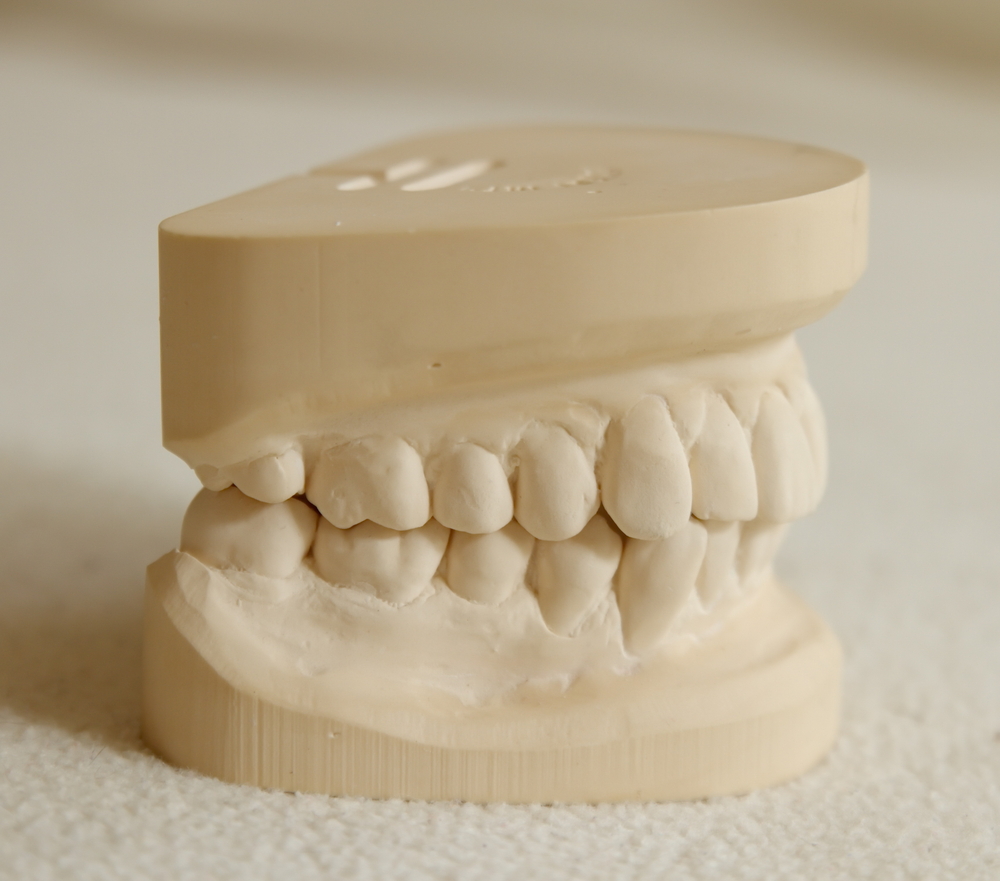
shutterstock_24108289

When constructing conventional complete dentures incorporating a bilateral balanced occlusion (BBO) is considered by many to be important for a successful outcome.  The aim of this review was to compare whether BBO or canine-guided (CG) dentures were important for successful denture treatment. The Medline, ISI Web of Science, LILACS (Latin American and Caribbean Literature on [read the full story…]

Apical preparation for root canal treatment, how much is needed?

shutterstock_51320776

In root canal treatment (RoCT) apical preparation is traditionally to three sizes larger than the first apical binding file (FABF) although some have argued for further enlargement.  The aim of this study was to evaluate the effect of different apical preparation sizes on the outcome of primary RoCT in mandibular first molars. Patients > 18 [read the full story…]

Orthodontic tooth movement and its effect on the dental pulp

iStock_000002551343XSmall colourful braces on teeth

Orthodontic treatment is based on the principle that if a force is applied to a tooth for a period of time it will move. The applied force produces changes in both the supporting structures and in the pulp of the tooth.  Pathological changes have been reported in the pulp in response to these forces so [read the full story…]

Trail suggests rapid injection technique for inferior alveolar nerve block was more uncomfortable but more effective

shutterstock_17571817- injection

The aim of this study was to compare both the effectiveness of the anaesthesia and the pain with deposition between fast and slow inferior alveolar nerve block (IANB) injection techniques. Patients attending a dental emergency department and requiring endodontic management were randomised to receive either fast (n=30) or slow (n=30) IANB injections using 3.6 mL [read the full story…]

Recent ADA-EBD Critical summaries

shutterstock_73917457

The American Dental Association Center for Evidence-Based Dentistry continues to add to their database of critical appraisals and have recently published  a number of critical appraisals :- The Relationship between Bisphosphonates and Atrial Fibrillation Socket preservation of implant sites Possible Inverse Relationship between Level of Educational Attainment and Risk for Chronic Periodontitis Preoperative antisepsis with [read the full story…]

Topical fluorides for moderate to high caries risk adults

shutterstock_12720943-mouthwash

There is a tendency to focus on the prevention of dental caries in children yet is it is a problem that continues to affect old and young alike.  While considerable time and effort is spent on preventive programmes for children far less consideration to adults. The American Dental Association Center for Evidence-Based Dentistry has published [read the full story…]

Some toothpastes have some impact on mouth bacteria in short term

shutterstock_87714310

There is good evidence that toothbrushing reduces gingivitis and that tooth brushing with fluoride toothpaste reduces tooth decay. The aim of this study was to compare the antimicrobial effects of three commercially available toothpastes. Thirty-five adults (15 men and 20 women; average age 33 years and pockets <5 mm with a minimum of 20 natural [read the full story…]

Professional oral hygiene interventions and follow-up support provided short term improvement in oral health for in older adults

shutterstock_106616348

An increasingly elderly population  have benefited from improvements in oral health care resulting in the retention of an increasing number of natural teeth. This brings the challenge of maintaining these  teeth and their replacements in good disease free condition.  However, studies indicate that oral health in this group is often poor.  The aim of this [read the full story…]

Limited evidence for caries risk assessment systems

shutterstock_3275732-caries -9-10yr old

Assessing an individual patient’s risk of caries is considered to be an important element of contemporary treatment planning, for example the 2004 NICE (National Institute for Health and Clinical Excellence) recall guidance recommended risk-based recall intervals. The aim of this review was to assess the evidence supporting four caries risk assessment (CRA) systems:- Cariogram, Caries [read the full story…]