Derek Richards

Profile photo of Derek Richards
Derek Richards is a specialist in dental public health, Director of the Centre for Evidence-Based Dentistry and Specialist Advisor to the Scottish Dental Clinical Effectiveness Programme (SDCEP) Development Team. A former editor of the Evidence-Based Dentistry Journal and chief blogger for the Dental Elf website until December 2023. Derek has been involved with a wide range of evidence-based initiatives both nationally and internationally since 1994. Derek retired from the NHS in 2019 remaining as a part-time senior lecturer at Dundee Dental School until the end of 2023.
Website

Follow me here –

Review finds limited evidence on maintenance requirements of implant retained overdentures in the upper jaw

shutterstock_70384249

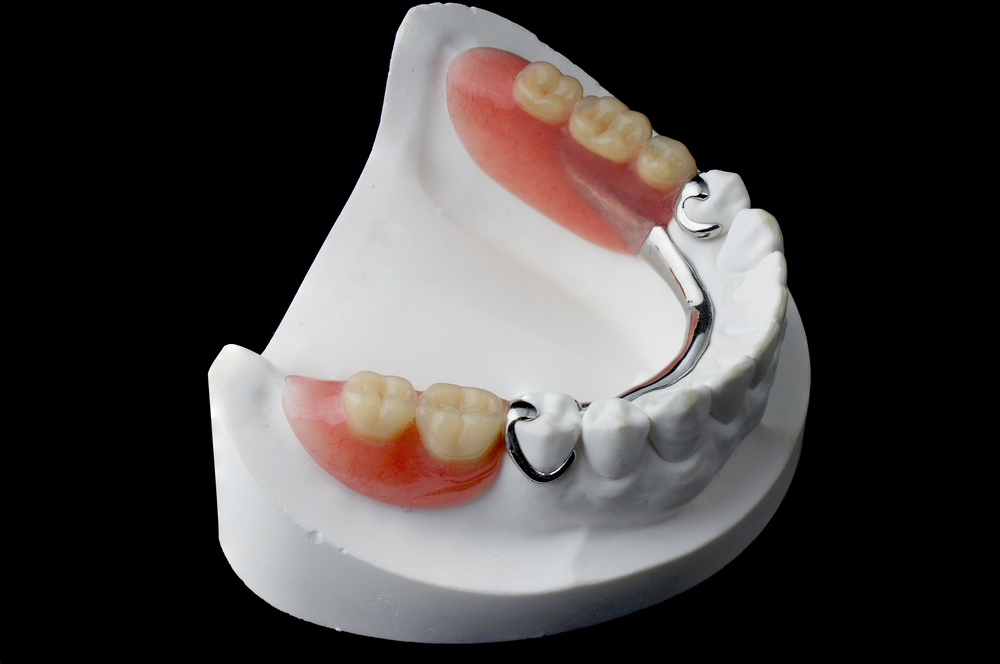
Rehabilitating the edentulous upper jaw with implant-supported dentures requires long-term maintenance of the prosthesis. This review aimed to evaluate the literature on prosthodontic maintenance requirements for maxillary implant overdentures using different prosthodontic designs. The authors conducted electronic searches on Medline, PubMed and Google Scholar. In addition they hand searched 15 dental journals and the reference [read the full story…]

Review suggests a relationship between obesity and dental caries

shutterstock_3275732

Diet is a contributory factor to both obesity and dental caries and a number of studies have linked these two global public health problems. The aim of this systematic review and meta-analysis was to investigate and quantify the relationship between obesity and dental caries in children. Searches  of the Embase, MedLine, ScienceDirect, Ovid and PsychInfo [read the full story…]

Review revisits old evidence linking vitamin D and dental caries and suggests there may be a benefit

shutterstock_117677449

A link between vitamin D and dental caries was suggested back in the 1920s as it has an important role in calcium and phosphate metabolism.  The aim of this study was to review the available trial data on supplementation with vitamin D for dental caries prevention compared with no such supplementation, in any population. The [read the full story…]

Two endodontic irrigation protocols show similar effect on bacterial contamination during root canal treatment

shutterstock_1997703

Elimination of bacteria from the root canal is a key aim of root canal treatment (RoCT). The aim of this study was to compare the results of a non-activated single-irrigation protocol (NAI) that used only 1% Sodium hypochlorite (NaOCl) with a passive ultrasonic multi-irrigation protocol (PUI) that used 1% NaOCl, 17% ethylenediaminetetraacetic acid (EDTA), and [read the full story…]

New Cochrane Protocols for Oct and Nov 2012

shutterstock_74352844

October saw one new Cochrane protocol published on the Cochrane Library which slipped passed the Elf’s gaze. Cope A, Francis N, Wood F, Mann MK, Chestnutt IG. Systemic antibiotics for symptomatic apical periodontitis and acute apical abscess in adults (Protocol). Cochrane Database of Systematic Reviews 2012, Issue 10. Art. No.: CD010136. DOI: 10.1002/14651858.CD010136. The principal [read the full story…]

Moderate evidence that prophylactic antibiotics reduce the risk of infection, dry socket and pain following third molar extraction but benefit not enough to recommend routine use

Logo of The Cochrane Collaboration

Tooth extraction is probably the most commonly conducted surgical procedure.  Teeth are normally extracted because of severe dental caries or periodontal (gum) infection, although they are also removed because they are poorly aligned or developed.  To aim of this Cochrane review was to determine the effect of antibiotic prophylaxis on the development of infectious complications [read the full story…]

No robust evidence to indicate maximum insertion torque levels for orthodontic mini-implants

shutterstock_60699226

Yesterday (Dental Elf 13th Nov 2012) we looked at a systematic review assessing failure rates of mini-screw implants for orthodontic anchorage.  Today we are looking at a review consider whether recommended maximum insertion torque values of 5 to 10 Ncm were associated with higher success rates of orthodontic mini-implants than those inserted with torque values [read the full story…]

Review suggests a modest failure rate for orthodontic mini-screws used for anchorage reinforcement

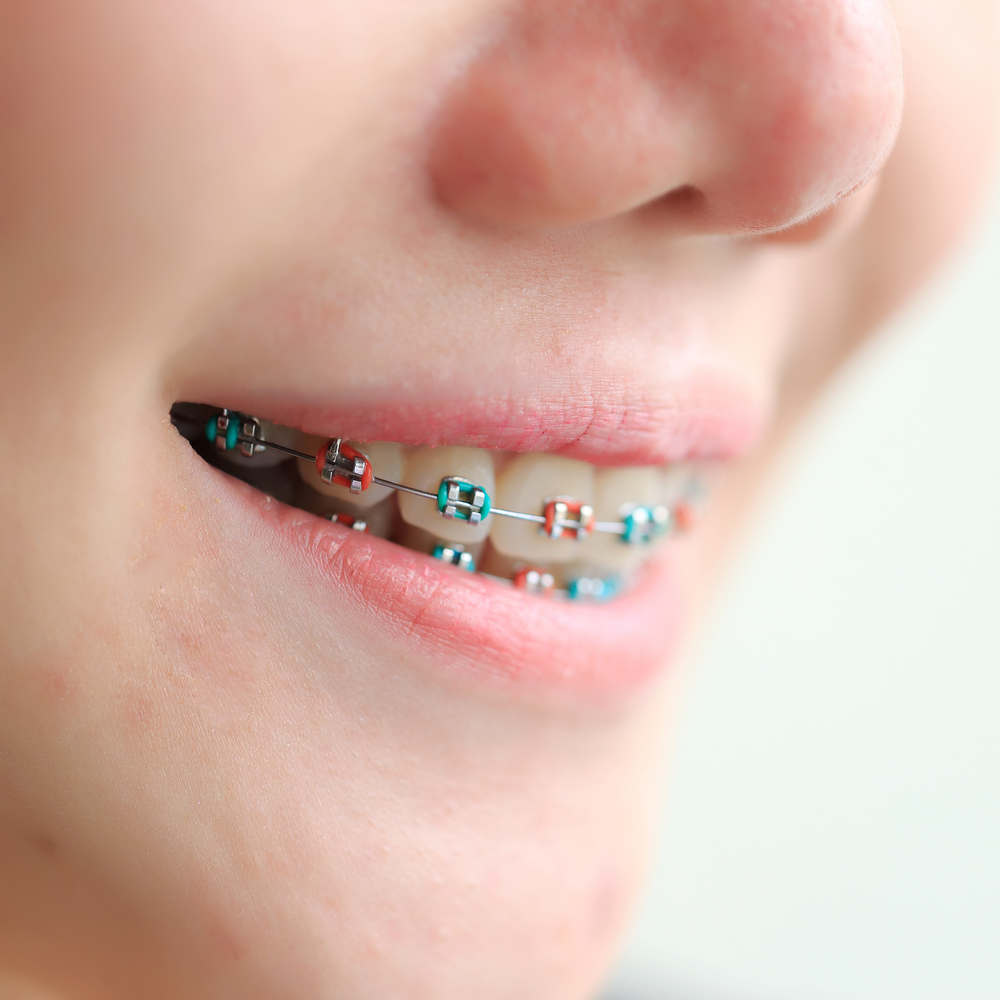
iStock_000002551343XSmall colourful braces on teeth

Orthodontic mini-screw implants have become a popular method of providing anchorage reinforcement during orthodontic treatment.  The aim of this review was to assess the failure rates for mini-screw implants used for orthodontic anchorage purposes and to identify any significant risk factors possibly affecting these failure rates. A wide range of databases (19 in all) were [read the full story…]

Small study finds limited benefit for lavage to supplement local anesthetic treatment for treatment of temporomandibular disorders

Depression

It has been estimates that 20% to 30% of the adult population will experience temporomandibular joint dysfunction. The aim of this study was to assess the short-term efficacy of two treatments for patients with permanently displaced discs and temporomandibular disorder (TMD) pain. Adult patients( ≥ 18)  with TMD  pain and disk displacement without reduction (DDwoR)  [read the full story…]

Dental Elf teaching

shutterstock_2987757

The Dental Elf is teaching in Boston MA all next week on the  ADA/Forsyth Evidence-Based Dentistry  Course so no blogs until the 12th November