Derek Richards

Profile photo of Derek Richards
Derek Richards is a specialist in dental public health, Director of the Centre for Evidence-Based Dentistry and Specialist Advisor to the Scottish Dental Clinical Effectiveness Programme (SDCEP) Development Team. A former editor of the Evidence-Based Dentistry Journal and chief blogger for the Dental Elf website until December 2023. Derek has been involved with a wide range of evidence-based initiatives both nationally and internationally since 1994. Derek retired from the NHS in 2019 remaining as a part-time senior lecturer at Dundee Dental School until the end of 2023.
Website

Follow me here –

Significant side effects appear rare when using oral midazolam for behaviour management in children and adolescents requiring dental treatment

shutterstock_105846125

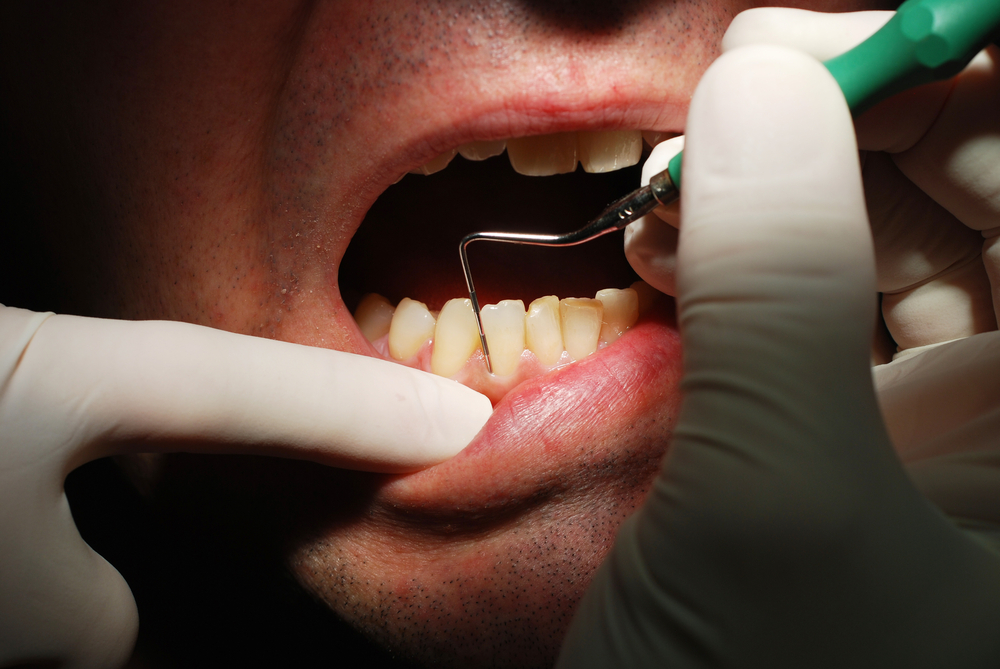
Unfortunately dental caries remains a significant problem in children with some young children requiring multiple procedures. Traditionally this was managed with general anesthesia, increasingly sedation and behaviour management are seen as potential alternative approaches and a 2010 guideline from the National Institute for Health and Clinical Excellence (NICE) suggested that midazolam could be used for [read the full story…]

Atraumatic restorative treatment had similar survival rates to conventional approaches in primary teeth but evidence limited

shutterstock_92524393

Atraumatic restorative treatment (ART) involves the removal of so softened carious enamel and dentine with hand instruments and filling the cavity with a adhesive restorative material. Typically this is a high-viscous glass ionomer cement (GIC).   This approach was about 25 years ago  to provide care in less industrialised areas with high disease levels but is [read the full story…]

Limited review suggests no difference in survival rates for calcium phosphate-coated dental implants and non-coated implants

shutterstock_97814552

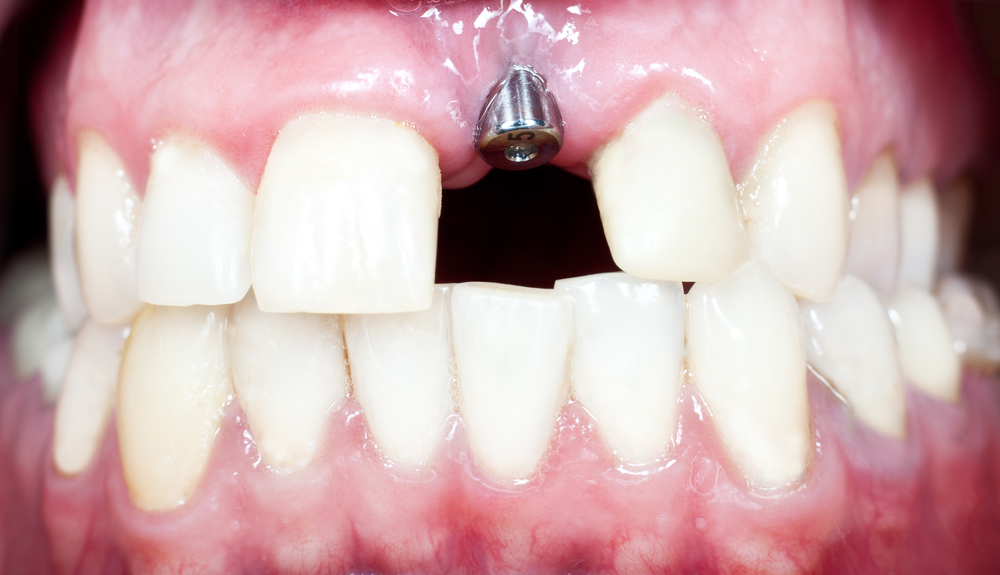
The use of dental implants has become relatively common and systematic reviews have shown good survival rates for a number of implant systems. However, there is a profusion of systems available with a range of surface modifications.  The main aim of this review was to evaluate the long-term survival data of calcium phosphate-coated dental implants [read the full story…]

New Cochrane Protocols for December 2012

shutterstock_14616907

December brings two new protocols to the Cochrane Library from the Cochrane Oral Health Group. The first of these:-  Liu JLY, Walsh T, Kerr AR, Lingen M, Brocklehurst P, Ogden G, Warnakulasuriya S, Scully C. Diagnostic tests for oral cancer and potentially malignant disorders in patients presenting with clinically evident lesions (Protocol). Cochrane Database of [read the full story…]

No reliable evidence of benefit from extracting primary canine teeth for correcting poorly aligned permanent canines

shutterstock_8524240-unerupted canines

In a small proportion of children (1-3%) the upper permanent canine tooth is diverted into the roof on the mouth.  Treatment of this displacement can be complex and it is considered that the early removal of the primary canine tooth may improve the position f the developing permanent successor. The aim of this Cochrane review [read the full story…]

Moderate evidence that chlorhexidine rinse or gel provides a benefit in preventing dry socket

shutterstock_84141019

Teeth are extracted every day in dental surgeries throughout the world because of tooth decay and periodontal (gum) disease. Alveolar osteitis (dry socket) is a complication that can follow an extraction with estimates of its incidence ranging from <1-37.5%.  Typically a blood clot is absent in the socket and the patients have pain in and [read the full story…]

Only weak evidence that laser-assisted pulpotomy improves outcomes in primary teeth

shutterstock_80298358

Pulpotomy procedure are used to maintain a carious tooth by removing the infected pulp and lasers have been shown to reduce bacterial levels in human tissue.  The aim of this review was to identify studies comparing laser with conventional techniques for pulpotomy procedures in primary teeth and to evaluate their methodological quality, to assess whether [read the full story…]

Weak evidence shows no evidence of improved root surface coverage using root surface biomodification agents

shutterstock_119290663

It has been suggested that root surface biomodification (RSB) with chemical agents, improves outcomes of periodontal surgery and scaling and root planning. The aim of this review was to determine if RSB has any positive or negative effects when used before root coverage procedures? Medline and the Cochrane Central Register of Controlled Trials together with [read the full story…]

Risk factors for early childhood caries

shutterstock_90529192

Caries in children aged 71 months and younger or early childhood caries (ECC) has been reported with a prevalence of between 20 and 80% in some populations.  The aim of this review was two fold, to assess the association between the acquisition of oral cariogenic bacteria and caries outcomes in infants and to identify the [read the full story…]

Critical summaries from the American Dental Association Center for Evidence-Based Dentistry

shutterstock_74352844

Two new critical summaries are now available at the ADA-EBD site The first one is of a 2011 review by  Yengopal and Mickenautsh; The aim of the review was to assess whether resin-modified glass-ionomer cement (RM-GIC) offered a significant caries-preventive effect compared with resin-based composite (RBC)? The appraiser generally considers the review to be well [read the full story…]