

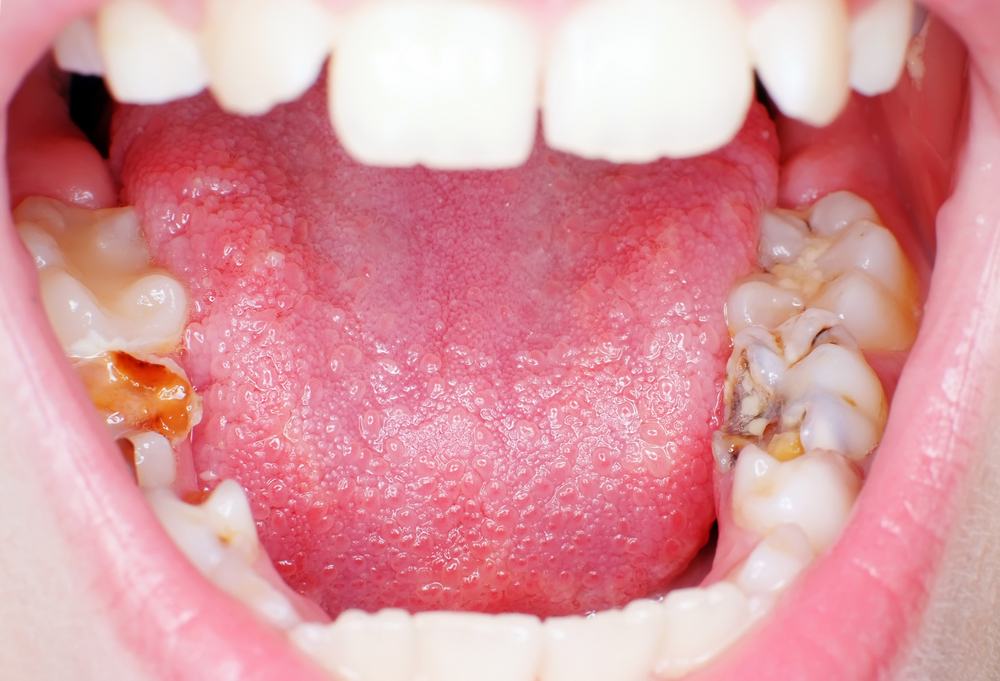

In the Hall Technique carious primary molars are managed by sealing decay under preformed metal crowns without any caries removal, tooth preparation, or local anaesthesia. The aim of the study was to compare the clinical/radiographic failure rates of the Hall Technique (HT) against General Dental Practitioners’ (GDPs) standard (control) restorations.
This split-mouth study involved 132 children, aged 3-10 yrs and GDPs in Scotland. Teeth were randomized to HT (intervention) or GDPs’ usual treatment (control). There were 264 study teeth with initial lesions, 42% of which were radiographically > half-way into dentin, and 67% of which had Class II restorations. Annual clinical/radiographic follow-up data were recorded. Ninety-one patients (69%) had 48 months’ minimum follow-up.
Falure at 60 months are shown in the table.
[table id=8 /]
Overall, there were follow-up data for 130 patients (2-60 mos): ‘Major’ failures: HT, 3 (2%); control restorations, 22 (17%) (p = 0.000004; NNT 7); and ‘Minor’ failures, HT, 7 (5%); control restorations, 60 (46%) (p < 0.000001; NNT 3).
They concluded
Sealing in caries by the Hall Technique statistically, and clinically, significantly outperformed GDPs’ standard restorations in the long term.
Innes NP, Evans DJ, Stirrups DR. Sealing Caries in Primary Molars: Randomized Control Trial, 5-year Results. J Dent Res. 2011 Sep 15. [Epub ahead of print]PubMed PMID: 21921249




jacob silas
13 years agoDafydd
14 years agoMeg
14 years agoCarmen
14 years ago