Categories
Diagnosis
All in Diagnosis
brain imaging
diagnostic test
prediction
risk factors
screening programme
screening test
Mental health
All in Mental health
addiction
ADHD
anxiety
bipolar disorder
body-focused repetitive behaviours
dementia
depression
eating disorders
OCD
panic disorder
personality disorders
psychosis
PTSD
schizophrenia
self-harm
sleep disorders
suicide
trauma
Other health conditions
All in Other health conditions
blood-borne viruses
cancer
cardiovascular disease
chronic fatigue syndrome
comorbidity
epilepsy
motor neuron disease
multiple sclerosis
parkinson's disease
sleep apnoea
Tourette Syndrome
traumatic brain injury
Populations and settings
All in Populations and settings
advocacy
black and minority ethnic
caregivers
child and adolescent
climate
commissioning
community settings
crime
deinstitutionalisation
employment
end of life
family carers
hospital admissions
housing
later life
LGBTQ+
liaison psychiatry
loneliness
older adult
parenting
patient safety
perinatal mental health
poverty
pregnancy
primary care
quality of life
refugee
schools
secondary care
service user involvement
shared care
sport
training
vulnerable people
young adult
Publication types
All in Publication types
appraisal
audit
case study
case-control
cohort study
consultation
cross-sectional
economic analysis
economic evaluation
guideline
legislation
literature review
mendelian randomisation
meta-analysis
mixed methods
observational study
patient information
policy
prospective study
qualitative
questionnaire
randomised controlled trial
report
scoping review
state of the art review
statistics
survey
systematic review
technology assessment
training resource
umbrella review
website
Treatment
All in Treatment
antidepressants
antipsychotics
CBT
cognitive bias modification (cbm)
complementary and alternative
All in complementary and alternative
supplements
digital health
exercise
medicines
All in medicines
anti-obesity medicine
antibiotics
antiepileptic
antihistamines
cholinesterase inhibitors
hypnotics
ketamine
mood stabilisers
mental illness prevention
All in mental illness prevention
vaccinations
mindfulness
neurostimulation
other
All in other
internet-based treatment
physical interventions
psychotherapy
rehabilitation
All in rehabilitation
acupuncture
education
electrotherapy
exercise rehabilitation
joint injection
manual therapy
orthotics and taping
Physical activity
thermal
self-management
surgical
All in surgical
bariatric surgery
coronary artery bypass
systems
All in systems
advanced practice
early intervention in psychosis
palliative care
stepped care model
telehealth
All in telehealth
disease management
telerehabilitation
topical
Podcasts
About
Staff
Bloggers
No bias. No misinformation. No spin.
Just what you need!
Get Elf Help Now →
Social Media
Video
Podcast
Webinar
Training
Contact
News
The Mental Elf
National Elf Service
No bias. No misinformation. No spin.
Just what you need!
Get Elf Help Now →
Social Media
Video
Podcast
Webinar
Training
Contact
News
The Mental Elf
Categories
Diagnosis
All in Diagnosis
brain imaging
diagnostic test
prediction
risk factors
screening programme
screening test
Mental health
Mental health
addiction
ADHD
anxiety
bipolar disorder
body-focused repetitive behaviours
dementia
depression
eating disorders
OCD
panic disorder
personality disorders
psychosis
PTSD
schizophrenia
self-harm
sleep disorders
suicide
trauma
Other health conditions
Other health conditions
blood-borne viruses
cancer
cardiovascular disease
chronic fatigue syndrome
comorbidity
epilepsy
motor neuron disease
multiple sclerosis
parkinson's disease
sleep apnoea
Tourette Syndrome
traumatic brain injury
Populations and settings
Populations and settings
advocacy
black and minority ethnic
caregivers
child and adolescent
climate
commissioning
community settings
crime
deinstitutionalisation
employment
end of life
family carers
hospital admissions
housing
later life
LGBTQ+
liaison psychiatry
loneliness
older adult
parenting
patient safety
perinatal mental health
poverty
pregnancy
primary care
quality of life
refugee
schools
secondary care
service user involvement
shared care
sport
training
vulnerable people
young adult
Publication types
Publication types
appraisal
audit
case study
case-control
cohort study
consultation
cross-sectional
economic analysis
economic evaluation
guideline
legislation
literature review
mendelian randomisation
meta-analysis
mixed methods
observational study
patient information
policy
prospective study
qualitative
questionnaire
randomised controlled trial
report
scoping review
state of the art review
statistics
survey
systematic review
technology assessment
training resource
umbrella review
website
Treatment
Treatment
antidepressants
antipsychotics
CBT
cognitive bias modification (cbm)
complementary and alternative
All in complementary and alternative
supplements
digital health
exercise
medicines
All in medicines
anti-obesity medicine
antibiotics
antiepileptic
antihistamines
cholinesterase inhibitors
hypnotics
ketamine
mood stabilisers
mental illness prevention
All in mental illness prevention
vaccinations
mindfulness
neurostimulation
other
All in other
internet-based treatment
physical interventions
psychotherapy
rehabilitation
All in rehabilitation
acupuncture
education
electrotherapy
exercise rehabilitation
joint injection
manual therapy
orthotics and taping
Physical activity
thermal
self-management
surgical
All in surgical
bariatric surgery
coronary artery bypass
systems
All in systems
advanced practice
early intervention in psychosis
palliative care
stepped care model
telehealth
All in telehealth
disease management
telerehabilitation
topical
Podcasts
About
Staff
Bloggers
Search
Diagnosis
There are
637
posts on diagnosis.
Home
Diagnosis
Page 55
Diagnosis Blog Posts
SSRI use in pregnancy does not increase the risk of stillbirth, neonatal mortality or post-neonatal mortality
01 Feb 2013
Andre Tomlin
The links between passive smoking and dementia: findings from a new cross-sectional study
16 Jan 2013
Andre Tomlin
Guest blog: Screening for dementia – beware the zeal of an evangelist
17 Dec 2012
Martin Brunet
Factors important in predicting staff burnout in learning disability services identified
17 Dec 2012
John Northfield
Sarcopenia found in adults with learning disabilities at a lower age than in the general population
05 Dec 2012
John Northfield
More potassium, calcium and magnesium in the diet, reduces the risk of vascular dementia
27 Nov 2012
Andre Tomlin
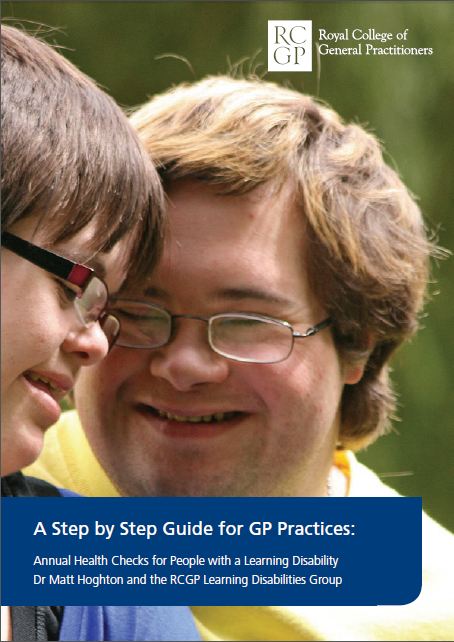
Lack of strategic commitment to annual health checks threatens to widen health inequality for people with learning disabilities
19 Nov 2012
John Northfield
Schizophrenia Commission report highlights what we can all do to improve care and understanding
14 Nov 2012
Andre Tomlin
Use of psychiatric diagnostic tool sharpens understanding of mental health issues in people with learning disability
14 Nov 2012
John Northfield
Risk factors for suicide and accidental death. What can we learn from last episodes of self-harm?
09 Nov 2012
Andre Tomlin
Posts navigation
<<
<
1
2
…
53
54
55
56
57
…
63
64
>
>>