Derek Richards

Profile photo of Derek Richards
Derek Richards is a specialist in dental public health, Director of the Centre for Evidence-Based Dentistry and Specialist Advisor to the Scottish Dental Clinical Effectiveness Programme (SDCEP) Development Team. A former editor of the Evidence-Based Dentistry Journal and chief blogger for the Dental Elf website until December 2023. Derek has been involved with a wide range of evidence-based initiatives both nationally and internationally since 1994. Derek retired from the NHS in 2019 remaining as a part-time senior lecturer at Dundee Dental School until the end of 2023.
Website

Follow me here –

Oral Cancer – DNA-image cytometry may have promise for early detection

herpetic ulcer on tongue

This diagnostic review compared two computer aided adjunctive tests for oral cancer. Oral CDX and DNA-image cytometry. The results suggest that DNA-image cytometry has a highly significant potential over OralCDx brush biopsy as an accurate and simple diagnostic tool for clinically suspected oral precancer and oral cancer.

[read the full story...]

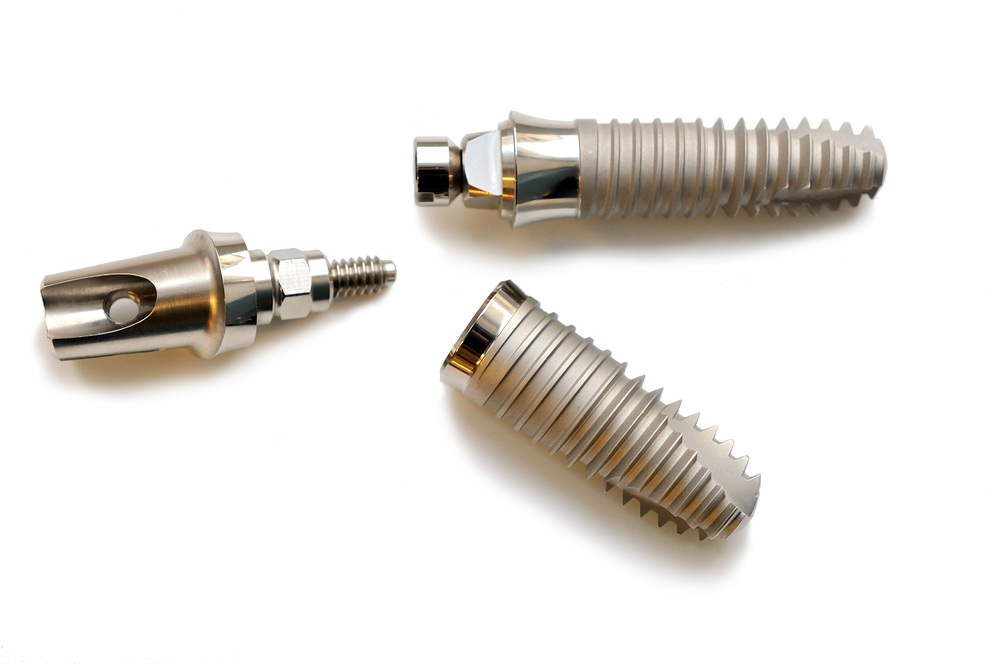
Dental implants in atrophic jaws – shorter implants without augmentation may be the first choice

shutterstock_88585900

Six studies involving a total of 837 implants in 335 patients were included in this review comparing implants in augmented bone with short implants in patients with strophic jaws. The findings suggest better outcomes, fewere failed implants and complications with short implants.

[read the full story...]

Fissure sealants – are self-etch sealants more effective?

shutterstock_80298358

This review looked at whether self-etch adhesive sealants were as effective as traditional acid etching. 5 split-mouth studies were included and they found significantly lower failure rates in the acid etch group. Odds ratio 4.46 (95% CI 1.31, 15.20).

[read the full story...]

Root resorption – no evidence for the effectiveness of available treatments

shutterstock_2724084

This Cochrane review was seeking to identify RCTs of interventions for the management of external root resorption in permanent teeth. No published trials were identified, so clinicians must decide on the most appropriate means of managing this condition according to their clinical experience with regard to patient-related factors.

[read the full story...]

Prevalence of third molar impaction worldwide

shutterstock_75860806

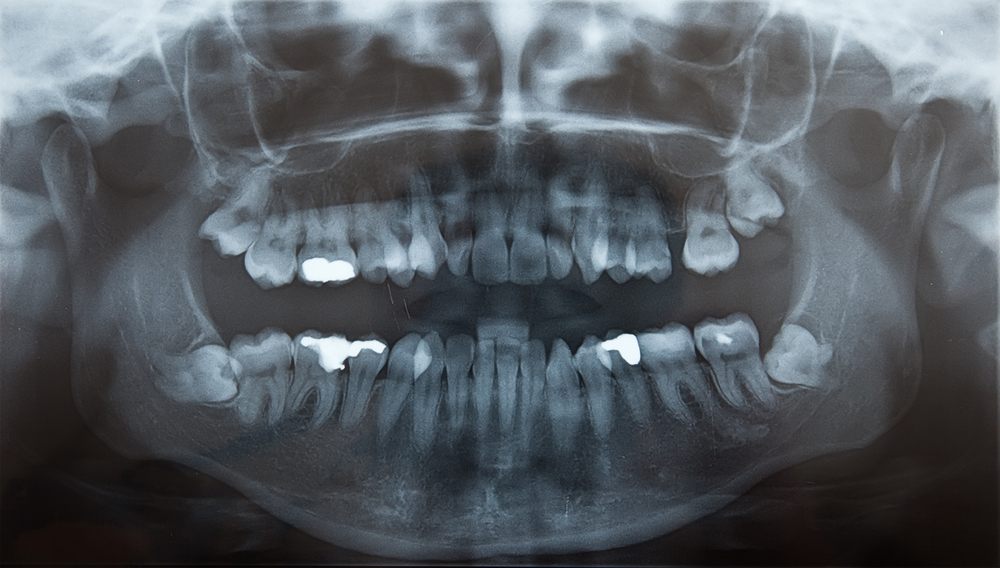
The worldwide prevalence of third molar impaction estimated from this review including 49 studies involving 83,484 individuals was 24.4% (95% CI;18.97% to 30.80%).

[read the full story...]

Third molar removal – does piezoelectric surgery improve outcomes?

shutterstock_37849495

This review of piezoelectric surgery for third molar removal included 9 studies, 6 of which were RCTs. The findings suggest that outcomes were better for piezoelectric surgery but these findings should be viewed cautiously.

[read the full story...]

Periodontal intrabony defect regeneration using platelet-rich plasma

shutterstock_75626410

This review of platelet-rich plasma for intrabony periodontal defects included 21 studies. These were mainly small studies with a marked degree of heterogeneity. They suggest some potential benefits but the findings should be interpreted with caution.

[read the full story...]

Systemic antibiotics for aggressive periodontitis?

shutterstock_113989924  - periodontitis

This review of systemic antibiotics and non-surgical periodontal therapy for aggressive periodontitis included 13 RCTs and suggests a statistically significant benefit compared to non-surgical therapy alone.

[read the full story...]

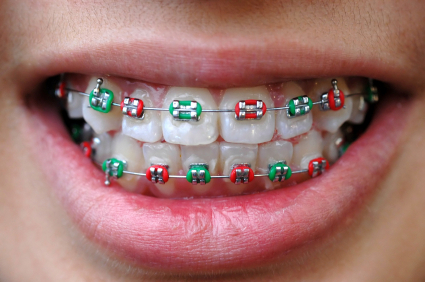
Little research on non-surgical interventions to accelerate orthodontic treatment

iStock_000002551343XSmall colourful braces on teeth

With orthodontic treatment lasting typically 18-24 months, adjunts to accelerate tooth movements would be welcome. This Cochrane review identified two RCTs on non-surgical interventions to accelerate orthodontic treatment. However, both studies were at high risk of bias, so we cannot rely on their findings.

[read the full story...]

Oral Appliances improve obstructive sleep apnoea symptoms

shutterstock_172959194

This review of the use of oral appliances for the treatment of obstructive sleep apnoea identified 17 trials, all but one of which wере randomised. The results suggest significant benefits in respiration and sleep quality, compared to placebo devices or blank control.

[read the full story...]