

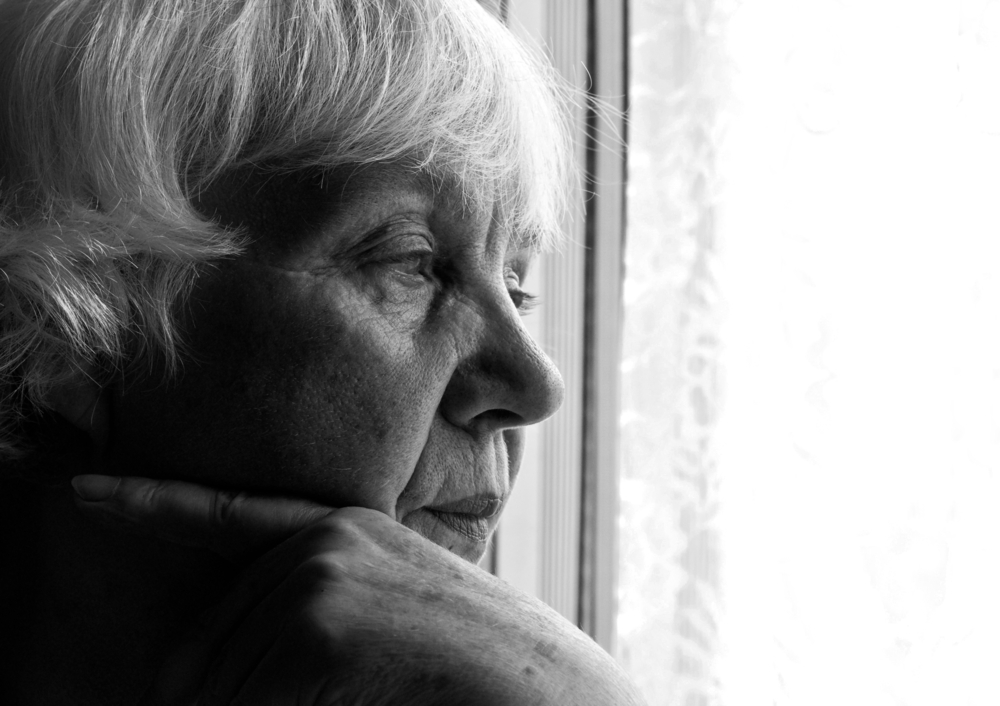

A new review by Pieper et al 2013 aims to provide a comprehensive overview of the research on treatments for both pain and challenging behaviour in people with dementia.
It hinges around the fact that pain is commonly undertreated because it is not easy to recognise unless there is a diagnosed physical cause, and also because dementia sufferers may have great difficulty communicating their pain verbally.
Behavioural signs such as grimacing, guarding, resistance to care, pacing/rocking etc will give clues to the fact that a person with dementia is in pain, but these symptoms can be confused with other common neuropsychiatric symptoms of dementia such as aggression or agitation.
The causes of these behavioural symptoms are different and should be treated appropriately. However, their strong correlation means challenging behaviour irrespective of its cause is often over-treated, frequently with antipsychotic medication which has serious side effects and a harmful impact on quality of life.

By contrast, pain which may be the main cause of challenging behaviour is often undertreated although pain medication is less harmful to this vulnerable population.
Methods
The researchers systematically searched the literature for published studies only. The studies were included in the review if:
- The participants had a diagnosis of dementia: including Alzheimer Disease dementia, vascular dementia, Lewy body disease or frontotemporal dementia
- Focussed on an intervention (including analgesics, other medications, complementary therapies, movement, music therapy) designed to reduce pain and/or challenging behaviour (distress, wandering, aggression, apathy, agitation, depression etc)
- AND included outcome measurements on pain and/or behaviour (used observation or self-rating scales, questionnaires instruments measuring pain and/or behaviour
They excluded studies if they focused on interventions targeting:
- Behaviour, which did not measure pain outcomes
- Pain, but did not measure behaviour outcomes
Results
- After screening the results of their search, the researchers included 16 studies in the review
- 6 studies on a pain intervention targeting pain and/or behaviour: interventions were all analgesic medications including opioids and paracetamol
- 1 study on a behavioural intervention targeting pain: a small study on music therapy
- 9 studies on an intervention targeting both pain and behaviour: including CBT, bathing methods, rocking, person-centred showering/towel bathing
The main thing that struck me when I looked more closely at the characteristics of the included studies was that there were none on antipsychotics; an all too common behavioural intervention. So logically, this means that no studies on antipsychotics for challenging behaviour measured pain as an outcome. On further examination of the Cochrane Dementia Group’s open access register of controlled dementia trials, known as ALOIS, trials on antipsychotics for behaviour also rarely reported any other quality of life outcomes. I find that pretty shocking.

The quality of all 16 studies was assessed using the recently developed but positively evaluated Mixed Methods Appraisal Tool (MMAT), which rated the studies on whether they met four quality criteria on quantitative and qualitative aspects of the study methods. Only one trial met all four criteria for “quantitative randomised” and only one study met all four criteria for “quantitative non-randomized”. No relevant mixed-methods or qualitative studies were identified.
Only published studies were included. No attempt was made by the researchers to access the results of completed but unpublished trials by searching trials registers such as http://clinicaltrials.gov/. This means the results of the review may have been affected by publication bias.
Conclusions
From looking at the relatively small number of 16 trials the researchers said that the evidence suggests that
Pain interventions targeting behaviour and behavioural interventions targeting pain are effective in reducing pain and behavioural symptoms in dementia.
They acknowledged in the discussion that the review’s conclusion should be interpreted with caution as the quality of the studies was moderate and there were big differences between the studies in methodology, interventions and outcome measures used.
My own view
 Until the urgently needed research can be done to try and understand the complex relationship between pain and behaviour in dementia better, it’s clear that better pain assessment and management has got to be an integral part of strategies to manage challenging behaviour.
Right now, what’s stopping the dementia research community and patient advocates raising awareness of this important issue? Guidance should be provided immediately to professional and informal caregivers to help stop the unnecessary suffering caused by the under-detection and under-treatment of pain in people with dementia.
Link
Pieper, M.J.C., et al., Interventions targeting pain or behaviour in dementia: A systematic review. Ageing Res. Rev. (2013) [Abstract]



Naomi
11 years agoHilaryMarmot
12 years agoDrShirleyLock
12 years agoNHFTNHSLibrary
12 years agoRivkahMiar
12 years agoMental_Elf
12 years agoaghoury79
12 years agoalisonlaverfaw
12 years agosamirshah
12 years agomarmalade_magic
12 years agoDrShirleyLock
12 years agoEPGnewsandviews
12 years agoJointProgramme
12 years agoHilaryMarmot
12 years agoHilaryMarmot
12 years agoBethSwanson6
12 years agoBethSwanson6
12 years agokilner100
12 years agoAliDaviesMarsh
12 years agoDr_Derek_Jones
12 years agoxTMarieCx
12 years agoajw19732000
12 years agoAlisonDomakin
12 years agokirstyOT
12 years agoDrMatt001
12 years agoJanetThomas47
12 years agocoyle_mj
12 years agoNHSWatch
12 years agoscwru
12 years agoHHLibService
12 years agoCeartasAdvocacy
12 years agoExtremePsych
12 years agoPogster
12 years agoMental_Elf
12 years agolypftlib
12 years agoiVivekMisra
12 years agoelamenttweet
12 years agogaye_clark
12 years agoMarianne1979
12 years agoAlieshiaCBT
12 years agoCCareStandards
12 years agoComCareRuth
12 years agolypftlib
12 years agoMental_Elf
12 years agoamhsrn
12 years agoTherapywithLiz
12 years agohrh_89
12 years agoALOISCommunity
12 years agoClink67
12 years agoJackie Agang McDonald
12 years agoPaula Gardiner
12 years agoMental_Elf
12 years agoLawsonPamela
12 years agoFrancesMair
12 years agoThe Mental Elf
12 years agoCarina Kirby
12 years agoali_pals
12 years agoelisemattnic
12 years agoAspirantdiva
12 years agoAnnabel_C_Price
12 years agoMonaB897
12 years agoCPPESouthWest
12 years agoannesutcliffe12
12 years agoLeona Allan
12 years agoPosturalcare
12 years agohullodave
12 years agoDeptofNursingSw
12 years agojan_mc13
12 years agoPsyTrainee
12 years agoPogster
12 years agominilass
12 years agoErmintrude2
12 years agocarrieloujones
12 years agoaghoury79
12 years ago