schizophrenia

Schizophrenia is a long-term mental health condition that causes a range of different psychological symptoms. These include: hallucinations (hearing or seeing things that do not exist), delusions (unusual beliefs that are not based on reality and often contradict the evidence), muddled thoughts based on the hallucinations or delusions, and changes in behaviour. Doctors describe schizophrenia as a psychotic illness. This means that sometimes a person may not be able to distinguish their own thoughts and ideas from reality.

Our schizophrenia Blogs

UK survey finds that social firms may help with vocational recovery for people with mental illness

shutterstock_101909887

In the UK it is a shocking statistic that around 80-90% of people with severe mental illness are not in work.  Unemployment impacts negatively not only on the individual, but is also costly to the government. Employment is now embedded in key mental health policy as a central part of recovery. However, despite this, and [read the full story…]

Systematic review: which anti-psychotic medication is the best?

Pills

Schizophrenia is considered a chronic long-term debilitating condition, affecting about 1% of the population. There has been considerable debate about which of the anti-psychotic medications are the best treatments. The debate has usually been structured around typical (older) and atypical (newer) anti-psychotic medications. The revised NICE guidelines (2009) moved towards a more neutral stance between [read the full story…]

Do interventions proven to improve cardiovascular disease outcomes work for individuals with severe mental illness?

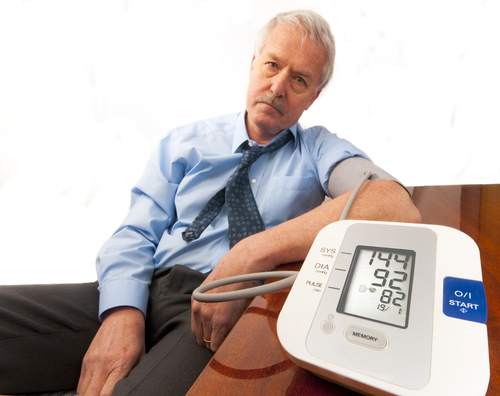
shutterstock_high blood pressure

Individuals with severe mental illness (SMI) have shortened life expectancies compared to the general population. This is partly down to higher rates of chronic physical illness. Cardiovascular disease (CVD) is the leading cause of death among patients using mental health services. It is assumed that interventions used to reduce CVD are similarly effective in patients with [read the full story…]

Cochrane review finds quetiapine is equivalent in efficacy to typical antipsychotics and possibly causes fewer side effects

Antipsychotic medication is the standard treatment for schizophrenia and psychosis in the UK.  Given that psychosis is commonly a chronic condition and therefore that medication used to treat it often needs to be taken for several years, getting the medication “right” is important. As I mentioned in my first blog post for the Mental Elf, [read the full story…]

A Reasoning and Rehabilitation programme reduces verbal aggression and improves problem solving in offenders with psychosis

Stop aggression

Here at the Mental Elf we are always on the look out for research that extends trials into new areas, and offers practical benefits to people recovering from mental illness. Within psychiatric wards violence and challenging behaviour can be extremely distressing, with a 2007 Healthcare Commission report finding that over half of staff and almost half of [read the full story…]

Behavioural weight-loss interventions can be effective for people with serious mental illness, says new RCT

Food on the brain

People with serious mental illness have mortality rates 2-3 times as high as the general population. The primary cause of death is cardiovascular disease, which in turn is due to an extremely high prevalence of obesity (twice that of the overall population). Physical inactivity, unhealthy diets, and weight gain from psychotropic medication are all factors [read the full story…]

Are you really at risk of attack by someone with schizophrenia?

Do not cross

By Rebecca Syed, King’s College London.  A violent attack by someone who is mentally ill quickly grabs the headlines. And it’s usually implied that mental illnesses are a preventable cause of violent crime. Tackle that and we can all sleep safer in our beds. But by pressuring mental health services to focus on the risk [read the full story…]

Meta-analysis finds medium-sized deficit for IQ-change in schizophrenia patients

lightbulb brain

When Kraepelin first described the symptoms of the disorder we now call schizophrenia, he drew particular attention towards the deterioration of cognitive function he observed in his patients and named their condition “dementia praecox”. To this day, cognitive deficits are still regarded as one of the key features of schizophrenia (and related diagnoses), and it [read the full story…]

Joint Crisis Plans to prevent compulsory admissions: a good idea stymied by poor execution?

Doctor and patient talking

Good mental health care should involve the patient in determining their treatment, and should involve the least restrictive form of care possible. Although the Care Programme Approach (CPA) has resulted in patients in England routinely participating in planning their care, compulsory admissions to psychiatric hospitals have continued to rise over the past decade. Involuntary treatment [read the full story…]

Genetic variation is a factor when treating schizophrenia with folate and vitamin B12 supplementation

shutterstock_133184528

Symptoms associated with schizophrenia are often classified into two categories. The classical indicators such as hallucinations, delusions and thought disorder make up the ‘positive’ category whilst apathy and problems with concentration are ‘negative’ symptoms. These negative symptoms have previously been linked to decreased folate levels (Goff et al. 2004) and there is some evidence that [read the full story…]