Derek Richards

Profile photo of Derek Richards
Derek Richards is a specialist in dental public health, Director of the Centre for Evidence-Based Dentistry and Specialist Advisor to the Scottish Dental Clinical Effectiveness Programme (SDCEP) Development Team. A former editor of the Evidence-Based Dentistry Journal and chief blogger for the Dental Elf website until December 2023. Derek has been involved with a wide range of evidence-based initiatives both nationally and internationally since 1994. Derek retired from the NHS in 2019 remaining as a part-time senior lecturer at Dundee Dental School until the end of 2023.

Website

Follow me here –

Dental implants – immediate placement in infected sockets may increase failure rates

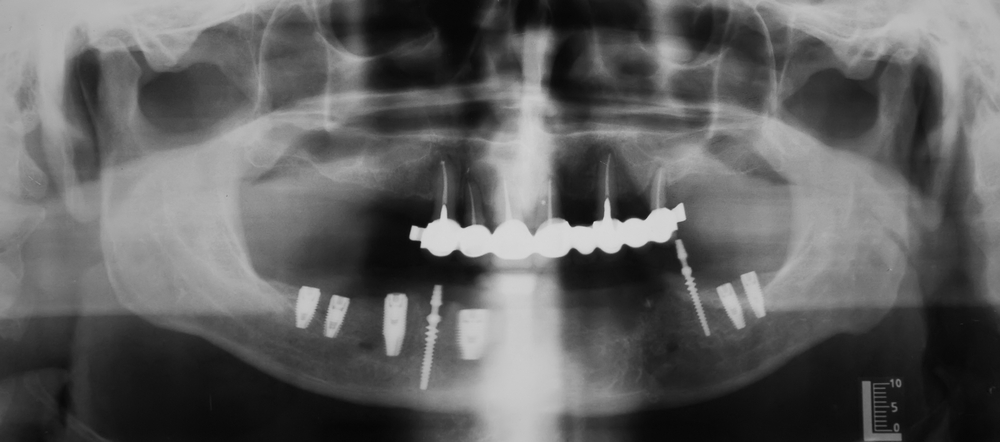
shutterstock_79298812-implant placement

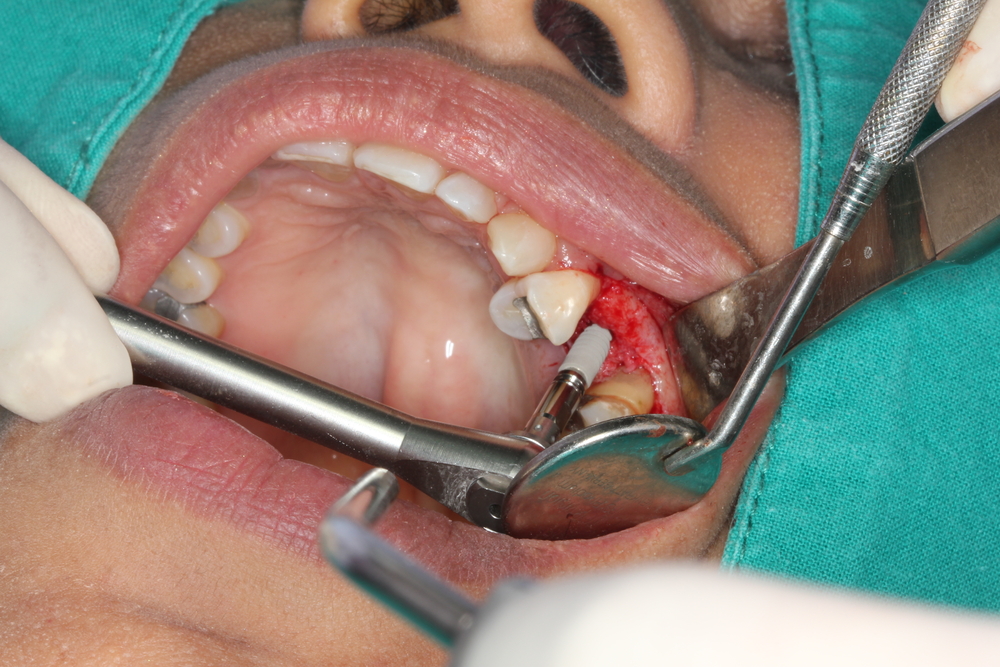
This review of dental implants placed in infected sockets included 7 studies all considered to be a at high risk of bias. The findings suggest that failure rates are higher in infected sockets but the findings should be interpreted with caution.

[read the full story...]

Psychological interventions to improve oral health

This meta-analysis claims to be the first evaluating mindfulness-based interventions in primary care.

This review of psychological interventions to improve oral health identified 9 RCTs reported in 11 papers. A small statistically significant improvement in plaque index was noted but the quality of the available evidence is low. More higher quality studies are needed.

[read the full story...]

Digital study models as reliable as traditional plaster models?

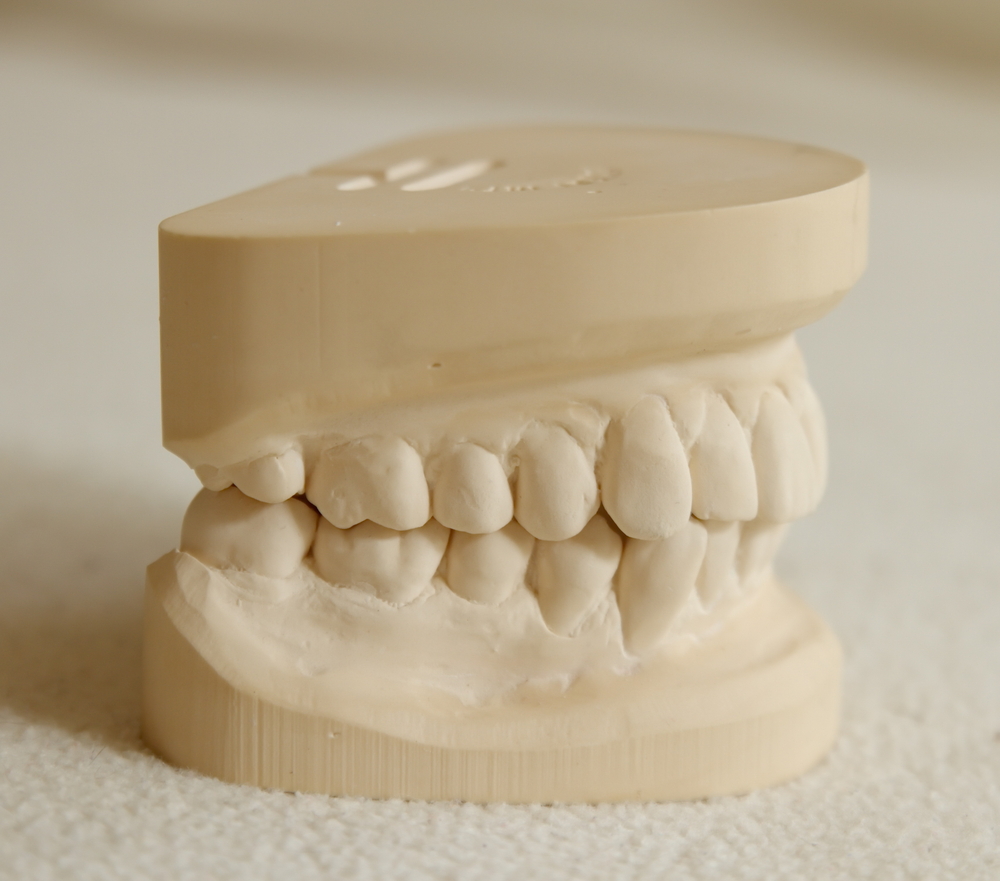
shutterstock_213720811

This latest review of digital orthodontic models includes 35 studies, the majority directly compared digital and plaster models. The overall quality was considered moderate and digital models were considered to be a as reliable as traditional plaster models, with high accuracy, reliability, and reproducibility.

[read the full story...]

Periodontal therapy may increase the efficiency of H. pylori eradication

shutterstock_115897645

7 small studies are included in this Cochrane review which suggests that adjunctive periodontal therapy helps increase the efficiency of H. pylori eradication. OR = 2.15 (95%CI; 1.47 to 3.14)

[read the full story...]

Wide dental implants have good 5-year survival rates suggests review

shutterstock_43147957

8 prospective and 11 retrospective studies were included in this review of wide (≥5 mm) dental implants. Data suggests 5-year survival rates over 92% ( 95%CI; 79.6%- 97.5%).

[read the full story...]

Root canal disinfection –sodium hypochlorite or chlorhexidine as an irrigant?

shutterstock_291173

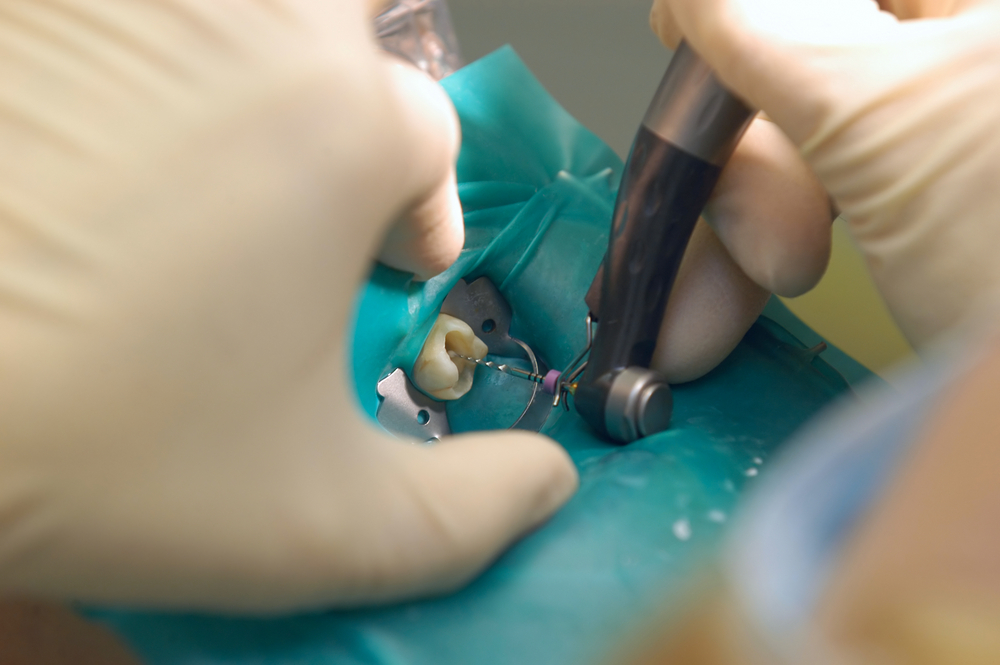
This review only identified 5 small studies that provided insufficient evidence to compare outcomes using sodium hypochlorite and chlorhexidine for root canal disinfection. Additional high quality RCTs are required.

[read the full story...]

Vertical root fracture diagnosis with CBCT – insufficient evidence

shutterstock_2296216-root canal xray

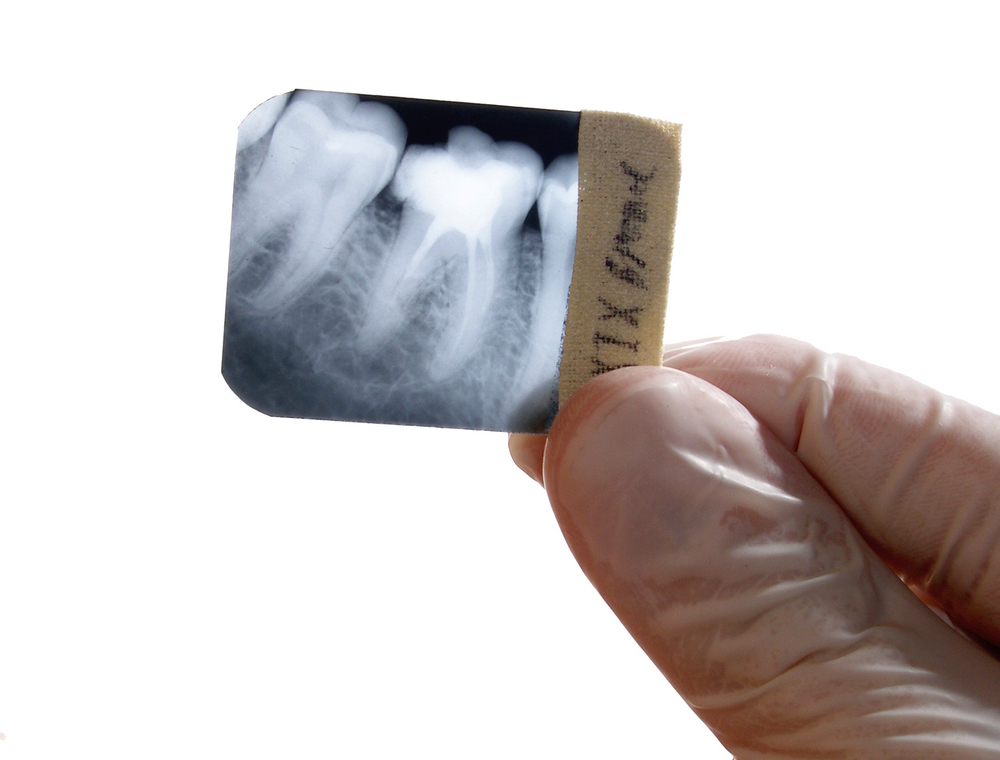
Only 4 small studies at high risk of bias were available for this review of cone-beam computed tomography (CBCT) for diagnosis of vertical root fracture, providing insufficient evidence to suggest that CBCT is a reliable test.

[read the full story...]

Root canal treatment – no differences between single or multiple visit approaches

shutterstock_17046487

This RCT found no differences between single and multiple visit root canal treatment outcomes at 18 months Success rates for single visit treatments were 88.9% compared with 87.4% for multiple visits

[read the full story...]

Vitamin D status and caries associated?

vitd

Data from a cohort of children (6-11 years old) participating in the Canadian Health Measures Survey (CHMS) suggests an association between vitamin D status and dental caries. Children with 25(OH)D concentrations ≥75 nmol/L had a 39% lower odds of having experienced caries.

[read the full story...]

Orthodontic retention – little high quality evidence to recommend any one approach to over another

shutterstock_69850990- vacuum splint

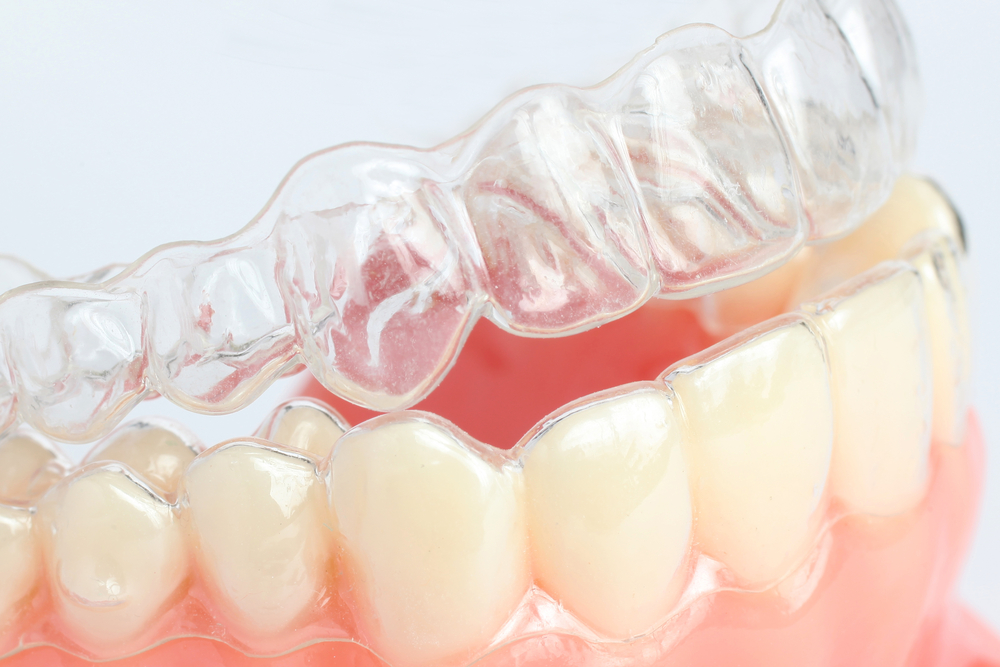
15 studies involving 1722 patients were included in this Cochrane review update on orthodontic retention. However, there was insufficient high quality evidence to make recommendations on retention procedures.

[read the full story...]