Derek Richards

Profile photo of Derek Richards
Derek Richards is a specialist in dental public health, Director of the Centre for Evidence-Based Dentistry and Specialist Advisor to the Scottish Dental Clinical Effectiveness Programme (SDCEP) Development Team. A former editor of the Evidence-Based Dentistry Journal and chief blogger for the Dental Elf website until December 2023. Derek has been involved with a wide range of evidence-based initiatives both nationally and internationally since 1994. Derek retired from the NHS in 2019 remaining as a part-time senior lecturer at Dundee Dental School until the end of 2023.
Website

Follow me here –

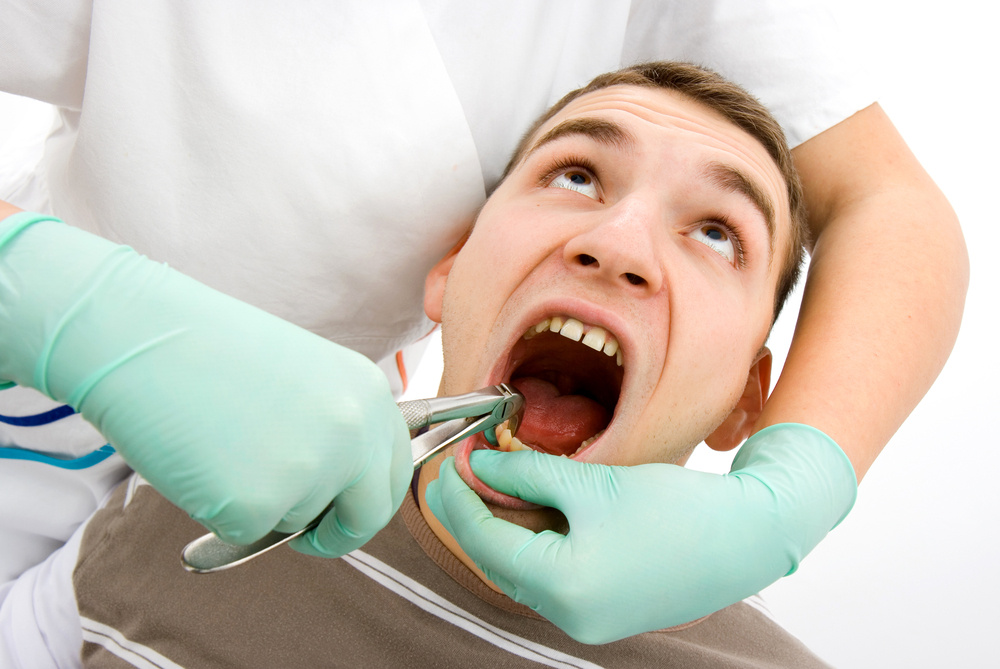
Prolonged bleeding after tooth extraction – no evidence on treatment from trials

shutterstock_42218782

This Cochrane review did not identify any randomised controlled trials that evaluated the effects of different interventions for the treatment of post-extraction bleeding. Clinicians must use their clinical experience to determine the most appropriate means of treating this condition, depending on patient-related factors.

[read the full story...]

Psychological disorders associated with poor oral health

Authors reviewed studies that assessed oral health of people with severe mental illness.

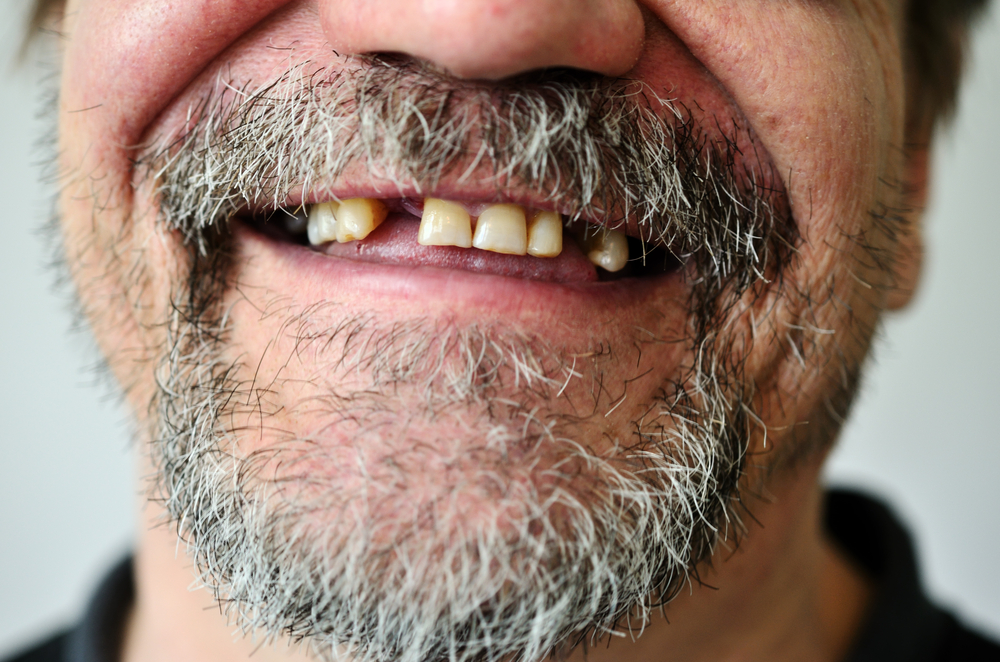
26 studies were included in this review of the association between common psychological disorders and poor oral health. Dental decay and tooth loss were significantly higher in those with common psychological disorders

[read the full story...]

Calcium phosphate plasma-spray-coated dental implants

shutterstock_88585900

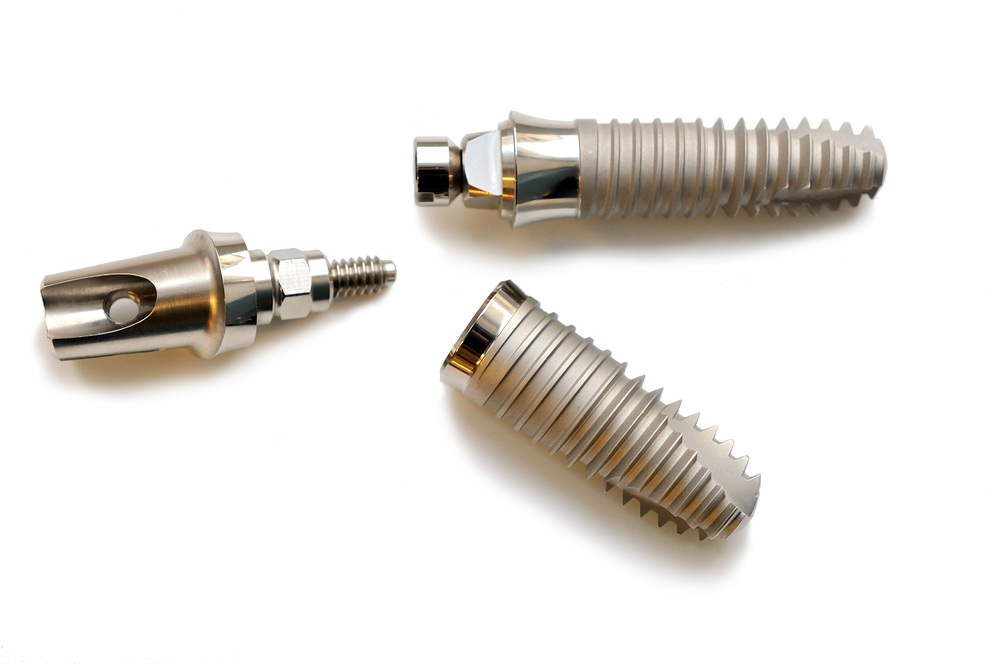
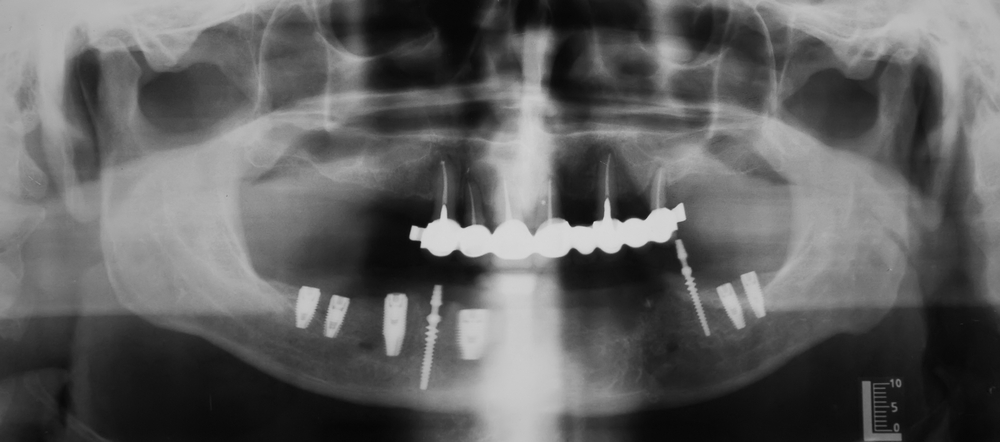
This review of calcium phosphate plasma-spray-coated dental implants includes 8 studies of uncertain quality and suggests 71.1 % success in the maxilla and 72.2 % in the mandible after 10 years.

[read the full story...]

Marijuana use and head and neck cancer risk #CannabisMatters

Cannabis

9 case-controlled studies were included in this review of the effect of marijuana use on head and neck cancer. The findings suggest no association marijuana use and head and neck cancer but other reviews suggest that this may differ by tumour site

[read the full story...]

Periodontal disease associated with persistent cannabis use #CannabisMatters

Cannabis plant

This study of the impact of cannabis use on physical health used participants from the 1972-3 Dunedin birth cohort. An association between cannabis use and poorer periodontal health at age 38 years and within-individual decline in periodontal health from ages 26 to 38 years was found.

[read the full story...]

Impacted canines – insufficient evidence for best surgical approach for good periodontal outcomes

shutterstock_82388884

This review of surgical approaches for the management of labially impacted canines only identified 3 small studies at high risk of bias. These provide insufficient evidence to determine the best approach.

[read the full story...]

Short dental implants show similar outcomes to standard implants in short term

shutterstock_43147957

13 studies (10 RCTs, 3 prospective) were included in this review comparing the outcomes of short and standard dental implants. No difference were seen in studies lasting up to 5 years.

[read the full story...]

Root canal treatment –patient age not a prognostic factor

shutterstock_17046487

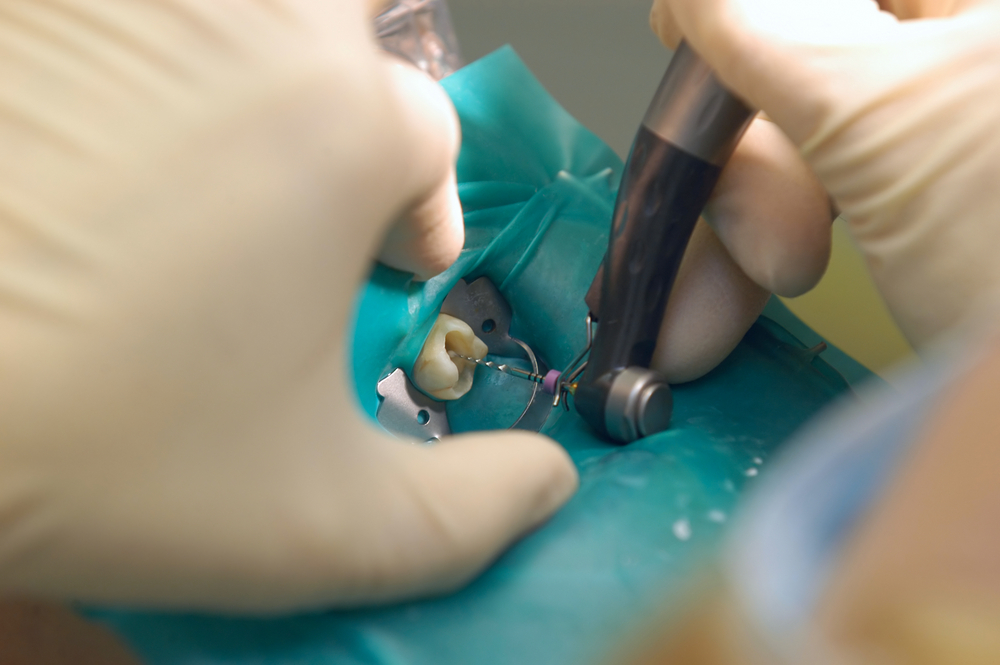
This review of the outcome of root canal treatment in older adults included 24 studies (9 prospective, 15 retrospective) and suggests that outcomes are the same as in younger adults.

[read the full story...]

Chronic periodontitis – probiotics as a adjunct to treatment?

shutterstock_88430440

4 small RCTs of probiotics as an adjunct to scaling and root planing for management of chronic periodontitis were identified for this review. While a statistical significant benefit was demonstrated the limited number of small studies means that these findings should be interpreted with caution.

[read the full story...]

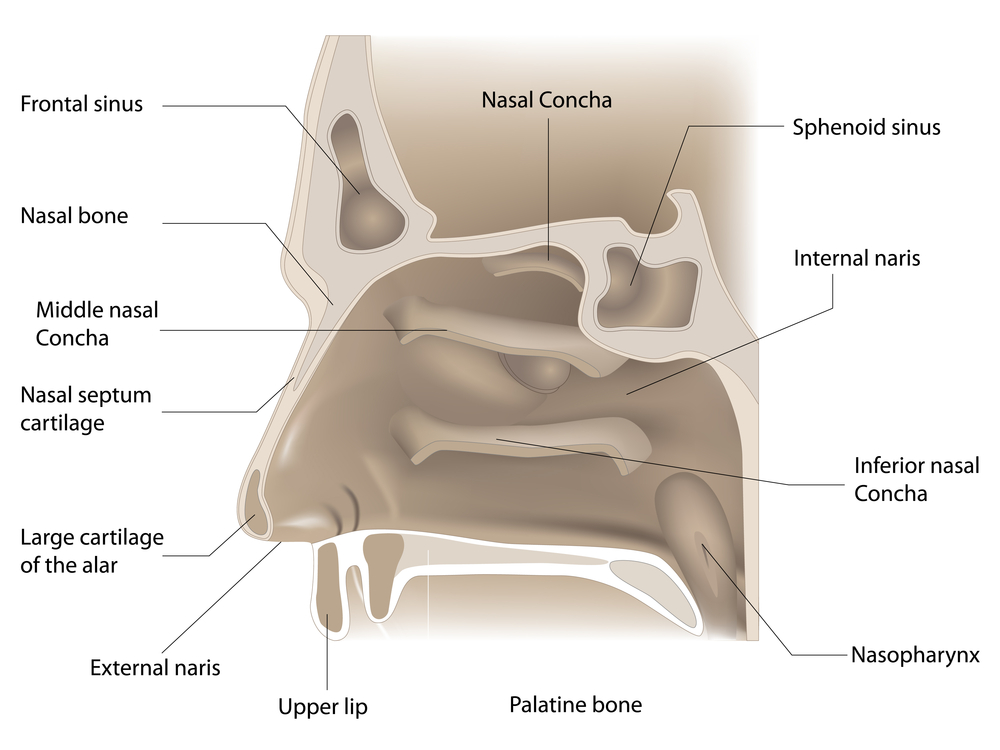
Oro-antral communications – insufficient evidence for treatment approaches

shutterstock_83529121

This Cochrane review of interventions for hte management of or-antral communications only identified 1 small trial which provides insufficient evidence for management of oro-antral communications.

[read the full story...]