Derek Richards

Profile photo of Derek Richards
Derek Richards is a specialist in dental public health, Director of the Centre for Evidence-Based Dentistry and Specialist Advisor to the Scottish Dental Clinical Effectiveness Programme (SDCEP) Development Team. A former editor of the Evidence-Based Dentistry Journal and chief blogger for the Dental Elf website until December 2023. Derek has been involved with a wide range of evidence-based initiatives both nationally and internationally since 1994. Derek retired from the NHS in 2019 remaining as a part-time senior lecturer at Dundee Dental School until the end of 2023.
Website

Follow me here –

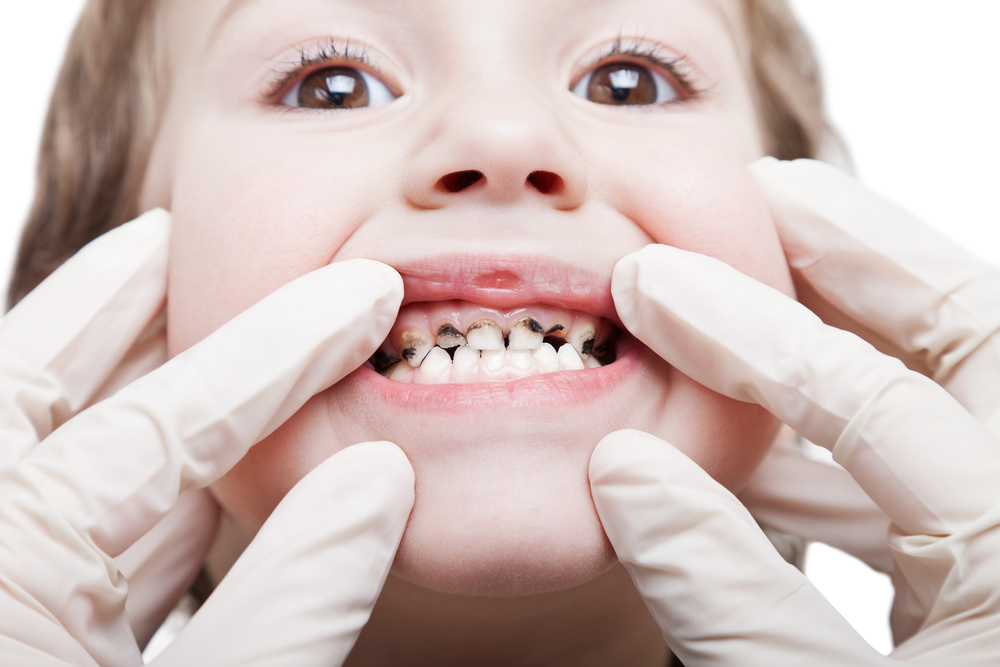
Primary tooth wear in children varies between 10-30% and increases with age, but is less than 10% in permanent teeth

shutterstock_51359269 dentist and patient looking at x-ray

This systematic review was first published in 2010 and The American Dental Association Centre for Evidence-based Dentistry has now published a critical summary of this review. The appraiser noted that that the methodological approach taken was acceptable although it was restricted to a single database and to publications in English.  The review found that the [read the full story…]

Topical use of chlorhexidine may prevent dry socket

shutterstock_37849495 -impacted wisdom teeth

This review was first published in 2009 . The American Dental Association Centre for Evidence-based Dentistry has now published a critical summary of this review. The original review included 12 clinical trials involving 1818 patients and concluded that a twice-daily regimen of Chlorhexidine gel (0.2 percent) applied every 12 hours for seven consecutive days can [read the full story…]

Adaptive devices and orofacial exercise improve gingival health in adults with systemic sclerosis

shutterstock_2345735-powered toothbrush

Medical treatment of systemic sclerosis (SSc), and its complications involves the use of immunosuppressants and calcium channel blockers which are known to increase the risk of developing gingival hyperplasia . In addition defective vascularity and alterations of the  microcirculation of the gingival tissues may lead to gingival inflammation. Sicca symptoms (including dry mouth) are also [read the full story…]

Tooth loss three times higher in people with serious mental illness

Depression

This review was initially picked up by our colleagues over at the Mental Elf who published this on their blog on 7th September. People with severe mental illnesses like schizophrenia or bipolar disorder are over three times more likely to lose their teeth because of poor oral health than the general population. The research, published [read the full story…]

Inferior or double temporomandibular joint spaces injection technique better than superior space injection

shutterstock_29890228

The temporomandibular joint  has 2 unconnected cavities, superior and inferior, partitioned by the articular disc. The superior space injection (SSI) of  was the commonly used technique for temporomandibular disorders (TMD) . Recently, some researchers found that inferior space injection (ISI) or double spaces injection (DSI), ie, both upper and lower spaces being injected at 1time, [read the full story…]

Tranexamic acid in an irrigant fluid did not reduce blood loss during orthognathic surgery

shutterstock_16140466

Choi  in a trial in 2009 found that an intravenous bolus administration of tranexamic acid at 20 mg/kg reduces blood loss compared with placebo during bimaxillary osteotomy.  The aim of this trial was to test whether the use of tranexamic acid in an irrigant fluid would decrease blood loss during orthognathic surgery Forty patients undergoing [read the full story…]

Motivational intervention integrated into the care of vulnerable patients with facial injury can reduce illicit drug use behaviour

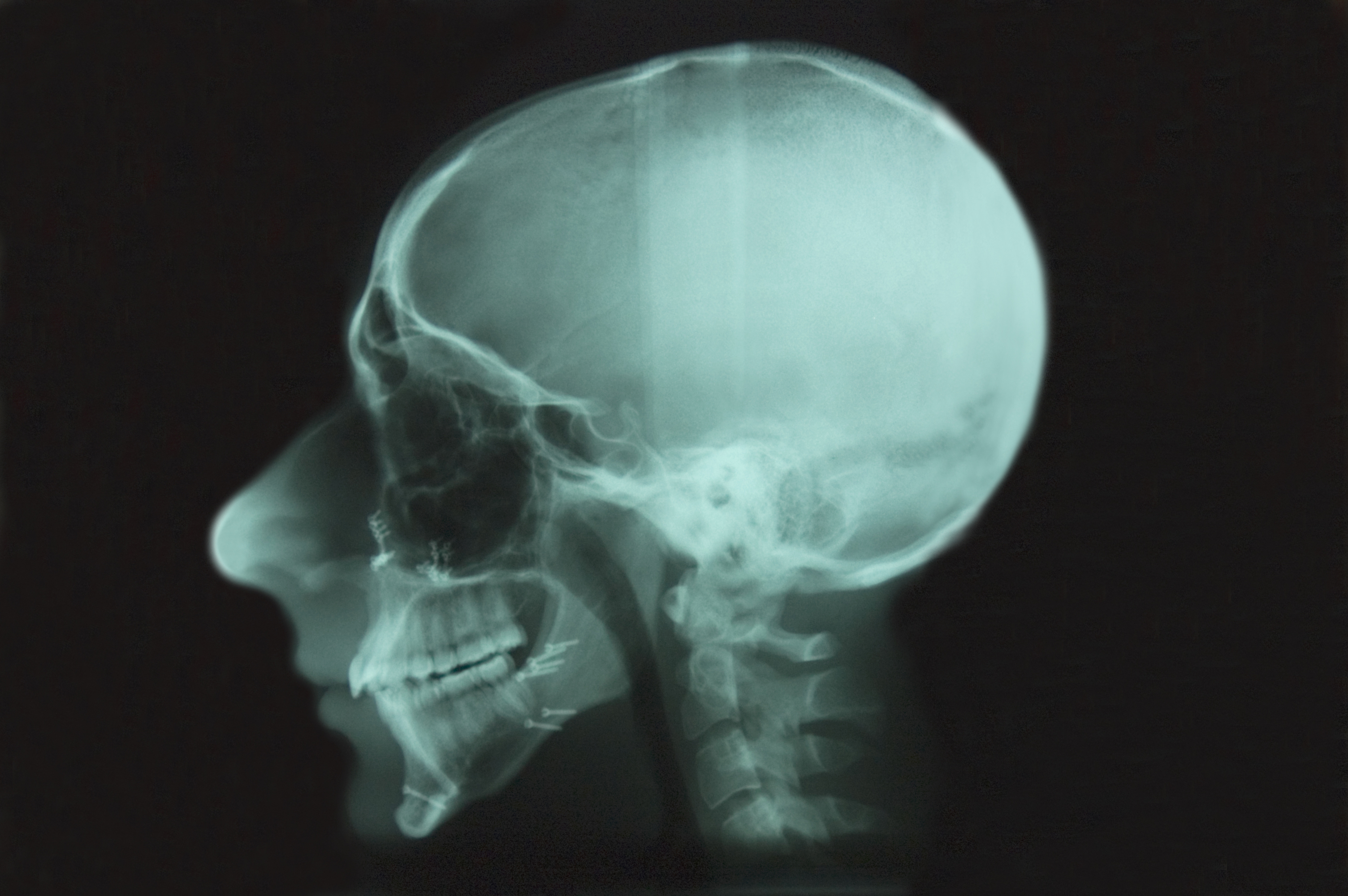
shutterstock_73694959-CT Scan Skull

The use of illicit drugs or alcohol(substance using)  is a  most common precipitator of facial injuries among socioeconomically disadvantaged populations.  Reducing these risky behaviours could improve outcomes and reduce potential for reinjury.   The aim of this study was to assess whether a culturally competent, personalized motivational intervention incorporated into surgical care could significantly reduce existing [read the full story…]

4% articaine without epinephrine is a suitable anaesthetic agent for mandibular extractions

shutterstock_17571817- injection

Articaine is a common local anaesthetic agent that shows  greater lipid solubility than lidocaine, allowing enhanced diffusion through nerve sheaths. It also has an increased potency compared with lidocaine.   The aim of this study was to compare the anaesthetic efficacy of 4% articaine with epinephrine (1:100,000) and without epinephrine in inferior alveolar nerve block anaesthesia [read the full story…]

Evidence for the best methods to treat anterior crossbites lacking

shutterstock_41854831 - removable orthodontic appliance

The aim of this review was to identify the appropriate treatment for the correction of anterior crossbite. The authors searched in Scopus, Medline, Cochrane Library, Embase and Psychinfo databases for studies involving Children in the primary or mixed dentition with an anterior crossbite affecting one or more incisors, and no underlying skeletal class III discrepancy.  [read the full story…]

No clinical justification for replacing conventional toothbrushes with more expensive models

shutterstock_26227375 toothbrushes and toothpaste

The aim of this single-blind cross-over study was to compare the performance of three different toothbrush models in the control of dental biofilm and maintaining a healthy gingival condition. The sample was randomly divided into three groups (A, B and C), each of which used one of the three toothbrushes tested. The brushes had bristles [read the full story…]