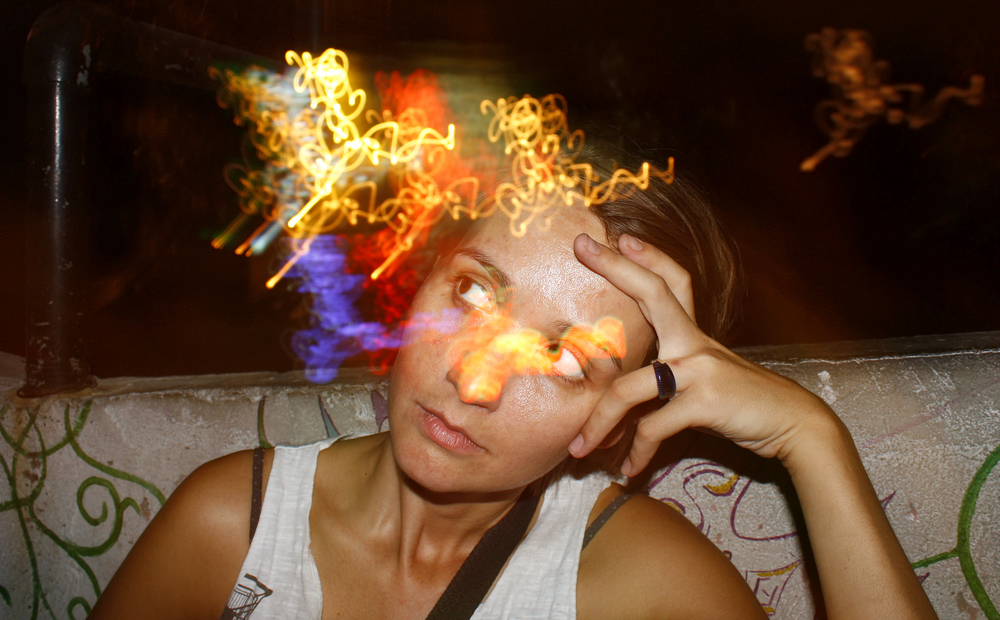
schizophrenia

Schizophrenia is a long-term mental health condition that causes a range of different psychological symptoms. These include: hallucinations (hearing or seeing things that do not exist), delusions (unusual beliefs that are not based on reality and often contradict the evidence), muddled thoughts based on the hallucinations or delusions, and changes in behaviour. Doctors describe schizophrenia as a psychotic illness. This means that sometimes a person may not be able to distinguish their own thoughts and ideas from reality.

Our schizophrenia Blogs

The Calgary Depression Scale for Schizophrenia is the best instrument for diagnosing depression in schizophrenia

shutterstock_78612907

Depression can be difficult to detect and diagnose and this difficulty only increases when other mental health conditions are also present. This systematic review conducted by a team of researchers from Groningen in the Netherlands, set out to identify the best instrument for diagnosing depression in people with schizophrenia. Their concern was that some diagnostic [read the full story…]

Cannabis use reduces thalamic volume in people at risk of schizophrenia

Adult Bum Lighting a Spliff

Using cannabis can lead to a loss of brain volume in people who are at risk of developing schizophrenia, according to a study published in the November issue of the British Journal of Psychiatry. The finding by researchers from the University of Edinburgh could be important in understanding more fully the link between cannabis use [read the full story…]

Creativity is associated with mental disorder, says new study

butterfly

New research shows people with bipolar disorder (and siblings of people with schizophrenia and bipolar disorder) are more likely to work in creative professions. The study, published in the November issue of the British Journal of Psychiatry, lends further support to the commonly-held view that creativity is associated with mental disorder. Researchers from the Karolinska [read the full story…]

Middle-aged smokers with schizophrenia are significantly more likely to die from cardiac disease

Smoking man

We know from epidemiological studies that people with schizophrenia are 2-3 times more likely to smoke than the rest of the population.  We also know that schizophrenia is associated with a higher risk of coronary heart disease. This retrospective cohort study carried out by researchers from the University of Maryland set out to explore the impact [read the full story…]

Simulated hallucinations increase empathy towards people with schizophrenia, but also increase the desire for social distance

shutterstock_19550983 hallucination

It’s well documented that people with severe mental health conditions such as schizophrenia, suffer from stigmatisation on a regular basis. Stigma can be caused by ignorance or a lack of knowledge about a disease. As the actress Shirley Maclaine once said: Fear makes strangers of people who would be friends. Researchers have developed a number [read the full story…]

The majority of schizophrenia patients in Finland stop taking their antipsychotics within 60 days of discharge

shutterstock_38348971

We know that many people who take antipsychotic drugs find it difficult to cope with the side effects of the medication and this often leads to them stopping their treatment. This large Finish cohort study examines the risks of rehospitalisation and drug discontinuation in patients recently diagnosed with schizophrenia who have been prescribed antipsychotics. The [read the full story…]

Study highlights growing need for secure long-term in-patient psychiatric rehabilitation

We need to include the risk of crime victimisation, as well as perpetration, in mental health clinical assessments.

Inpatient psychiatric rehabilitation is needed for about 1% of people with severe mental illnesses such as schizophrenia. Patients are cared for within a rehabilitation centre, sometimes attached to a hospital. The aim is to help these patients recover so that they can be discharged into the community. There is huge variation in the amount of [read the full story…]

The evidence remains weak for aripripazole as a treatment for schizophrenia

shutterstock_71940754 scales of justice

First generation typical antipsychotics (e.g. chlorpromazine and haloperidol) have historically been used a great deal to treat people with schizophrenia. More recently, second-generation atypical antipsychotics (e.g. risperidone and olanzapine) have been more frequently used. For many, these drug therapies help to reduce psychotic episodes and the overall impact of the illness, but not all patients [read the full story…]

New consensus guidelines on the pharmacological treatment of schizophrenia

shutterstock_11411980 consensus

The British Association for Psychopharmacology regularly publish consensus guidelines on the pharmacological treatment of mental health conditions. In the last two years these publications have included guidance on insomnia (PDF), dementia (PDF) and bipolar disorder (PDF). The latest guideline from the BAP is on the pharmacological treatment of schizophrenia and as usual it’s available in full-text [read the full story…]

Tooth loss three times higher in people with serious mental illness

shutterstock_3909307 middle aged man with missing teeth

People with severe mental illnesses like schizophrenia or bipolar disorder are over three times more likely to lose their teeth because of poor oral health than the general population. The research, published in the September issue of the British Journal of Psychiatry, shows that psychiatric patients have not shared in recent improvements in dental health. [read the full story…]