Derek Richards

Profile photo of Derek Richards
Derek Richards is a specialist in dental public health, Director of the Centre for Evidence-Based Dentistry and Specialist Advisor to the Scottish Dental Clinical Effectiveness Programme (SDCEP) Development Team. A former editor of the Evidence-Based Dentistry Journal and chief blogger for the Dental Elf website until December 2023. Derek has been involved with a wide range of evidence-based initiatives both nationally and internationally since 1994. Derek retired from the NHS in 2019 remaining as a part-time senior lecturer at Dundee Dental School until the end of 2023.

Website

Follow me here –

Non-surgical periodontal therapy – which antibiotic regime?

shutterstock_64158991 question mark pills tablets

This review of amoxicillin & metronidazole as an adjunct to non-surgical periodontal treatment included 18 trials . A small benefit was seen with antibiotic use but no clinically meaningful difference between different doses or duration of amoxicillin-plus-metronidazole at 3 months post-treatment.

[read the full story...]

Complete dentures: which occlusal scheme is best?

shutterstock_24108289

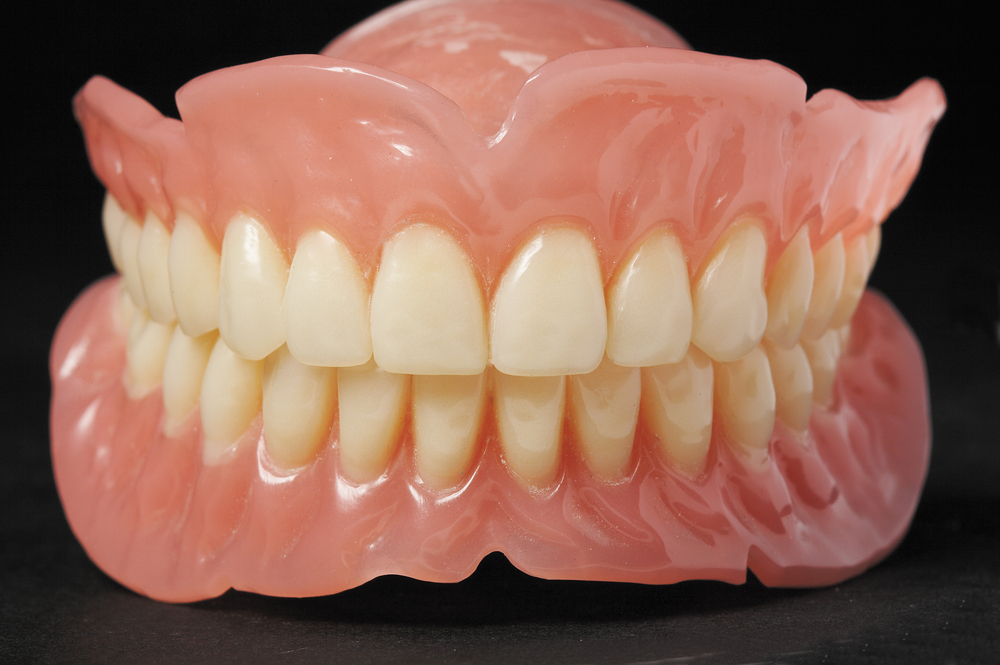
17 studies (11 RCTs) were included in this review of occlusal schemes for complete dentures suggesting that bilateral balanced occlusion does not confer better quality of life/satisfaction or masticatory performance and muscle activity.

[read the full story...]

Phytotherapy as an adjunct to nonsurgical periodontal treatment?

shutterstock_2584741

7 small RCTs that majority of cross-over design were included in this review of phytotherapy as an adjunct to scaling and root planing for chronic periodontitis. While the findings suggest a benefit these should be viewed with caution until results from larger high quality studies are available.

[read the full story...]

Orthodontic pain: Is low level laser therapy effective?

shutterstock_101866108

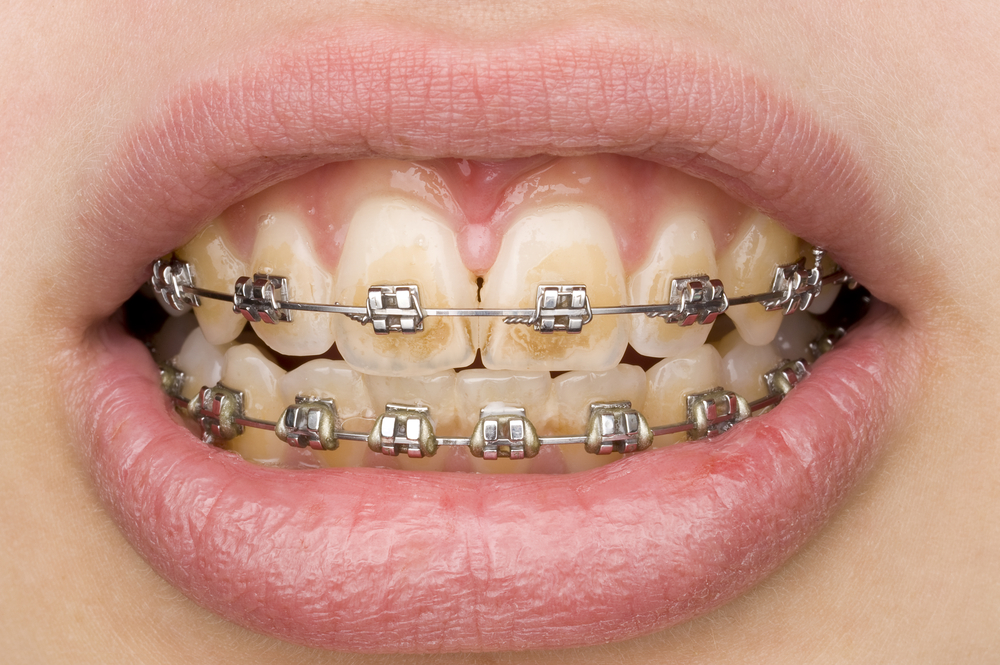
20 RCTs were included in this review of low level laser therapy (LLLT) for orthodontic pain. While the findings suggest a benefit a majority of the studies were at high risk of bias so the findings should be interpreted cautiously.

[read the full story...]

Dementia and oral health

we need to ensure even more so that care staff feel capable and happy in doing what can be a stressful and demanding, as well as rewarding job, so that the residents with dementia are also well looked after and happy

This review of the oral health status of dementia patients included 36 observational studies and highlights the high levels of plaque and many soft tissue related oral health problems suffered by this group of patients.

[read the full story...]

Silver diamine fluoride for caries in primary teeth

shutterstock_90529192

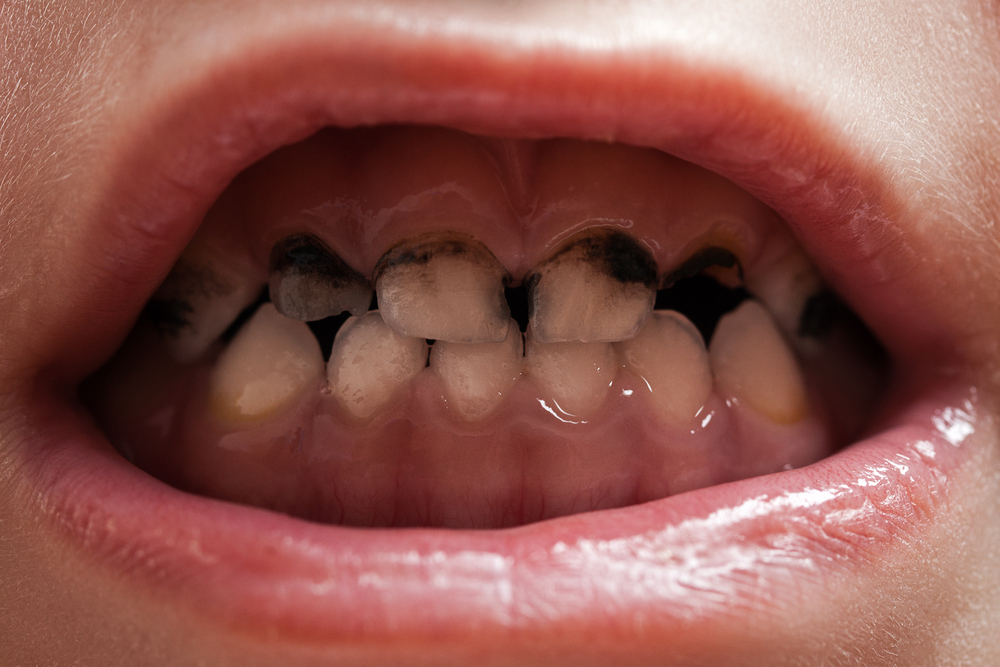
This review of the effectiveness of silver diamine fluoride (SDF) in arresting caries included 11 studies with 4 contributing to a meta-analysis showing it to be more effective than other active agents and placebo.

[read the full story...]

Fissure sealing using flowable composite

Fissure sealant

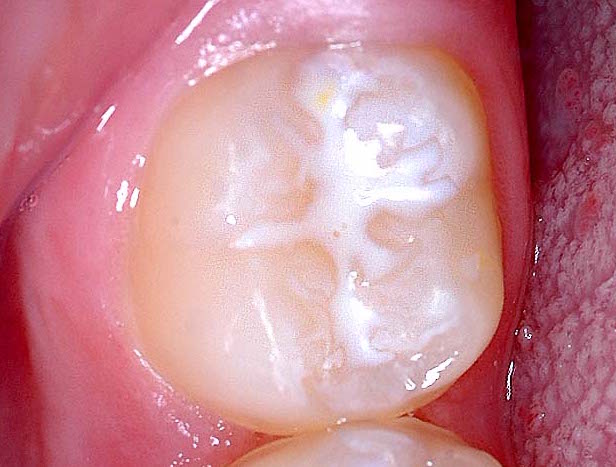
This review of fissure sealing using flowable composite included 11 studies and suggests retention rates at 1 year may be slightly better than resin-based sealants. However, the findings should be interpreted cautious as the confidence intervals are wide and quality of the studies is limited.

[read the full story...]

Orthodontic space closure – en masse or two-step retraction

shutterstock_147687233

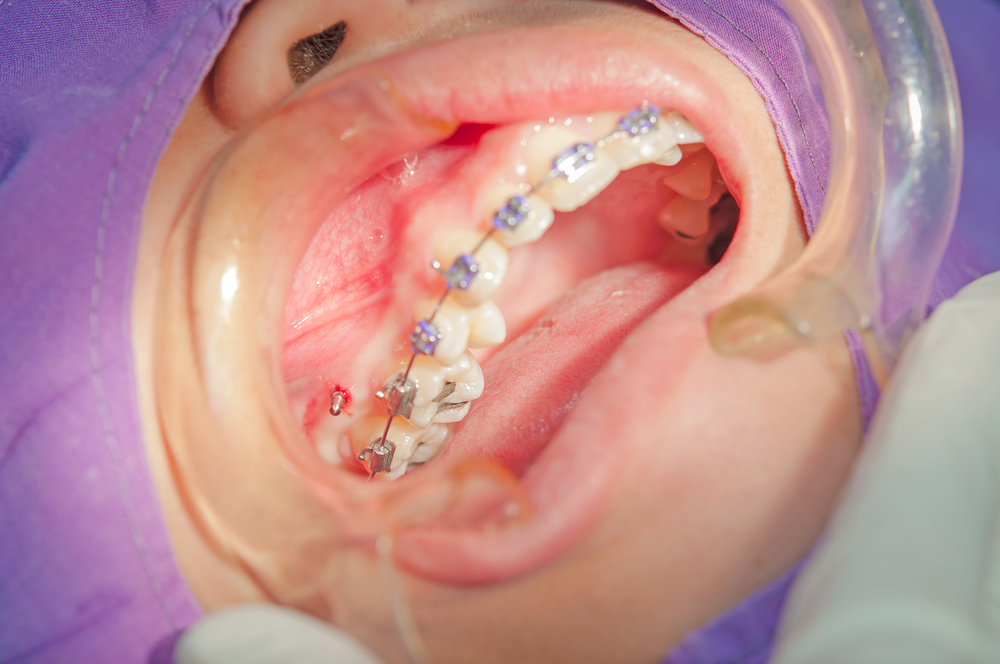
8 small studies were included in this review comparing en masse retraction and two-step retraction for orthodontic space closure. While both were effective the en masse/miniscrew combination demonstrated a small statistically significant benefit in terms of incisor retraction and anchorage preservation.

[read the full story...]

Mandibular angle fractures – Do third molars have an influence?

shutterstock_128576303

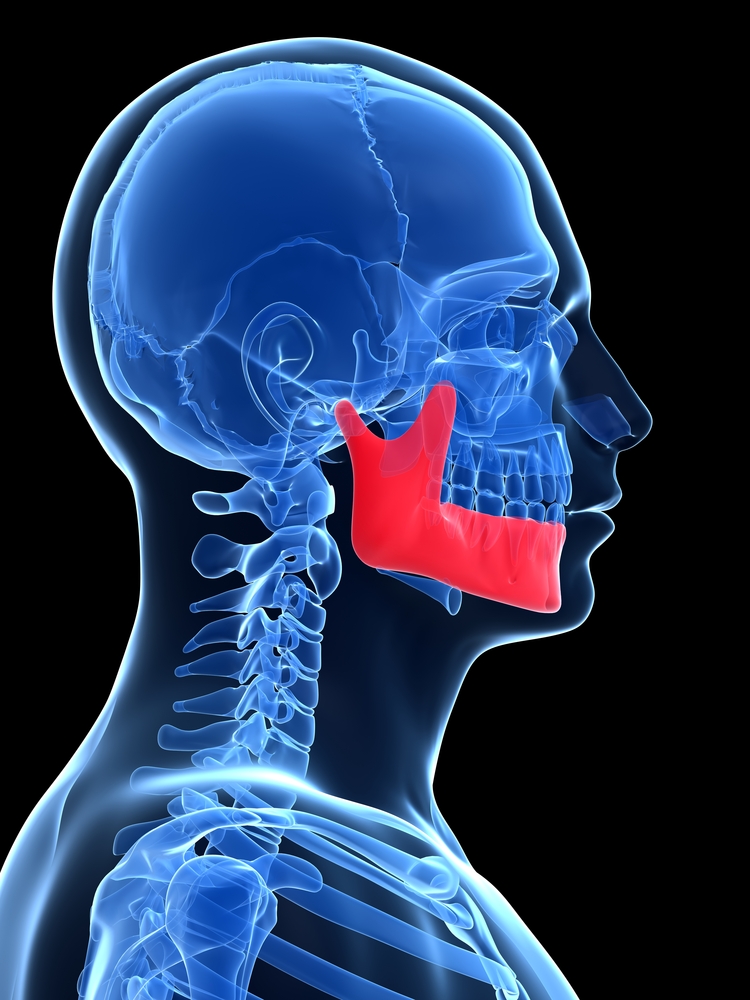
16 observational studies were included in this review of the association between the presence of a lower third molar and the occurrence of a mandibular angle fracture in adults. The findings suggest that the odds of fracture are 3.16 (95%CI; 2.2- 4.54) higher in the presence of third molars

[read the full story...]

Third molar extraction – does platelet-rich fibrin improve outcomes?

shutterstock_133048361

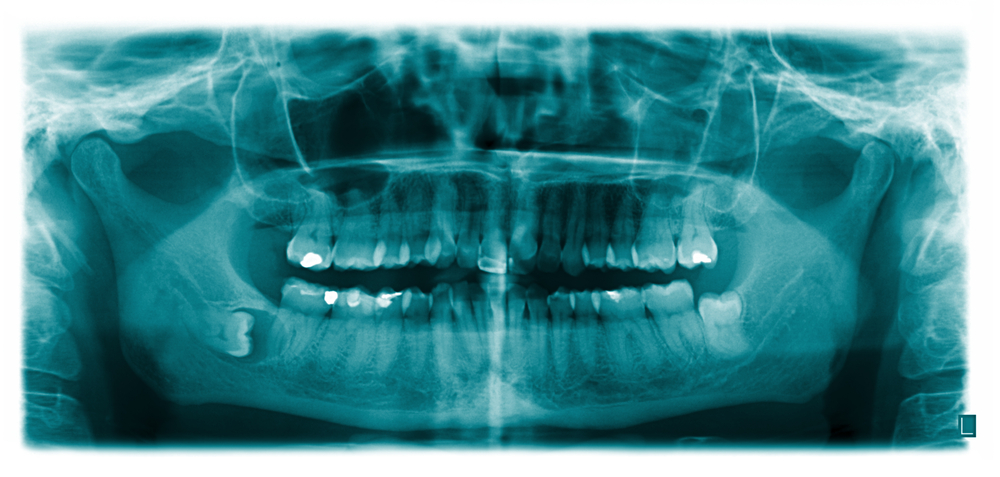
6 studies were identified for this review of platelet-rich fibrin to improve outcomes after third molar extraction. The studies were small with contradictory findings so further high quality studies are needed.

[read the full story...]