Derek Richards

Profile photo of Derek Richards
Derek Richards is a specialist in dental public health, Director of the Centre for Evidence-Based Dentistry and Specialist Advisor to the Scottish Dental Clinical Effectiveness Programme (SDCEP) Development Team. A former editor of the Evidence-Based Dentistry Journal and chief blogger for the Dental Elf website until December 2023. Derek has been involved with a wide range of evidence-based initiatives both nationally and internationally since 1994. Derek retired from the NHS in 2019 remaining as a part-time senior lecturer at Dundee Dental School until the end of 2023.

Website

Follow me here –

Botulinum toxin for bruxism

shutterstock_1997703

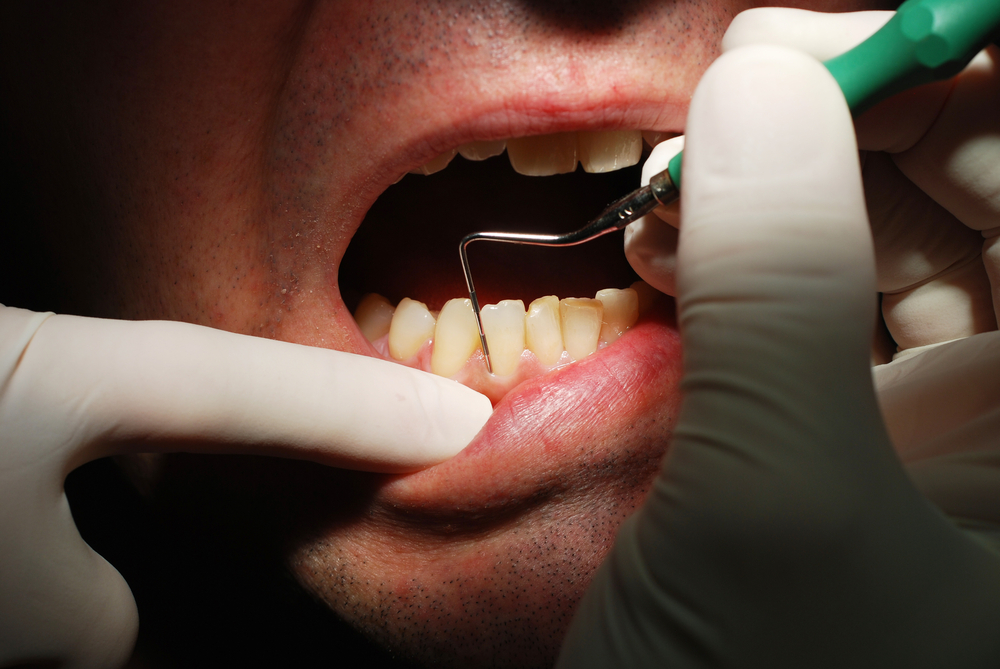
Bruxism can be classified as primary (idiopatic) or secondary (iatrogenic).  While secondary bruxism is associated with medical conditions (e.g. neurologic, psychiatric, sleep disorders medication), primary bruxism ( which includes clenching and sleep bruxism ) is not. Dental treatments for bruxism include occlusion adjustment, tooth surface restoration, and orthodontic treatment. These interventions are extensive and irreversible [read the full story…]

Increasing the pH of lidocaine solution decreases pain on injection and improves patient comfort and satisfaction

shutterstock_17571817- injection

This is a critical appraisal of a Cochrane review first published in December 2010.  The appraisal was prepared under the auspices of the American Dental Associations Centre for Evidence-based Dentistry The objective of the Cochrane review was to determine if adjusting the pH of lidocaine had any effect on pain resulting from non-intravascular injections in [read the full story…]

New Cochrane Protocols March 2012

Logo of The Cochrane Collaboration

March sees another two protocols registered with the Cochrane Oral Health Group.  The protocols are available on the Cochrane Library Parnell C, Gugnani N, Sherriff A, James P, Beirne PV. Non-fluoride topical remineralising agents containing calcium and/or phosphate for controlling dental caries (Protocol). Cochrane Database of Systematic Reviews 2012, Issue 3. Art. No.: CD009732. DOI: [read the full story…]

Evidence for dietary advice aiming to change sugar consumption is poor

shutterstock_3248986-sugar pile

Sugars, particularly sucrose, are the most important dietary aetiological cause of dental caries. The evidence establishing sugars as an aetiological factor in dental caries is substantial.  This Cochrane review aimed to look more broadly at whether one-to-one dietary interventions were effective in changing dietary behaviour, as the dental care setting is an appropriate place to [read the full story…]

Weak evidence that oral midazolam is an effective sedative for children undergoing dental treatment

Logo of The Cochrane Collaboration

Sadly,  despite the fact that dental caries is preventable and industrial nations have seen substantial falls in recent years there are still significance numbers of children with dental caries that remains untreated.   While many of these can be managed with routine care other need additional behavioural management support, sedation or for a small (but significant) [read the full story…]

Denture stomatitis in patients with removable partial dental prostheses

shutterstock_67570366-partial denture

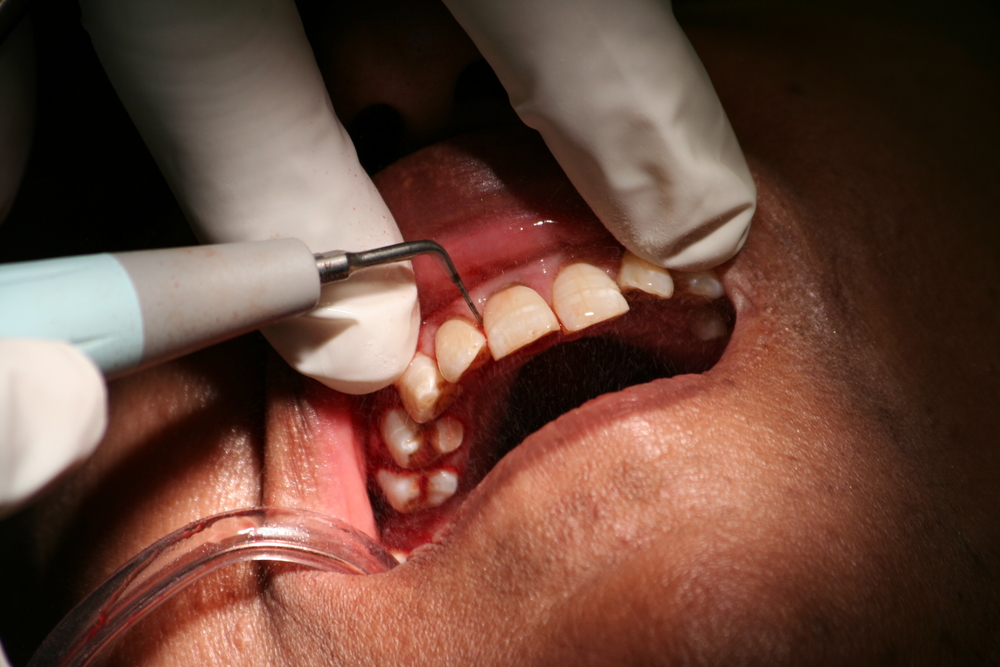
The aim of this systematic review was to analyse the evidence on the occurrence of denture stomatitis (DS) and potential risk factors in patients wearing partial removable dental prostheses (RDPs). The Medline, EMbase, the Cochrane Central Register of Controlled Trials, and the Cochrane Database of Systematic Reviews were searched. This was supplemented by manual searching. [read the full story…]

Oral health care and aspiration pneumonia in frail older people

shutterstock_2345735-powered toothbrush

A number of previous studies have highlighted the risk of poor oral health as a potential risk factor for aspirational pneumonia in frail older people. The aim of this review was to review the literature on oral health care interventions in frail older people and the effect on the incidence of aspiration pneumonia. The authors [read the full story…]

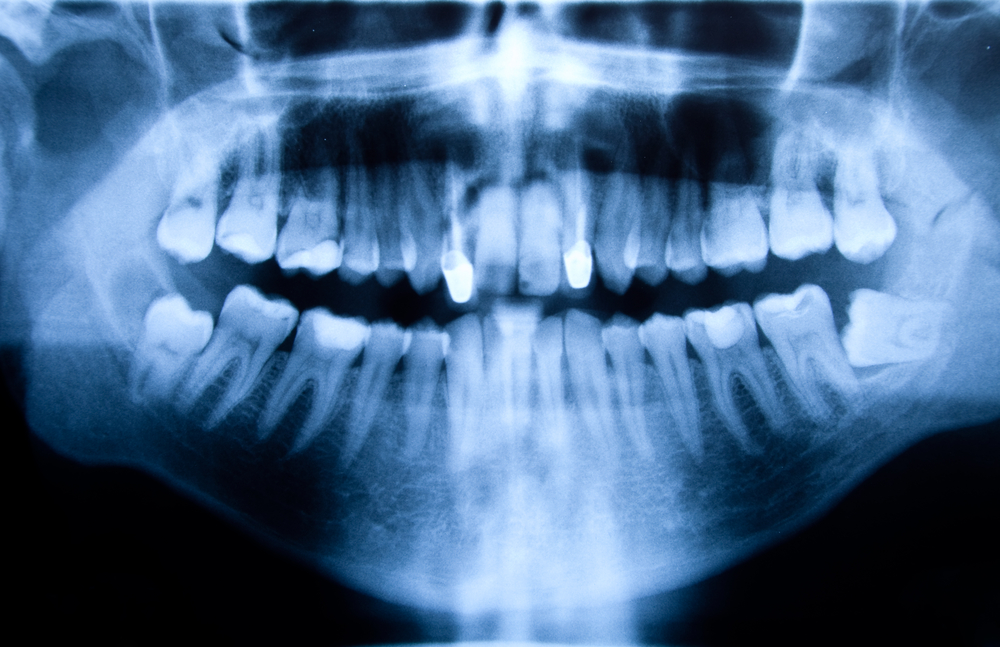
Limited evidence suggests no difference between lingual split and surgical bur techniques for wisdom tooth extractions

shutterstock_37849495 -impacted wisdom teeth

The merits of the lingual split techniques verses the surgical bur for the extraction of impacted mandibular third molars have been debated for many years. The aim of this review was to compare the post-operative outcomes of the lingual split and the surgical bur techniques. The authors searched the PubMed, Ovid MEDLINE, and Cochrane CENTRAL [read the full story…]

Short term data suggest zirconia-based fixed dental prostheses may be an alternative to metal ceramic prostheses

shutterstock_24547402-bridge on model

Zirconia is a polycrystalline ceramic without a glassy phase and exists in several forms. Recently, zirconia has been used to fabricate ceramic fixed dental prosthesis FDPs with relatively high strength and good aesthetics.  The aim of this systematic review was to assess zirconia-based FDPs in terms of survival and complications. Veneering techniques for porcelain application [read the full story…]

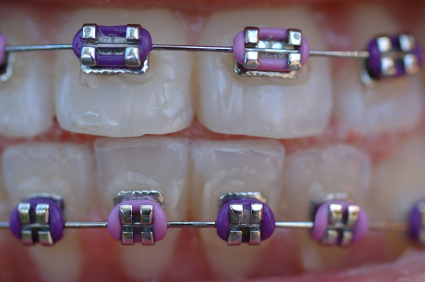
Four types of orthognathic patient; metamorphosizers, pragmatists, shedders, and evolvers

shutterstock_75384373

Abnormalities of the jaws and dentition that may constitute a hazard to the maintenance of oral health, and interfere with general well-being of the individual by adversely affecting dentofacial aesthetics, mandibular function, or speech can be defined as dentofacial deformities.  Treatment ( orthognathic ) usually involves combination of orthodontic and surgical treatment.  Satisfaction rates are [read the full story…]