




In a previous blog we looked at the burden of musculoskeletal conditions.
Four common forms of rheumatic diseases have been described: i. Osteoarthritis (estimated prevalence of 27 million), ii. Rheumatoid arthritis (estimated prevalence of 1.5 million), iii. Fibromyalgia (estimated prevalence of 5 million), iv. Systemic lupus erythematous (estimated prevalence of 161,000).
We know that rheumatic diseases affect approximately 20% of the adult US population, with an estimated cost of 128 billion dollars per annum.
The burden of these diseases also includes depression with an estimated 18% of individuals suffering with depressive symptoms. Depression is commonly managed with medication, but despite the positive results there is a risk of side effects and a substantial financial burden.
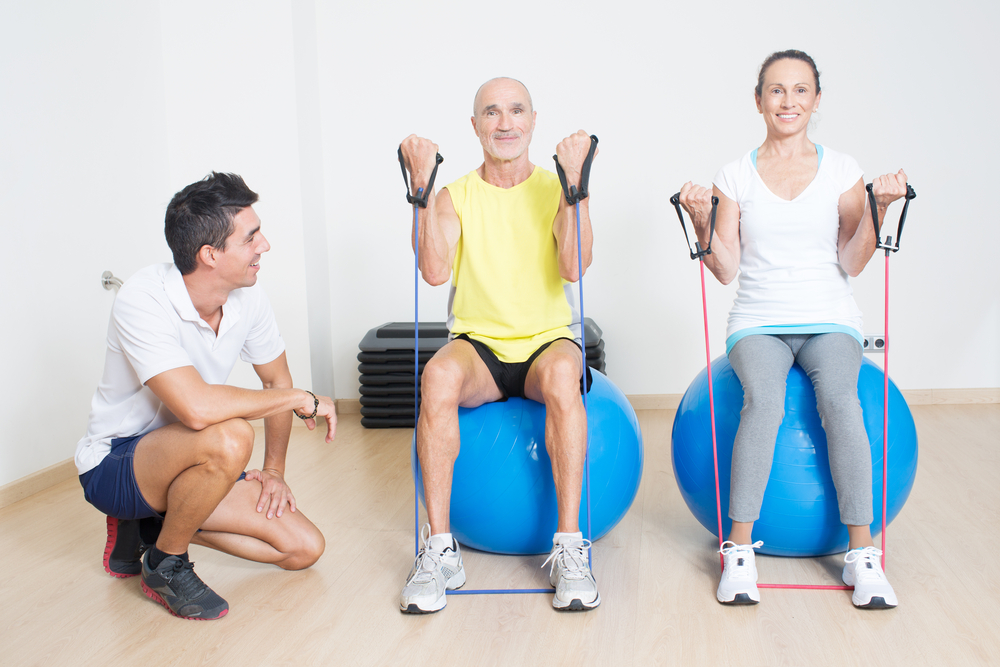
Exercise therapy is a low cost intervention and may be an alternative to medication to manage depressive symptoms. Interestingly a recent review of systematic reviews looked at the effects of exercise on depressive symptoms in adults with arthritis and other rheumatic diseases (Kelley et al, 2014). Let’s see what they found.

Methods
The authors searched nine electronic databases to July 2013 for systematic reviews with meta-analysis of randomized controlled trials.
They looked for studies of adults 18 years and older with a doctor’s diagnosis of arthritis (osteoarthritis, rheumatoid arthritis, fibromyalgia and systemic lupus erythematous) and an aerobic and strength training intervention that lasted a minimum of 4 weeks.
Methodological quality of the included studies was evaluated using the Assessment of Multiple Systematic Reviews (AMSTAR).
Results
- No studies in patients with osteoarthritis, rheumatoid arthritis and systemic lupus erythematous were found
- Two meta-analyses in patients with fibromyalgia involving 1,164 individuals (610 exercise and 551 control) were included.
- Reductions in depressive symptoms within the exercise group were found in both meta-analysis:
- Standard Mean Difference (SMD) -0.61 (95% CI -0.99 to -0.23, p=0.002)
- SMD -0.32 (95% CI -0.53 to -0.12, p=0.002)
- Reductions in depressive symptoms within the exercise group were found in both meta-analysis:
- The AMSTAR methodological quality of the two reviews was high at 91% and 82%
- The number needed to treat in each meta-analysis was 6 and 9 with an estimated 0.83 and 0.56 million US people with fibromyalgia potentially benefitting
Conclusions
The authors concluded:
Exercise improves depressive symptoms in adults with fibromyalgia.
The Musculoskeletal Elf’s view
 So it appears that exercise is a viable option for managing depressive symptoms in people with fibromyalgia. However, there were no reviews evaluating the effectiveness of exercise for osteoarthritis, rheumatoid arthritis and systemic lupus erythematous.
This review used the AMSTAR checklist that was developed to help users differentiate between systematic reviews, focusing on their methodological quality and expert consensus and to facilitate the development of high-quality reviews. There are 11 questions with the following responses; yes, no, can’t answer and not applicable. The website calculates the methodological quality (percentage). The AMSTAR has been found to have good inter-rater reliability (k=0.70) and good intra class correlation coefficient (0.84).
What do you think?
- Do you encourage patients with fibromyalgia to use exercise to manage their depressive symptoms?
- What method of exercise (i.e. aerobic or strength training) do you find most effective?
- What prescriptions (i.e. intensity, duration and exercise modality) do you find the most effective when working with fibromyalgia patients?
Send us your views on this blog and become part of the ever expanding Musculoskeletal Elf community. Post your comment below, or get in touch via social media (Facebook, Twitter, LinkedIn, Google+).
Links
Kelley GA, Kelley KS. Effects of exercise on depressive symptoms in adults with arthritis and other rheumatic disease: a systematic review of meta-analyses. BMC Musculoskelet Disord. 2014 Apr 7;15:121. doi: 10.1186/1471-2474-15-121.





PhysioSolution
11 years agoValMurray13
11 years agoMSK_Elf
11 years agoMSK_Elf
11 years agoichangemymove
11 years agoCochraneMSK
11 years agoMSK_Elf
11 years agoJoanneYounge
11 years ago121Therapy
11 years agoMental_Elf
11 years agoMSK_Elf
11 years agoOTBeth131
11 years agoSportsInjurySco
11 years agoCCareStandards
11 years ago121Therapy
11 years agoZincfreud
11 years agoMental_Elf
11 years agoHHLibService
11 years agosent_slovenija
11 years agoOrganisedPauper
11 years agoSportsInjurySco
11 years agoPrivate_Therapy
11 years agotoptorty
11 years agoMental_Elf
11 years agoProfTraceyHowe
11 years agoMSK_Elf
11 years ago121Therapy
11 years ago121Therapy
11 years agoMental_Elf
11 years agoSportsInjurySco
11 years agoichangemymove
11 years agoMSK_Elf
11 years agoichangemymove
11 years agoProfTraceyHowe
11 years agoSportsInjurySco
11 years agoSportsInjurySco
11 years agoaitortoo
11 years agoMSK_Elf
11 years agoFatimahrada
11 years ago