

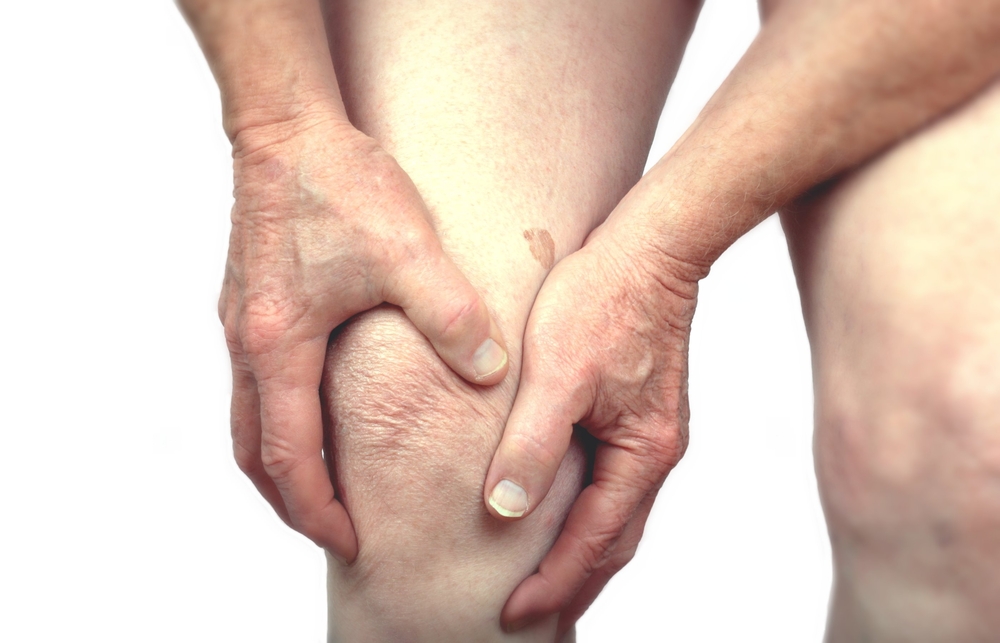

The potential benefits and harm of exercise on the knee is a hotly debated topic. Elves have encountered patients who believe that exercise causes harm to their knees and we have published several interesting blogs previously on osteoarthritis.
A Cochrane systematic review was undertaken specifically looking at any improvements of pain, function and quality of life of these patients.
This blog reports on the summary of that Cochrane review, which was published in the British Journal of Sports Medicine last year.
Methods
They searched the literature for randomised controlled trials in the English language up to May 2013 in the following databases: MEDLINE, EMBASE, CINAHL, PEDro and the Cochrane Central Register of Controlled Trials.
Subjects were given an established diagnosis of knee osteoarthritis according to American College of Rheumatology (ACR) criteria.
Studies compared a group undertaking some form of land-based therapeutic exercise with a non-exercise group. Any land-based non-perioperative therapeutic exercise regimens aimed at relieving the symptoms of osteoarthritis, regardless of content, duration, frequency or intensity were included.
Standardised mean differences (SMDs) were combined using a random-effects model. Subgroup analyses were conducted to determine the sustainability of treatment effects, as well as to determine if the size of treatment effect was mediated by exercise content, number of face to face sessions or method of treatment delivery.
Results
54 trials were included.
Marked variability was noted with regard to study participants recruited and timing of outcomes assessed. Most studies recruited between 50 and 150 participants.
Immediately post treatment
- Pooled results of 44 studies showed statistically significant benefit of exercise on pain (SMD 0.49, 95% CI 0.39 to 0.59)
- Pooled results of 44 studies showed statistically significant benefit of exercise on physical function (SMD 0.52, 95% CI 0.39 to 0.64)
- Pooled results of 13 studies showed statistically significant benefit of exercise on quality of life (SMD 0.28, 95% CI 0.51 to 0.40)
2-6 months post treatment
- Pooled results of 12 studies showed a statistically significant benefit of exercise on pain (SMD 0.24, 95% CI 0.14 to 0.35)
- Pooled results of 10 studies showed a statistically significant benefit of exercise on physical function (MD 0.15 95% CI 0.04 to 0.26)
More than 6 months post treatment
- Pooled results of 6 studies showed non-significant effect on pain was found (SMD 0.08, 95% CI 0.15 to 0.30)
- Pooled results of 7 studies showed statistically significant benefit on physical function (SMD 0.20, 95% CI 0.08 to 0.32)
While each time of exercise (quadriceps strengthening only, lower limb strengthening, combination strengthening and aerobic exercise, walking programmes and ‘others’) reduced pain and improved physical function, there was no statistical difference between exercise training types.
Conclusions
The Cochrane reviewers concluded:
High-quality evidence suggests that land based therapeutic exercise provides benefit in terms of reduced knee pain and improved quality of life and moderate quality evidence of improved physical function among people with knee osteoarthritis.
Strengths and limitations
This is a well conducted systematic review, taking into account selection bias and attrition bias.
However, only English language papers were included, which could account for some selection bias from the outset.
Although the variety in content of exercise programmes, timing of exercise and timing of follow up and delivery mode has been taken into account, there remains considerable study heterogeneity. Also prescribed dosage of exercise may not be translated into actual dosage, as it is dependent on patient compliance and efforts during the exercise, which was not measured.
The Musculoskeletal Elf’s view
 Exercise is not advocated as a treatment for knee osteoarthritis as much as it should be (Smink et al, 2014).
This systematic review confirms that exercise improves pain, function and quality of life in those with knee osteoarthritis.
Improvement of these modalities seems to occur in strengthening or aerobic exercises, which highlights that any exercise programme performed regularly can help our patients with knee osteoarthritis.
It would be interesting to look at long term sustainable effects of exercise on patients with knee osteoarthritis.

Links
Primary paper
Fransen M, McConnell S, Harmer AR, Van der Esch M, Simic M, Bennell KL. (2015) Exercise for osteoarthritis of the knee: a Cochrane systematic review. Br J Sports Med (49) 1554-1557. [Abstract]
Other references
Smink AJ et al. (2014). Health care use of patients with osteoarthritis of the hip and knee after implementation of a stepped-care strategy: an observational study. Arthritis Care Res 66(6):817-27. [Abstract]




ALIYA AYUB
2 years agoTom Deacon
9 years agoProfKateDunn
10 years agoCSPLondon
10 years agoescape_pain
10 years agoYegs Gounden
10 years agoRamblingAMT
10 years agoDocteurLombardo
10 years agoyogaincheshire
10 years agoGavin Caves
10 years agomijnsportarts
10 years agoLPCNorthantsMK
10 years agoMSK_Elf
10 years agopmr_usg
10 years agoFiona Downie
10 years agoAlison Kirkman
10 years agoFysioVelp
10 years agoKasperJanssen
10 years agoPhysioTrain
10 years agokarenmayphysio
10 years agoJo_KeeleIPCHS
10 years agoUCLanODP
10 years agoCochraneCAM
10 years agoMSK_Elf
10 years agonikmarks
10 years agoPhysioUniverse
10 years agoRichardLehman1
10 years agoUKCochraneCentr
10 years agoJo Morris
10 years agoadvisor_fitness
10 years agojbphysio2
10 years agochrisnorrispt
10 years agoMSK_Elf
10 years agoVictoria Wells
10 years agoThe Musculoskeletal Elf
10 years agoJill Seenan
10 years agoGillian Grant
10 years agofelly500
10 years agoCumbriaPhysio
10 years agosarahmortonnhs
10 years ago